How to Transplant Common reed?
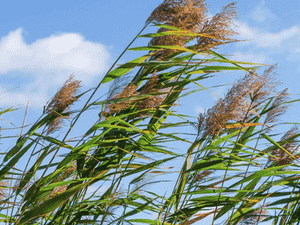
To successfully relocate common reed, the ideal period is from early to mid-spring, when rising temperatures encourage development. Choose a site that receives abundant sunlight and has damp ground. Bear in mind that patience is crucial when moving fragile common reed plants!
What Preparations are Needed Before Transplanting Common Reed?
What is the Ideal Time for Transplanting Common Reed?
For optimal common reed performance, it's best to relocate them from late winter to mid-spring. This timeframe allows for proper root establishment and development. Transplanting during this period minimizes shock and gives common reed ample time to thrive before summer's heat. Your common reed plant will gain a head start and exhibit robust growth.
How Much Space Should You Leave Between Common Reed Plants?
To provide your common reed with sufficient room to grow, aim for a spacing of 3-6 feet (0.9-1.8 meters) between plants. This ensures their root systems have adequate space to expand and mature effectively.
What is the Best Soil Mix for Common Reed Transplanting?
When transplanting common reed, prepare well-draining soil that includes a blend of loam, clay, and organic matter. Incorporate a base fertilizer rich in phosphorus and potassium to encourage strong root development and overall plant vitality.
Where Should You Relocate Your Common Reed?
When selecting a new site for your common reed, choose an area that receives full sun or partial shade. These sun-loving plants will flourish with ample direct sunlight throughout the day.
What Equipments Should You Prepare Before Transplantation Common Reed?
Gardening Gloves
To safeguard your hands while handling soil and the common reed.
Shovel or Spade
For excavating the plant from its original spot and preparing the new planting site.
Hand Trowel
To assist with delicate removal and planting tasks, especially for smaller common reed specimens.
Bucket or Wheelbarrow
Useful for moving the common reed from its initial location to the new planting area.
Pruning Shears
To trim any damaged or excessively tall stems of the common reed.
Watering Can or Hose
For hydrating the common reed following the transplanting process.
How Do You Remove Common Reed from the Soil?
How Do You Remove Common Reed from the Soil?
From Ground: First, use your shovel or spade to dig a wide circle around the common reed, leaving enough space to avoid root damage. Once a sufficient circle is dug, excavate further beneath the plant, being careful to keep the root ball intact. Gently lift the common reed and place it into your bucket or wheelbarrow.From Pot: Begin by watering the common reed to moisten the soil. Turn the pot on its side, grasp the common reed near its base, and gently pull the plant. If it resists, tap the pot's bottom or run a knife around the rim to loosen it. Once the plant slides out, handle it carefully to ensure the root ball remains undamaged.From Seedling Tray: Using a small trowel or spoon, carefully dig around the base of the common reed to lift it. Exercise extreme caution to prevent harm to the delicate young roots.
Step-by-Step Guide for Transplanting Common Reed
Digging Hole
Using your shovel, excavate a hole at the new site that is twice the width and equal in depth to the common reed's root ball.
Preparing the common reed
If any roots are damaged or broken, use your pruning shears to trim them. This promotes the growth of healthier roots. Similarly, if the plant is too tall or has damaged stems, prune them as well.
Planting
Position the common reed in the hole, ensuring it is at the same soil level as it was previously growing. Gently backfill the hole with soil, taking care not to overly compact the soil around the roots.
Watering
Thoroughly water the common reed at its base immediately after transplanting. The soil should be moist, but not waterlogged.
How Do You Care For Common Reed After Transplanting?
Watering
During the initial weeks post-transplant, ensure the soil around the common reed remains consistently moist. This aids in the establishment of new roots.
Mulching
Apply a layer of organic mulch around the common reed, keeping it away from the stems, to help retain moisture and control weeds.
Monitoring
Observing the common reed after transplanting is crucial. Watch for signs of shock such as wilting or yellowing leaves. If these symptoms persist, additional care may be needed.
Pruning
Regularly remove any weak or dead stems from the common reed to encourage healthy, vigorous growth.
Troubleshooting Common Issues with Common Reed Transplantation.
When is the ideal time to transplant common reed?
The optimal period to transplant common reed is from early spring to mid-spring. This allows the plant ample time to establish itself before its active growth phase.
What should be the appropriate distance between common reed plants while transplanting?
The recommended spacing between common reed plants should be approximately 3-6 feet (0.9-1.8 meters). This prevents overcrowding and supports healthy development.
How should I prepare the soil to transplant common reed?
Ensure the soil is well-drained, rich in nutrients, and loose. It's beneficial to incorporate some organic matter or compost to enhance soil health and fertility.
How deep should I plant common reed while transplanting?
You should plant common reed at the same soil depth it was growing previously. The root crown should be level with or slightly below the soil surface.
What steps should I take if my transplanted common reed seems weak and poorly-established?
Ensure adequate water supply and proper drainage. Adjust the surrounding soil as needed to stabilize the plant. Consider using a support stake if the plant lacks stability.
What are the signs that common reed has been transplanted successfully?
Successful transplantation is typically indicated by new, green growth on common reed. Further signs include sturdy stems and robust root development.
Do I need to fertilize common reed immediately after transplanting?
While not essential, applying a light, balanced fertilizer after transplanting can help common reed adapt to its new environment and promote growth.
What's the best way to water common reed after transplanting?
Water common reed thoroughly after transplanting, saturating the root zone. Afterward, maintain consistently moist soil but avoid waterlogging, which can lead to root rot.
Can I transplant common reed in other seasons apart from spring?
Although early to mid-spring is advised, common reed can also be transplanted in early fall. However, avoid transplanting in summer, as the heat can cause stress.
How should I care for common reed in the weeks post-transplanting?
Ensure common reed is watered regularly and protected from harsh weather. Monitor for signs of pests or diseases, and keep competing weeds away from the planting area.



