How to Transplant Golden bamboo?
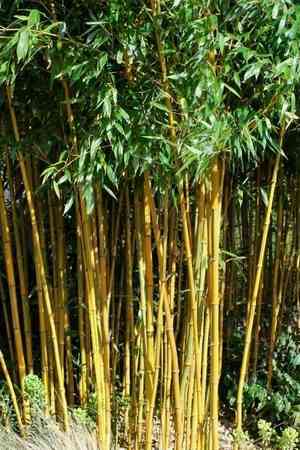
The ideal period for relocating golden bamboo is in the initial to middle part of spring, or from the latter portion of autumn into early winter, since these periods facilitate superior root development. Verify that the new location possesses soil with good drainage and receives sunlight ranging from partial to full. Manage golden bamboo with caution to avoid harming its roots while moving it.
What Preparations are Needed Before Transplanting Golden Bamboo?
What is the Ideal Time for Transplanting Golden Bamboo?
Relocate golden bamboo during early to mid-spring, or as winter transitions into early winter. This timeframe is optimal because golden bamboo thrives in mild, consistent temperatures, aiding root development before summer's heat or winter's chill. Transplanting in these seasons allows golden bamboo ample time to recover and adapt to its new surroundings, promoting robust and vigorous growth.
How Much Space Should You Leave Between Golden Bamboo Plants?
When moving golden bamboo, ensure ample room for expansion. Aim for approximately 5 feet (1.5 meters) of separation. This spacing will enable unrestricted growth and the development of a strong root system.
What is the Best Soil Mix for Golden Bamboo Transplanting?
For flourishing golden bamboo, prepare a soil blend consisting of well-draining loamy or sandy soil, with a slightly acidic pH (5.5 to 7.0). For peak performance, incorporate an organic, slow-release fertilizer to fortify the foundation.
Where Should You Relocate Your Golden Bamboo?
Select a sunny location for your golden bamboo, as they thrive with abundant sunlight! A spot receiving at least 6 hours of direct sun daily would be perfect. They can endure some partial shade but may exhibit slower growth.
What Equipments Should You Prepare Before Transplantation Golden Bamboo?
Gardening Gloves
To safeguard your hands while handling soil and plants.
Shovel or Spade
For excavating the golden bamboo and creating a planting cavity.
Pruning Shears or Scissors
To trim any lifeless or damaged roots and branches.
A Bucket or Wheelbarrow
To move the golden bamboo plant to its new spot.
Stakes and Ties
To support the golden bamboo plant if necessary post-transplant.
Organic Compost
To enrich the soil in the planting hole and supply nutrients.
Mulch
To assist in retaining soil moisture and inhibiting weed growth.
How Do You Remove Golden Bamboo from the Soil?
How Do You Remove Golden Bamboo from the Soil?
From Ground: First, hydrate the golden bamboo plant to moisten the earth. Next, excavate a broad trench around the plant using a shovel or spade, ensuring the plant's root ball remains intact. Carefully work the spade beneath the root ball to extract the plant from its original position.From Pot: If the golden bamboo plant resides in a pot, water it thoroughly before relocation. Lay the pot on its side and gently slide out the plant, striving to keep the root ball undisturbed.From Seedling Tray: When moving golden bamboo from a seedling tray, water the seedlings. Then, carefully loosen the soil around the seedling with a small tool and lift it from the tray by the stem's base, preserving the roots.
Step-by-Step Guide for Transplanting Golden Bamboo
Digging Planting Hole
Excavate a hole twice the width and slightly deeper than the golden bamboo plant's root ball. Loosen the soil at the bottom of the hole and blend in some organic compost.
Placing Plant
Carefully position the golden bamboo plant in the planting hole, ensuring the top of the root ball is slightly elevated above the surrounding soil level.
Backfill
Refill the hole with soil mixed with organic compost, making sure no air pockets remain. Gently firm down the soil around the root ball.
Staking (if needed)
For larger golden bamboo plants or if situated in a breezy area, utilize stakes and ties to offer support and prevent the plant from falling over.
Watering
Thoroughly irrigate the golden bamboo plant to help settle the soil and eliminate any air pockets.
Mulching
Apply a layer of mulch around the golden bamboo plant, keeping it a few inches away from the stem to prevent decay.
How Do You Care For Golden Bamboo After Transplanting?
Watering
During the initial weeks post-transplant, water the golden bamboo plant regularly to aid in establishing robust roots. Decrease watering frequency as the plant becomes settled.
Pruning
Trim any dead or damaged branches to encourage healthy development. Regularly remove any new shoots emerging from the soil around the main golden bamboo plant to manage its spread.
Pest Control
Monitor for pests and address any issues promptly to prevent harm to the golden bamboo plant.
Fertilizing
Once the golden bamboo plant is established in its new location, apply a slow-release fertilizer in the spring to support its growth.
Troubleshooting Common Issues with Golden Bamboo Transplantation.
When's the best time to transplant golden bamboo?
The optimal period for relocating golden bamboo is from early spring through mid-spring, or from late autumn into the beginning of winter.
How much space should be left between each golden bamboo while transplanting?
For ideal development, maintain a separation of approximately 5 feet (1.52 meters) between each golden bamboo plant when you move them.
Does golden bamboo need a specific type of soil for successful transplanting?
Golden bamboo is not overly particular about soil type. However, it thrives in well-draining soil. If your soil is heavy clay or sandy, enrich it with organic matter.
What's the ideal depth to transplant golden bamboo?
Plant golden bamboo so the top of its root ball is flush with or slightly above the ground surface. This typically means about 2-3 inches (5-7.5cm) deep.
What should I do if my transplanted golden bamboo shows signs of wilting or yellowing?
These indicate stress! Ensure it receives adequate, but not excessive, water. Also, confirm it's not exposed to intense, direct sunlight all day.
How much sunlight does golden bamboo need after being transplanted?
Golden bamboo prefers partial shade to full sun. After transplanting, limit exposure to direct sunlight for a few days to help it acclimate to the new spot.
What's the best way to water golden bamboo after it is transplanted?
Following golden bamboo transplantation, water deeply, ensuring moisture reaches the root level. Afterward, keep the soil consistently moist, but not waterlogged.
How can I ensure my golden bamboo has established well after transplanting?
Provide diligent care with proper watering and adjusted sunlight. Then, observe for healthy new growth as an indicator that the plant has successfully settled.
Can I transplant golden bamboo in containers?
Certainly! Just ensure the container is sufficiently large to accommodate future growth of golden bamboo. The container must also possess good drainage.
How long does it typically take for golden bamboo to establish after being transplanted?
With appropriate care, golden bamboo generally requires a few weeks to show signs of settling in. Be patient and allow it time to adjust.



