How to Transplant Japanese pieris?
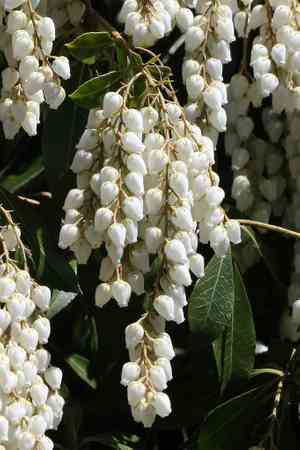
For Japanese pieris, the perfect period for relocation is in the pleasant warmth of late spring through early summer. Select a location with partial shade and soil that is well-draining and acidic to ensure peak development. Carefully separate the root mass prior to transplanting to foster robust root establishment.
What Preparations are Needed Before Transplanting Japanese Pieris?
What is the Ideal Time for Transplanting Japanese Pieris?
The best time to move japanese pieris is during the pleasant period from late spring to early summer. This timeframe provides the plant with ample warmth and sunlight, greatly encouraging root system development and minimizing transplant shock. Well-established japanese pieris can then access more nutrients and space, leading to a healthier, more vibrant garden. Your garden will be grateful!
How Much Space Should You Leave Between Japanese Pieris Plants?
When relocating japanese pieris, it's best to allow each plant sufficient room to grow. Aim for a separation of approximately 3-5 feet (0.9-1.5 meters). This will ensure they have adequate space to flourish and create an attractive display in your garden.
What is the Best Soil Mix for Japanese Pieris Transplanting?
For japanese pieris, proper soil preparation is crucial. Choose soil that drains well with a slightly acidic pH of 5.0-6.0. Incorporate a good amount of organic material, such as compost, and add a slow-release granular fertilizer to supply nutrients for robust growth.
Where Should You Relocate Your Japanese Pieris?
Select an appropriate spot for japanese pieris where it will receive partial shade to full sun exposure. These plants can tolerate some morning sun, but prefer afternoon shade, especially in hotter climates. This will help maintain the vibrancy of their delicate foliage.
What Equipments Should You Prepare Before Transplantation Japanese Pieris?
Spade or Shovel
To excavate and prepare the new planting site for japanese pieris, and to assist in its removal from the original spot.
Gardening Gloves
To safeguard your hands while handling the soil and the plant.
Pruning Shears
To trim the japanese pieris if necessary for a safe relocation.
Watering Can
To hydrate the japanese pieris after transplanting to help it settle into its new environment.
Organic Compost
To enrich the planting hole and support the japanese pieris's development.
Mulch
To help shield the japanese pieris from temperature fluctuations and retain soil moisture.
How Do You Remove Japanese Pieris from the Soil?
How Do You Remove Japanese Pieris from the Soil?
From Ground: Begin by thoroughly watering the japanese pieris to soften the surrounding earth. Using your spade or shovel, start digging a trench around the plant at a safe distance to avoid damaging the root ball. Carefully work the spade beneath the root ball, lift it gently, ensuring it remains intact. After removal, inspect the plant for any root damage.From Pot: Water the japanese pieris enough to keep the soil moist. Then, place your hand over the top of the plant with the stem between your fingers and invert the pot. Tap gently to release the plant. If it doesn't come out easily, you might need to cut the container away.From Seedling Tray: Water the plants in the tray. Once hydrated, gently push the japanese pieris seedling from below the tray to avoid breaking the stem, and carefully lift it out of the cell, preserving as much of the root ball as possible.
Step-by-Step Guide for Transplanting Japanese Pieris
Hole Preparation
When you're ready to transplant, dig a hole that is twice as wide and the same depth as the japanese pieris's root ball. Incorporate compost into the bottom of the hole to enrich the soil where the roots will grow. Making the hole larger than the root ball is crucial for encouraging root expansion.
Transplanting
Place the japanese pieris into the hole, ensuring the top of the root ball is level with the surrounding soil to prevent it from drying out or suffocating from being planted too deeply.
Backfilling
Fill in around the japanese pieris with the remaining soil, but avoid compacting it tightly. Roots require air as much as they need water and nutrients.
Watering
Water the japanese pieris thoroughly after it's planted to settle the soil around the root ball.
Mulching
Apply a layer of mulch around the japanese pieris but avoid contact with the stem to prevent rot.
How Do You Care For Japanese Pieris After Transplanting?
Watering
After transplanting, it's important to keep the japanese pieris consistently moist for a few weeks to help it establish in its new location. Excessive water can be detrimental, so ensure the soil drains properly and doesn't remain waterlogged.
Pruning
Trim any wilted or dead parts of the japanese pieris after transplanting to help direct energy towards new growth.
Pest and Disease Monitoring
Keep an eye out for any potential pest infestations or signs of diseases in japanese pieris. Use appropriate organic pest control methods if required.
Monitor Growth
Observe the japanese pierisâs growth and overall health. A well-transplanted japanese pieris should begin to show signs of new growth within a week or two.
Troubleshooting Common Issues with Japanese Pieris Transplantation.
What's the ideal time for transplanting the japanese pieris?
Relocate japanese pieris during the period between late spring and early summer. This timing promotes optimal growth.
How much should japanese pieris be spaced apart when transplanting?
Optimal spacing for japanese pieris is between 3 and 5 feet (0.9 to 1.5 meters). This prevents overcrowding, allowing each plant to flourish.
Do I need to water japanese pieris right after transplanting?
Absolutely! It's crucial to thoroughly water japanese pieris immediately after transplanting to help it settle in and recover from the shock.
Is it necessary to fertilize japanese pieris during transplanting?
While not essential, enriching the soil with a slow-release fertilizer during transplant can boost japanese pieris's growth and health.
Can japanese pieris withstand full sunlight exposure after transplanting?
Japanese pieris prefers a mix of sun and shade. Too much direct sunlight exposure after transplanting can stress the plant.
What's the optimal depth for transplanting japanese pieris?
When transplanting japanese pieris, the hole must be as deep as the root ball but twice as wide. This facilitates root extension.
How often should I water the japanese pieris after transplanting?
Water japanese pieris consistently, especially for the first few weeks. Keep the soil moist but avoid water-logging, as this can harm the plant.
How to deal with yellowing leaves on my transplanted japanese pieris?
Yellowing leaves could indicate overwatering or poor drainage. Monitor watering practices and ensure the plant has good drainage.
My transplanted japanese pieris seems wilting, what should I do?
Wilting might suggest transplant shock. Keep the soil moist, maintain partial shade, and avoid extremes of temperatures to help japanese pieris recover.
Can I prune japanese pieris just after transplanting?
It's wise to hold off on pruning right after transplanting. Give japanese pieris some weeks to settle and establish itself in the new location.



