How to Transplant Aluminum plant?
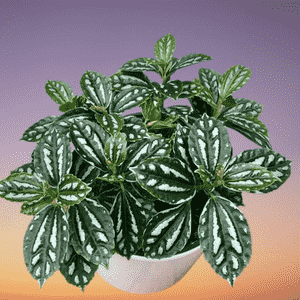
The ideal window for relocating aluminum plant is from early to mid-spring, as this timeframe facilitates robust root development. Select a site with good drainage and either filtered or partial shade for aluminum plant to flourish. Provide sufficient room for subsequent expansion and gently manage its fragile root system.
What Preparations are Needed Before Transplanting Aluminum Plant?
What is the Ideal Time for Transplanting Aluminum Plant?
The optimal period for relocating aluminum plant spans from early spring to mid-spring. This timeframe promotes vigorous development, leveraging the mild climate and spring rainfall. Moving aluminum plant during this interval ensures rapid root establishment in the moist, nutrient-rich spring environment. Shifting aluminum plant at this stage leads to a robust, thriving specimen, ready to display its appealing, metallic luster throughout the summer.
How Much Space Should You Leave Between Aluminum Plant Plants?
When transplanting aluminum plant, it's advisable to provide ample room for growth. Target a spacing of 12-18 inches (30-45 cm) between each plant. This will guarantee sufficient area for their roots to expand and for them to flourish.
What is the Best Soil Mix for Aluminum Plant Transplanting?
To create the perfect soil for aluminum plant, combine well-draining potting mix with perlite or vermiculite. Incorporate a slow-release fertilizer to supply nutrients that will last for the entire growing season. This blend will give aluminum plant a happy and healthy beginning.
Where Should You Relocate Your Aluminum Plant?
When selecting a new home for aluminum plant, choose a spot that receives bright, indirect sunlight. Excessive direct sun can scorch the leaves, so finding the right balance is crucial for aluminum plant to grow strong and vibrant.
What Equipments Should You Prepare Before Transplantation Aluminum Plant?
Gardening Gloves
To safeguard your hands while handling soil and plants.
Trowel
For digging small holes when transplanting aluminum plant cuttings or seedlings.
Shovel or Spade
Used for excavating larger holes and lifting the root ball.
Watering Can with Fine Nozzle
To gently irrigate the plant without causing harm.
Garden Pruner
For trimming and removing any damaged or dead plant parts.
Organic Compost
To supply essential nutrients and enhance soil structure.
Mulch
To help retain soil moisture and suppress weeds.
How Do You Remove Aluminum Plant from the Soil?
How Do You Remove Aluminum Plant from the Soil?
From Ground: First, hydrate the aluminum plant to moisten the soil. Next, excavate a wide trench around the plant using a shovel or spade, ensuring the plant's root ball remains intact. Carefully work the spade beneath the root ball to lift the plant from its original spot. Hold the plant's base to prevent damage to stems and leaves.From Pot: Water the aluminum plant before extracting it from its container. Gently squeeze the pot's sides to loosen the soil and roots. Invert the pot, supporting the plant with your other hand, and lightly tap the pot's bottom until the plant slides out. Avoid pulling the plant by its stems or leaves. If roots are tightly bound, gently loosen them with a trowel or your hands.From Seedling Tray: In preparation for transplanting aluminum plant, thoroughly water the seedlings. Using a small spoon or trowel, carefully extract the chosen seedling, ensuring each retains as much soil and roots as possible. Hold the seedling by its leaves, not its delicate stem.
Step-by-Step Guide for Transplanting Aluminum Plant
Site Preparation
Cultivate the soil in the chosen area to a depth of approximately 8-12 inches, removing rocks or large debris and breaking up any significant clumps.
Organic Material Incorporation
Mix in a generous quantity of organic compost to enhance the soil's nutrient content and structure.
Dig a Hole
Using a trowel or shovel, excavate a hole twice as wide and the same depth as the aluminum plant's root ball or container.
Plant Placement
Carefully position the aluminum plant into the hole, ensuring the top of the root ball is level with the surrounding soil.
Backfill
Refill the hole with the excavated soil, and gently press the soil around the roots to eliminate any air pockets.
Water
Thoroughly water the aluminum plant to help settle the soil around the roots. Be sure to water the plant gently to avoid causing damage.
Mulching
Apply a layer of mulch around the plant's base, leaving a small gap around the stem to prevent rot.
How Do You Care For Aluminum Plant After Transplanting?
Watering
Consistently monitor the soil around the aluminum plant, ensuring it stays uniformly moist, but not waterlogged, for the initial 2-4 weeks post-transplant to aid in strong root establishment. Adjust irrigation based on weather conditions.
Pruning
Trim any damaged or dead leaves or stems, encouraging new growth and maintaining a healthy appearance.
Fertilizing
Nourish the aluminum plant with a slow-release fertilizer, following package directions, approximately one month after transplanting to support its development.
Disease & Pest Inspection
Regularly check the plant for any indications of disease or pests and treat them with organic or chemical remedies as needed.
Troubleshooting Common Issues with Aluminum Plant Transplantation.
When is the best time of the year to transplant aluminum plant?
The optimal period for relocation is from the beginning of spring to its midpoint. Essentially, aim for early to mid-spring.
What kind of spacing should I maintain while transplanting aluminum plant?
When transplanting aluminum plant, maintain a gap of 12-18 inches (30-45 cm) between each plant. This ensures they receive adequate sunlight and room to grow.
What should I do if the leaves of my aluminum plant start to drop after transplanting?
If aluminum plant's leaves begin to fall after transplant, it's likely due to stress. Keep the plant in a shaded, calm environment with slightly higher humidity to aid its recovery.
What type of soil is ideal for transplanting aluminum plant?
Loamy, well-draining soil with a slightly acidic pH is perfect for aluminum plant. This ensures proper nutrient absorption and prevents root rot.
What's the best depth for planting aluminum plant during transplanting?
Aim for the same depth as the original pot. Do not bury the stem, as it might lead to rot. Adjust soil levels to achieve this.
How do I ensure that the roots of aluminum plant don't get damaged while transplanting?
Be gentle when removing aluminum plant from its current container. Loosen the soil around the edges with a blunt knife or hand spade, then carefully lift the plant.
Why is my recently transplanted aluminum plant wilting?
Wilting is a reaction to shock and environmental change. Ensure the plant is adequately watered and placed in a partially shaded area until it recovers.
How often should I water the aluminum plant after transplanting?
Keep the soil consistently moist, but avoid overwatering. Typically, watering aluminum plant about once a week should suffice, but adjust based on weather conditions.
Should I use any specific type of container for transplanting aluminum plant?
A container with good drainage is essential for aluminum plant. A pot slightly larger than the previous one will provide the plant with better growth opportunities.
Is there anything special I should do immediately after transplanting aluminum plant?
After transplanting, thoroughly water your aluminum plant and place it in a location with indirect light. Over the next few days, monitor it closely for signs of stress.



