How to Transplant Bunge's pine?
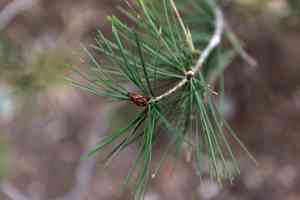
The prime period, usually during the summer months, is perfect for relocating bunge's pine, facilitating excellent root development. Opt for a brightly lit area featuring soil that drains effectively. Should available area be limited, pick a site that can comfortably accommodate the bunge's pine's full-grown dimensions.
What Preparations are Needed Before Transplanting Bunge's Pine?
What is the Ideal Time for Transplanting Bunge's Pine?
Relocate bunge's pine when the summer sun is mild, allowing for gentle root development without the stress of intense heat. This timing encourages robust root establishment, ensuring a flourishing bunge's pine.
How Much Space Should You Leave Between Bunge's Pine Plants?
When preparing to transplant your bunge's pine, ensure a spacing of 15-20 feet (4.5-6 meters) between them. This provides each plant ample room to grow and develop without crowding. A mature bunge's pine requires its space to thrive!
What is the Best Soil Mix for Bunge's Pine Transplanting?
For the bunge's pine, select well-draining soil. It will flourish in a blend of loamy and sandy soils. Prepare your foundation by incorporating some slow-release granular fertilizer into your soil. This will enrich your garden, setting your bunge's pine up for success.
Where Should You Relocate Your Bunge's Pine?
Choose a site for your bunge's pine that receives ample sunlight. The bunge's pine appreciates sun, but it can also endure some shade. Aim for a spot where it can enjoy morning light and some afternoon shade.
What Equipments Should You Prepare Before Transplantation Bunge's Pine?
Garden Shovel or Spade
For digging the hole and lifting the plant.
Gardening Gloves
To safeguard your hands while handling soil and the plant.
Garden Fork
To loosen the soil surrounding the bunge's pine.
Wheelbarrow or Container
To move the bunge's pine from its original spot to the new location.
Watering Can or Hose
To moisten the soil before extracting bunge's pine and to water it after planting.
How Do You Remove Bunge's Pine from the Soil?
How Do You Remove Bunge's Pine from the Soil?
From Ground: Start by watering the area around the bunge's pine to make the soil easier to manage. Using a garden fork, loosen the soil around the bunge's pine, being careful not to harm its roots. Once the soil is loose, use your spade to dig a deep, wide hole around the bunge's pine, ensuring a generous amount of soil remains around its roots. Slowly and gently lift the bunge's pine from the hole, taking care not to damage its root system.From Pot: Water the bunge's pine thoroughly to facilitate the extraction process. Turn the pot sideways, use your hand to support the bunge's pine while you gently pull or tap it out. Retain as much original soil as possible on the plant's root ball.From Seedling Tray: Gently squeeze the bottom of the cell or container the bunge's pine is in to free the roots. Be sure to handle the seedlings by their leaves to avoid damaging their tiny, delicate stems.
Step-by-Step Guide for Transplanting Bunge's Pine
Preparation
Ensure the new planting site has adequate drainage and sufficient space for bunge's pine to reach its mature size.
Dig a Hole
The hole should be twice the width and equal to the depth of the bunge's pine's root ball.
Prepare the Plant
Water the bunge's pine thoroughly in its original location and let it sit for a few hours before you remove it.
Placement
Carefully position the bunge's pine in the hole, ensuring itâs not planted deeper than it was in its original location. Backfill the hole with soil, making sure to gently firm the soil around the base of the bunge's pine.
Watering
Water the bunge's pine immediately after planting. The water will help settle the soil around the plant's roots.
How Do You Care For Bunge's Pine After Transplanting?
Watering
For the initial few weeks, ensure the bunge's pine receives sufficient water and the soil remains consistently moist but not waterlogged. Regular watering aids the plant in establishing strong roots.
Monitoring
Keep a close watch on the bunge's pine for signs of shock or stress, such as wilting leaves or a lack of new growth. In such cases, consult a local nursery or extension service for guidance.
Mulching
Apply a layer of mulch around the base of the bunge's pine to help retain moisture, suppress weeds, and enrich the soil with nutrients.
Troubleshooting Common Issues with Bunge's Pine Transplantation.
What is the best time to transplant bunge's pine?
The optimal period to transplant bunge's pine is from late spring to early summer. These seasons offer bunge's pine the most favorable environmental conditions for relocation.
How much space should I leave between each bunge's pine when transplanting?
To ensure healthy development, maintain ample spacing between each bunge's pine, ideally 15-20 feet (4.57-6.1m). This allows the roots plenty of room to expand.
Why are my transplanted bunge's pine trees wilting?
Wilting can indicate water stress. Ensure you're providing the transplanted bunge's pine trees with adequate water, but remember, overwatering can also harm them. Aim for moist, not waterlogged soil conditions.
Why are the leaves of my newly transplanted bunge's pine turning yellow?
Yellow leaves can signal several issues including poor drainage, nutrient deficiency, or transplant shock. Ensure the soil drains well and consider using an appropriate fertilizer.
The transplanted bunge's pine looks weak, what should I do?
It's crucial to provide proper support to a newly transplanted bunge's pine. Use stakes to keep the tree upright and minimize movement, promoting root establishment.
When should I begin feeding a transplanted bunge's pine?
Start fertilizing your newly transplanted bunge's pine only after new growth appears, typically a few weeks post-planting. Fertilizing too early can cause root burn.
How to choose the right location for transplanting bunge's pine?
Bunge's pine prefers sunlight and well-draining soil. Avoid wet, poorly drained areas. Ensure the chosen location has sufficient space for the tree to grow both above and below ground.
How deep should I plant bunge's pine during transplantation?
Plant bunge's pine at the same depth it was in its previous spot. Planting too deep can lead to trunk rot, and planting too shallow can expose the roots.
The roots of my bunge's pine are circling, what should I do before transplanting?
Circling roots need to be carefully straightened or lightly pruned before transplanting to encourage outward growth. Over time, they can constrict the tree, leading to poor health.
How do I protect transplanted bunge's pine from pests and diseases?
Use a balanced fertilizer and keep the tree hydrated. Inspect regularly for signs of pests or disease. Some preventative treatments might be beneficial; consult your local nursery.



