How to Transplant Limber pine?
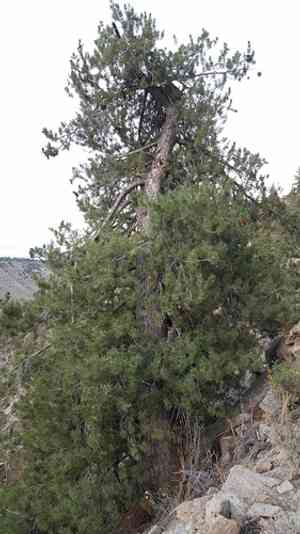
For limber pine, the optimal transplanting window extends from the vibrant spring season through the early part of summer, a period conducive to robust root development. Select a location receiving ample sunlight and featuring soil that drains effectively. Handle the plant with care to avoid causing trauma to the limber pine's root system throughout the procedure.
What Preparations are Needed Before Transplanting Limber Pine?
What is the Ideal Time for Transplanting Limber Pine?
Enjoy the beauty of late springâafter any frost danger but prior to peak summer. This optimal period ensures limber pine roots establish without extreme strain. Choosing this time for transplanting limber pine leverages moderate temperatures and gentle rainfall, fostering robust root development. This timing provides a smooth transition for limber pine, helping it flourish and display its magnificence in your landscape with renewed vitality.
How Much Space Should You Leave Between Limber Pine Plants?
Hello there, gardening enthusiast! Remember to allow your limber pine ample room to expand. Aim for a spacing of over 60 feet (approximately 18 meters) apart. This way, your limber pine will have sufficient area to thrive!
What is the Best Soil Mix for Limber Pine Transplanting?
To ensure your limber pine's success, select soil that drains well. Incorporate some compost to provide a nutritional boost. Before transplanting, apply a balanced, slow-release fertilizer to encourage vigorous growth from the start!
Where Should You Relocate Your Limber Pine?
Your limber pine loves to absorb sunlight! Choose a location that receives full sun for the healthiest development. Ensuring your limber pine gets plenty of rays will help it grow strong and resilient!
What Equipments Should You Prepare Before Transplantation Limber Pine?
Shovel or Spade
To excavate the plant from its original spot and to dig a new hole in the ground.
Garden Fork
Useful for loosening the soil around the root ball when extracting the plant.
Gardening Gloves
To safeguard your hands while handling soil and the plant.
Wheelbarrow or Tarp
To move the plant from its initial location to the new site.
Pruning Shears
For trimming any damaged roots or branches prior to transplanting.
Watering Can or Hose
To thoroughly water the plant before and after transplanting.
Stake and Ties
For supporting the limber pine once it's transplanted, if needed.
Mulch
To help retain soil moisture and regulate temperature post-planting.
How Do You Remove Limber Pine from the Soil?
How Do You Remove Limber Pine from the Soil?
From Ground: First, water the limber pine plant to moisten the soil, making it easier to manage. Using a shovel or spade, dig a wide circle around the plant, being careful to avoid harming the root ball. Gently pry and lift the root ball out of the soil with the help of the shovel and garden fork.From Pot: Water the limber pine thoroughly before beginning. Tilt the pot sideways and gently tap the sides and bottom to loosen the root ball. Hold the base of the plant and carefully pull it out, supporting the root ball to prevent it from disintegrating.From Seedling Tray: Water the seedlings to facilitate removal. Use a spoon or a small gardening tool to lift the seedling, including its root mass, from the tray. Handle it delicately to avoid damaging the roots and stem.
Step-by-Step Guide for Transplanting Limber Pine
Prepare New Site
Select a well-draining location that meets the limber pine's growth requirements. Dig a hole that is twice as wide and as deep as the plant's root ball.
Inspect the Root Ball
Examine the root ball for circling or tangled roots. If present, gently separate them or prune them as necessary.
Place the Plant
Position the limber pine in the center of the hole so that it sits at the same depth it was previously growing. Backfill the hole with soil, gently firming it down around the root ball.
Watering
After backfilling, water the limber pine thoroughly to settle the soil and eliminate air pockets. Continue with watering based on the plant's needs.
Stabilize
If the limber pine requires additional support, insert a stake beside the planting hole and gently tie the plant to the stake.
Mulching
Apply a layer of mulch around the base of the limber pine, keeping it away from the stem, to conserve moisture and regulate soil temperature.
How Do You Care For Limber Pine After Transplanting?
First Watering
Water the limber pine generously immediately after transplanting to aid with shock and establishment.
Monitoring
Keep a close watch on the limber pine for indications of transplant shock or stress, such as wilting leaves or absence of new growth.
Support Assessment
Check the stability of any stakes or ties, adjusting as needed so they do not restrict the limber pine's growth.
Mulch Management
Ensure the mulch remains evenly spread around the limber pine and replenish it if it begins to break down.
Subsequent Watering
Establish a consistent watering schedule, allowing the soil to slightly dry out between waterings to encourage robust root development.
Troubleshooting Common Issues with Limber Pine Transplantation.
How do I choose the best time to transplant limber pine?
Transplant limber pine during the optimal period of the year, typically mid-spring to early summer, to give it a strong start.
What's the ideal distance between limber pine when planting?
Give limber pine ample space to thrive by planting them at least 60 feet (18 meters) apart, allowing for full growth.
What should I watch for when digging up limber pine to transplant?
Carefully dig a wide perimeter to preserve the root ball and minimize stress to limber pine during the move.
What size should the new hole for limber pine be?
The new home for limber pine should be twice the width of the root ball and as deep, to encourage ease of root spread.
How can I tell if limber pine is planted at the correct depth?
Ensure the root collar of limber pine sits at or just above ground level to prevent stem rot and promote healthy growth.
Can limber pine handle full sun exposure after transplanting?
Limber pine thrives in full sun, so post-transplant, choose a sunny spot and watch it grow strong and tall.
What watering routine is best for limber pine post-transplant?
Keep the soil consistently moist but not waterlogged; deep watering helps limber pine establish its roots in its new location.
When should I fertilize limber pine after transplanting?
Wait until limber pine shows signs of new growth before fertilizing; this indicates it's settled and ready for a nutrient boost.
How should I protect limber pine's roots during winter after transplanting?
Mulching around the base of limber pine will insulate roots from frost and retain moisture â a cozy winter blanket.
Is there a sign that limber pine has transplant shock?
Yellowing or drooping foliage can signal transplant shock in limber pine. Provide stable care and time to recuperate.



