How to Transplant Longleaf pine?
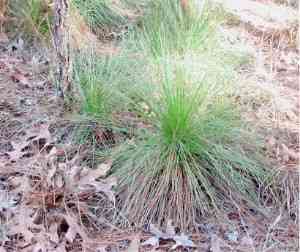
Transplanting longleaf pine is most effective in the mild temperatures of mid to late spring, allowing roots to firmly establish prior to summer. Select a bright spot with soil that drains efficiently and sufficient area for its eventual height. A helpful suggestion: longleaf pine flourishes when its root system has extensive space to expand.
What Preparations are Needed Before Transplanting Longleaf Pine?
What is the Ideal Time for Transplanting Longleaf Pine?
The prime period for moving longleaf pine is during the vigor of mid to late spring. This timing allows longleaf pine to establish roots prior to the summer heat. Relocating longleaf pine in this growth-promoting window improves survival chances, as the milder weather supports root development. By selecting this season, you provide longleaf pine with the gentle temperatures and increasing soil warmth it needs to flourish post-move. Helpful tip - this timely shift is your best option for a healthy, thriving longleaf pine!
How Much Space Should You Leave Between Longleaf Pine Plants?
Begin by considering the area for your longleaf pine. Plan for approximately 10-15 feet (3-4.5 meters) between each tree when you move them. This will provide them ample room to grow and reach maturity.
What is the Best Soil Mix for Longleaf Pine Transplanting?
Your longleaf pine will flourish best in well-drained sandy or sandy loam soil. Prior to planting, enrich this soil with a foundational fertilizer rich in nitrogen. This will give your longleaf pine a strong start and encourage healthy development.
Where Should You Relocate Your Longleaf Pine?
Ensure you select a location where your longleaf pine will receive full daily sunlight. They prefer sunny spots, which will promote their growth. Observe your garden throughout the day to find a spot that gets ample sun.
What Equipments Should You Prepare Before Transplantation Longleaf Pine?
Shovel or Spade
Necessary for excavating the hole where you'll be relocating your longleaf pine. Also useful for extracting the plant from its original spot without harming the root ball.
Watering Can or Garden Hose
Essential for hydrating the longleaf pine before and after its relocation.
Gardening Gloves
To safeguard your hands while handling the soil and the plant.
Mulch
Utilized to shield the longleaf pine's roots from extreme temperatures, maintain soil moisture, and inhibit weed growth.
Garden Pruners
These are helpful for trimming any damaged or errant roots of longleaf pine before transplanting.
Wheelbarrow
Convenient if needed for transporting larger longleaf pine plants or carrying soil and compost.
How Do You Remove Longleaf Pine from the Soil?
How Do You Remove Longleaf Pine from the Soil?
From Ground: Start by thoroughly watering your longleaf pine. This will facilitate digging and reduce plant stress. Once the soil is moist, gently dig a trench around the plant, ensuring it's wide enough to avoid damaging the root ball. Work your shovel beneath the root ball, being careful not to sever roots, then lift the plant from the ground.From Pot: First, water the longleaf pine plant to moisten the soil. Turn the pot sideways, hold the plant by its base, then gently pull to extract it from the pot. If the plant doesnât come out easily, do not force it. Instead, tap the pot's rim against your hand to loosen it.From Seedling Tray: Fill the tray with water and let it sit until the soil is saturated. Carefully pull the longleaf pine seedling by its leaves to remove it, ensuring not to harm the delicate roots.
Step-by-Step Guide for Transplanting Longleaf Pine
Hole Preparation
Excavate a hole deep and wide enough to accommodate the entire root system of longleaf pine. The hole should be two to three times the width of the root ball at ground level, narrowing to approximately the same width as the root ball at the base.
Plant Placement
Position the longleaf pine in the hole, keeping the top of the root ball level with or slightly above the surrounding ground surface.
Soil Replacement
Refill the hole with the original soil, breaking up any clumps as you proceed. Do not compact the soil â allow it to settle naturally.
Watering
Thoroughly water the longleaf pine after planting, ensuring the water reaches the root zone. Wait until the water has absorbed, then continue filling the hole.
Mulching
Apply a layer of mulch around the longleaf pine, but be sure not to pile it against the trunk.
How Do You Care For Longleaf Pine After Transplanting?
Hydration
It's crucial to keep the longleaf pine adequately hydrated for the initial couple of weeks post-transplant. The roots will require time to recover and establish, so prevent the soil from drying out.
Pruning
You should trim any dead or damaged branches to help the longleaf pine direct its energy towards new root growth. However, do not prune the healthy parts, as longleaf pine utilizes its needles to produce food.
Protection
Shield the longleaf pine from strong winds and excessively hot sun for the first few weeks following the transplant, as these conditions might cause it to dehydrate faster.
Troubleshooting Common Issues with Longleaf Pine Transplantation.
When is the best time to transplant my longleaf pine sapling?
The optimal period for relocating longleaf pine is between late spring (S2) and early summer (S3) to allow it time to establish roots before the colder months.
How much space is needed between longleaf pine when planting?
Longleaf pine should ideally be spaced at an interval of 10-15 feet (3-4.5 meters) apart, promoting healthy growth and preventing overcrowding.
What signs indicate my longleaf pine is ready for transplanting?
Your longleaf pine is prepared for transplanting when it has robust, healthy roots visible through the drainage holes and its growth begins to slow in its current container.
How to deal with transplant shock in longleaf pine?
Transplant shock can be minimized by thoroughly watering the longleaf pine before and after transplanting. Avoid exposure to harsh weather and prune if necessary, encouraging new growth.
What type of soil should I use for longleaf pine?
Longleaf pine prefers well-draining, acidic soil. It's vital to ensure the soil is neither extremely dry nor overly saturated, maintaining a balance for optimal growth.
What amount of sunlight does longleaf pine require post-transplant?
Longleaf pine thrive in full sun to partial shade environments. After transplanting, it's best to gradually expose to direct sunlight to reduce shock.
What should be the depth of the hole for transplanting longleaf pine?
The hole should be twice as wide as the root ball, but no deeper. This will provide your longleaf pine ample space to spread its roots for improved growth.
How to prepare my longleaf pine for transplanting?
Water the longleaf pine well before removing it from the existing container. This helps to keep the root system moist during the transplanting process.
How to care for longleaf pine after it has been transplanted?
Regularly water longleaf pine and maintain the soil pH while providing ample sunlight. Keep a check on any disease or pest infestation in the early stages of transplantation.
Can I use fertilizer immediately after transplanting longleaf pine?
It's best to refrain from fertilizing right after transplanting. Giving longleaf pine a few weeks to adjust to the new environment reduces the chances of fertilizing stress.



