How to Transplant Scots pine?
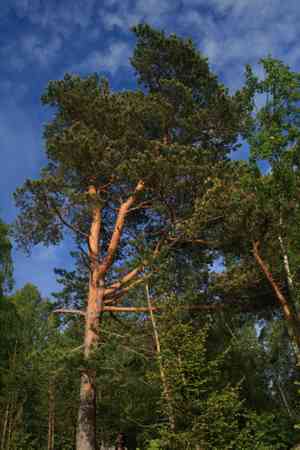
The most suitable period for relocating scots pine is from late spring to early summer, or from early to mid-winter. These periods facilitate superior root establishment. Select a bright spot with soil that drains effectively for robust development. Be aware that scots pine tolerates transplantation readily, so you can proceed with confidence!
What Preparations are Needed Before Transplanting Scots Pine?
What is the Ideal Time for Transplanting Scots Pine?
The optimal period to move scots pine is during late spring to early summer, or from the beginning to the middle of winter. Relocating this perennial at these times allows it sufficient opportunity to adapt and establish roots prior to the onset of harsh weather. Remember, pre-transplant care is crucial as scots pine adjusts to its new surroundings.
How Much Space Should You Leave Between Scots Pine Plants?
When relocating your scots pine, ensure they are spaced approximately 10-20 ft. (3-6 meters) apart. This provides ample room for their growth and branch spread without causing overcrowding.
What is the Best Soil Mix for Scots Pine Transplanting?
For your scots pine, prepare well-draining soil with a pH ranging from slightly acidic to neutral (5.5-7.0). Incorporate a foundational fertilizer, such as compost or aged manure, to enrich the soil and promote robust root development.
Where Should You Relocate Your Scots Pine?
Select a site for your scots pine that receives full sun to partial shade, ideally getting at least 6 hours of sunlight daily. This will ensure vigorous growth and help your plant flourish in its new setting.
What Equipments Should You Prepare Before Transplantation Scots Pine?
Gardening Gloves
To safeguard your hands while handling the plant and soil.
Shovel or Spade
For excavating holes and moving the Scotch pine.
Pruning Shears
If necessary, to remove any dead or diseased branches before planting scots pine.
Watering Can or Hose
To thoroughly hydrate scots pine before, during, and after the transplanting process.
Fiberglass Garden Stakes
To offer support to the scots pine post-transplant, if staking is required.
Mulching Material
Such as bark chips or compost, to help maintain soil moisture around scots pine once it's replanted.
How Do You Remove Scots Pine from the Soil?
How Do You Remove Scots Pine from the Soil?
From Ground: If scots pine is already in the ground, careful removal is essential to minimize stress and potential harm. Begin by thoroughly watering the area around scots pine the day before your planned move. This helps keep the roots moist during the transplanting process. Use a spade or shovel to gently dig around the root ball, ensuring it's wide and deep enough to encompass all roots without damage. Carefully lift the plant, making sure to retain as much soil around the roots as possible.From Pot: If scots pine is in a container, water it completely first. Turn the pot on its side and, while gently holding the plant at its base, tap the pot's rim against a firm surface. Slide scots pine out of the pot. If roots are pot-bound, try to carefully separate them with your fingers or a fork.From Seedling Tray: If moving from a seedling tray, water scots pine well just before transplanting. Gently push up the bottom of each cell to lift out each seedling, being careful not to pull on the stem or compress the root ball.
Step-by-Step Guide for Transplanting Scots Pine
Preparation
Ensure you have prepared an appropriate hole in the ground for scots pine. The hole should be twice the width and the same depth as the plant's roots.
Placement
Position scots pine in the hole, making sure the plant is level with the surrounding soil, which is very important.
Filling Back
Refill the hole with the original soil, gently patting it down to eliminate air pockets and ensure good soil contact with the roots.
Watering
Water scots pine generously immediately after transplanting, saturating the root zone.
Staking
If scots pine is tall and requires support, stake the tree, tying it loosely enough to allow slight movement in the wind.
Mulching
Finally, apply a layer of mulch around scots pine, ensuring it does not touch the trunk. Mulch helps retain soil moisture and maintain a consistent temperature.
How Do You Care For Scots Pine After Transplanting?
Watering
It's crucial to ensure the soil around scots pine remains consistently moist but not waterlogged for the initial weeks post-transplant. Gradually reduce irrigation as the plant establishes itself.
Pruning
Avoid extensive pruning immediately after transplanting to lessen stress on the plant. Only remove dead or diseased wood if present.
Staking
Regularly check the stakes, adjust them, and remove them once the tree becomes stable.
Monitor
Watch for signs of transplant shock such as wilting, yellowing, or dropped leaves. If observed, scots pine may require additional care like more frequent watering or a shadier location.
Troubleshooting Common Issues with Scots Pine Transplantation.
When is the best time to transplant scots pine?
For optimal results, transplant scots pine during either late spring to early summer or early winter to mid-winter.
What is the optimal distance between scots pines when transplanting?
Ensure ample room for growth by spacing scots pine 10-20 feet (approximately 3-6 meters) apart.
What precautions should I take while handling scots pine saplings for transplantation?
Handle scots pine saplings by their root ball. Avoid compressing or impacting the root system to prevent plant injury.
What kind of soil is suitable for scots pine transplantation?
Scots pine thrives in well-drained, sandy to loamy soil. Ensure the pH is slightly acidic to neutral for ideal growth conditions.
How deep should I dig the hole for scots pine transplantation?
The hole for scots pine should be about twice as wide and as deep as the root ball. This typically measures 10-20 inches (25-50 cm).
How can I ensure successful transplantation of scots pine?
Make sure to thoroughly water the scots pine sapling before and after planting. This aids the roots in settling into their new environment.
Will scots pine survive if I transplant it in late summer or fall?
While scots pine prefers transplantation in late spring to early summer or early to mid-winter, it can still survive if necessary care is provided.
Should I prune scots pine before transplanting?
Extensive pruning of scots pine before transplanting is not essential. However, removing broken or damaged branches can be beneficial.
How to care for scots pine immediately after transplantation?
Ensure the plant is well-watered and observe for transplant shock, which may manifest as leaf discoloration or drooping. Adjust care as needed.
How long does scots pine take to establish after being transplanted?
Generally, scots pine may take about one to two years to fully establish itself after transplanting. Consistent care will accelerate this process.



