How to Transplant Japanese pittosporum?
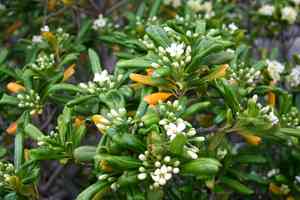
The ideal period for relocating japanese pittosporum is in the nascent stages of early to mid-spring. Select a site with ample sunlight or partial shade to facilitate its best development. Ensure the soil offers good drainage for a flourishing japanese pittosporum. Enjoy your transplanting!
What Preparations are Needed Before Transplanting Japanese Pittosporum?
What is the Ideal Time for Transplanting Japanese Pittosporum?
Optimally, moving japanese pittosporum should occur from early to mid-spring. This period encourages vigorous development as the ground is damp and temperatures are moderate. This effort results in a strong, mature japanese pittosporum ready to display its beauty. Remember, each step in transplanting brings you closer to a flourishing garden.
How Much Space Should You Leave Between Japanese Pittosporum Plants?
For robust growth and development, position your japanese pittosporum young plants approximately 3-5 feet (0.9 - 1.5 meters) apart. This provides ample room for their branches and roots to expand, minimizing competition for nutrients and water.
What is the Best Soil Mix for Japanese Pittosporum Transplanting?
For japanese pittosporum, prepare soil that drains well and is rich in organic matter. Incorporating a generous amount of compost or aged manure into the native soil will enhance its structure. Adding a slow-release, balanced fertilizer will encourage strong growth.
Where Should You Relocate Your Japanese Pittosporum?
Select a site for your japanese pittosporum that receives full sun to partial shade. This adaptable plant can still thrive with less sunlight, but ensure it gets at least four hours of daily sunlight for optimal growth and blooming.
What Equipments Should You Prepare Before Transplantation Japanese Pittosporum?
Gardening Gloves
To protect your hands while handling soil and the japanese pittosporum plant.
Spade or Shovel
To excavate the plant from its original spot and to prepare the new planting hole.
Garden Trowel
For the more delicate task of extracting the japanese pittosporum from its pot or seedling tray.
Wheelbarrow or Garden Cart
To move the japanese pittosporum plant from its current location to the new planting site.
Watering Can or Garden Hose
For hydrating the japanese pittosporum plant before and after its relocation.
Compost or Organic Mulch
To provide nutrients to the plant following transplantation.
How Do You Remove Japanese Pittosporum from the Soil?
How Do You Remove Japanese Pittosporum from the Soil?
From Ground: Begin by watering the japanese pittosporum plant to soften the earth. Then, carefully dig a wide circle around the plant using a spade or shovel, ensuring no damage to the root system. Gently slide your shovel beneath the root ball and carefully lift the plant from its original position. Make sure to keep as much of the root ball intact.From Pot: For a potted plant, water the japanese pittosporum sufficiently to loosen the soil around the roots. Tilt the pot on its side and slowly slide the plant out. If it resists, tap the pot's sides to facilitate movement.From Seedling Tray: If the japanese pittosporum is in a seedling tray, water it, then gently invert the tray. Tap its base to release the seedlings. Always handle seedlings by their leaves to avoid harming the delicate roots.
Step-by-Step Guide for Transplanting Japanese Pittosporum
Hole Preparation
Dig a hole twice as wide and the same depth as the root system of japanese pittosporum. It is crucial for the hole to accommodate the plant without being cramped.
Plant Introduction
Place the japanese pittosporum plant in the hole, ensuring it stands upright. The top of its root ball should be level with or slightly above the ground surface.
Backfilling
Refill the hole with the loose soil previously removed, gently firming it around the base of the japanese pittosporum. Be careful not to bury the stem.
Watering
Water thoroughly immediately after planting to settle the soil around the roots and eliminate any air pockets.
Mulching
Apply a layer of compost or organic mulch around the japanese pittosporum, leaving a small gap around the stem to prevent rot.
How Do You Care For Japanese Pittosporum After Transplanting?
Watering
Initially, water the japanese pittosporum plant more frequently to aid in root development. Once established, switch to deep, less frequent watering as overwatering can lead to root disease.
Pruning
Limit initial pruning to remove only dead or dying branches to encourage the japanese pittosporum to establish a strong root system.
Pest Control
Regularly inspect the japanese pittosporum for signs of pests and diseases. Prompt intervention can ensure the plantâs survival.
Troubleshooting Common Issues with Japanese Pittosporum Transplantation.
What is the ideal time for transplanting japanese pittosporum?
For japanese pittosporum, early to mid-spring is the perfect time for transplanting. This allows the plant ample time to adjust before the summer heat.
How much space should you leave between japanese pittosporum plants?
Ensure that japanese pittosporum plants are spaced ideally between 3 feet to 5 feet (0.9m - 1.5m). This promotes healthy growth and prevents overcrowding.
What kind of soil does japanese pittosporum need for successful transplantation?
Japanese pittosporum prefers to grow in well-draining soils, slightly acidic to slightly alkaline. Enrich the soil beforehand with organic matter for best results.
How deep should the hole be when transplanting japanese pittosporum?
The hole should be twice as wide as and a depth similar to japanese pittosporum's container. This allows the roots to spread out and establish.
How do I handle japanese pittosporum's roots during transplantation?
Gently tease out the roots of japanese pittosporum if they're root-bound. Be careful not to damage them - they're vital for the plant's recovery post-transplant.
What is the best way to water japanese pittosporum after transplanting?
Initially, water japanese pittosporum thoroughly right after transplanting. Afterwards, keep the soil moist but not soggy. Overwatering can cause root rot.
Can I use a fertilizer when transplanting japanese pittosporum?
Yes, use a slow-release, balanced fertilizer during transplantation. This provides necessary nutrients and helps japanese pittosporum establish quickly in its new environment.
What should be the initial care after transplanting japanese pittosporum?
Newly planted japanese pittosporum needs regular watering and periodic checking for pest or disease signs. Reducing sun exposure initially can help prevent transplant shock.
What if japanese pittosporum becomes wilted after transplantation?
Wilting may be a transplant shock sign. Keep the plant hydrated and shielded from extreme heat. Generally, the plant recovers with adequate care.
Should I prune japanese pittosporum after transplanting?
Slight pruning of japanese pittosporum after transplanting can help the plant put more energy into establishing roots. Remember, never remove more than one-third of the plant.



