How to Transplant Water elm?
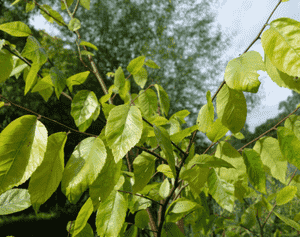
Water elm flourishes when relocated from the beginning to the end of spring, as this period allows for ideal root development. Select a bright, damp spot with soil that drains effectively for superior outcomes. Confirm the new environment mirrors its native setting to ensure uninterrupted growth.
Essential Preparations Before Relocating Water Elm?
Optimal Period for Moving Water Elm?
Water elm, a perennial species, is best moved from the beginning of early spring until the end of late spring. This timeframe provides ideal soil temperatures and moisture levels, aiding root development. Relocating water elm during this period minimizes plant stress and boosts its resilience and growth, ensuring successful establishment in its new spot.
Required Spacing Between Water Elm Plants?
When transplanting water elm, ensure each plant is positioned 20-30 feet (6-9 meters) apart. This provides ample room for root and canopy expansion and healthy development.
Best Soil Mixture for Water Elm Relocation?
Prepare well-draining, loamy soil for water elm. Incorporate a foundational fertilizer rich in phosphorus to encourage robust root growth, such as a 10-20-10 blend.
Where to Replant Your Water Elm?
Select a site that receives full sun to partial shade. Water elm thrives with at least 6 hours of daily sunlight for healthy, vigorous growth.
Equipment Needed Before Transplanting Water Elm?
Gardening Gloves
To safeguard your hands while handling soil and the plant.
Shovel or Spade
For excavating around the plant and preparing a new planting site.
Hand Trowel
Useful for working in confined areas near the root system.
Bucket or Container
To transport the plant from its current spot to the new one.
Watering Can or Hose
For hydrating the plant before and after its relocation.
Pruners
To trim any damaged roots or stems.
Mulch
To help maintain soil moisture around the plant post-transplant.
How to Extract Water Elm from the Ground?
How to Extract Water Elm from the Ground?
From Ground: First, irrigate the water elm to moisten the soil. Next, dig a wide trench around the plant using a shovel or spade, ensuring the plant's root ball remains intact. Carefully work the spade beneath the root ball to lift the plant from its original position.From Pot: Water the water elm thoroughly to loosen the soil. Gently tilt the pot on its side and tap the sides and bottom to release the plant. Use a hand trowel to carefully ease the plant out, keeping the root ball whole.From Seedling Tray: Ensure the soil is damp. Use a small hand trowel or your fingers to gently lift the seedling from beneath its roots, taking care not to harm the delicate root system.
Detailed Steps for Transplanting Water Elm
Location Selection
Choose a spot with adequate sunlight and space for your water elm to reach its full mature size.
New Hole Preparation
Excavate a hole twice as wide and as deep as the water elm's root ball. This allows roots to spread easily in the new environment.
Soil Enhancement
Incorporate organic material like compost into the bottom of the hole to enrich soil quality and supply nutrients.
Plant Positioning
Place the water elm in the hole at the same depth it was previously growing. Backfill with soil, gently firming it around the root ball to eliminate air pockets.
Initial Watering
Thoroughly water the water elm immediately after planting to help settle the soil around its roots.
Mulching Application
Apply a layer of mulch around the base of the water elm to help retain soil moisture and regulate temperature.
Post-Transplant Care for Water Elm?
Watering Regimen
Keep the soil around the water elm consistently moist, but not waterlogged, for the initial weeks after transplanting to aid in strong root establishment.
Regular Monitoring
Inspect the water elm frequently for indications of stress such as wilting, yellowing leaves, or stunted growth. Address any issues promptly.
Pruning Practices
Trim any dead or damaged leaves or branches to encourage healthy new growth.
Environmental Protection
If transplanting in a windy area, consider using supports or windbreaks to shield the water elm during its establishment phase.
Resolving Common Water Elm Transplantation Issues.
When is the optimal time to move water elm?
The best period to transplant water elm is from early spring through late spring.
How should I prepare the soil for water elm?
Loosen the soil to a depth of 12 inches (30 cm) and mix in organic compost.
What spacing should I maintain for water elm?
Ensure water elm are spaced 20-30 feet (6-9 meters) apart for optimal growth.
How deep should the planting hole be for water elm?
The hole should be twice as wide and equally deep as the root ball.
How can I minimize transplant shock for water elm?
Water water elm thoroughly before and after transplanting and add mulch to retain moisture.
What should I avoid when transplanting water elm?
Avoid excessive disturbance of the root system and planting too deep or too shallow.
How much water does water elm need after transplanting?
Water the water elm deeply and consistently, keeping the soil moist but not waterlogged.
Should I prune water elm when transplanting?
Prune dead or damaged branches to promote healthy growth but avoid heavy pruning.
When should I start fertilizing water elm post-transplant?
Wait until water elm shows new growth, then use a balanced, slow-release fertilizer.
What type of mulch is best for water elm?
Use organic mulch like wood chips or straw, spread 2-3 inches (5-8 cm) thick around the base.



