How to Transplant Balloon flower?
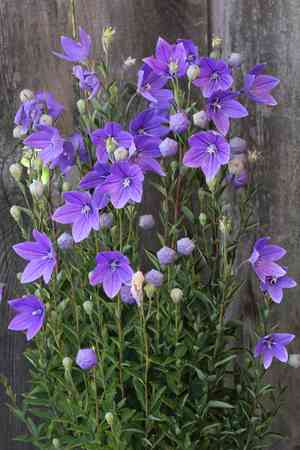
The ideal period for relocating balloon flower spans from the end of spring to the close of summer, a time when the plant thrives in elevated temperatures and abundant light. Select a site featuring soil that drains effectively and receives either partial or complete sun. Should it be necessary, enhance the soil with organic material to foster superior development. Enjoy your transplanting!
Essential Preparations Before Relocating Balloon Flower
Optimal Period for Transplanting Balloon Flower?
Ideally, consider undertaking the pleasant task of relocating balloon flower from late spring through the final days of summer. This timeframe allows balloon flower ample opportunity to establish roots and flower beautifully. Moving balloon flower during this interval maximizes its chances of survival and thriving, enhancing your garden's appeal. This season also offers the best soil conditions for balloon flower to root firmly, ensuring its continued beauty in your garden. Indeed, planning a transplant at this time is an excellent choice!
Required Spacing Between Balloon Flower Plants?
When relocating balloon flower, ensure each plant is positioned approximately 15-18 inches (38-45 cm) apart. This guarantees sufficient room for healthy, robust growth, without competition for resources.
Best Soil Mixture for Balloon Flower Relocation?
For balloon flower, select a well-draining soil rich in organic matter. Incorporate a balanced, slow-release granular fertilizer into the planting hole to give your plant an excellent start.
Where to Replant Your Balloon Flower?
Relocate your balloon flower to a spot that receives full sun to partial shade. Ideally, aim for an area with 6-8 hours of daily sunlight to promote optimal growth and blooming.
Equipment Needed Before Relocating Balloon Flower?
Shovel or Spade
To loosen the soil and excavate around the root system of the balloon flower plant in its initial position.
Pruning Shears
To trim the roots of the balloon flower plant if necessary.
Gardening Gloves
To safeguard your hands while handling the soil and plant.
Wheelbarrow
To transport the balloon flower plant from its original spot to the new planting location.
Watering Can
For hydrating the plant before and after its relocation.
Mulch
To shield the plant's roots from extreme temperatures and moisture loss.
How to Extract Balloon Flower from the Soil?
How to Extract Balloon Flower from the Soil?
From Ground: First, water the balloon flower plant to moisten the soil. This will facilitate removal and minimize root damage. Use your shovel or spade to dig a wide trench around the plant, ensuring the plant's root ball remains intact. Once the entire root system is exposed, carefully work the spade beneath the root ball to lift the plant from its spot.From Pot: If the balloon flower plant is in a container, turn the pot sideways and gently tap the base to loosen the soil and roots. Carefully slide the plant out while supporting its base. Avoid pulling the plant by its stem.From Seedling Tray: If the balloon flower plant is in a seedling tray, compress the bottom of the tray cell to push the seedling upward. Gently pull the plant to prevent damage to the root system.
Step-by-Step Guide for Relocating Balloon Flower
Preparation
Prepare the new planting site by digging a hole twice as wide and as deep as the root ball. This will aid in the root expansion of the balloon flower plant.
Transportation
Transport your balloon flower plant using a wheelbarrow from its initial location to the new site.
Planting
Place the plant in the hole, ensuring the top of the root ball is level with the ground. Backfill the hole with the excavated soil. Firm the soil around the plant but ensure it's not overly compacted.
Watering
Once the balloon flower is planted, water thoroughly using a watering can. This will help to settle the soil around the roots.
Mulching
Apply a layer of mulch around the base of the plant, keeping it a few inches away from the stem. This helps to prevent moisture loss from the soil.
Post-Transplant Care for Balloon Flower
Consistent Watering
For the initial weeks after relocation, keep the soil around the balloon flower plant consistently moist, but not waterlogged. This aids in establishing strong roots.
Pest/Disease Inspection
Regularly examine the balloon flower plant for any indications of pests or diseases. Address issues promptly to prevent further harm.
Pruning
If any leaves or shoots of your balloon flower exhibit signs of wilting or disease after transplantation, trim them off to maintain the plant's overall health.
Resolving Common Issues with Balloon Flower Relocation.
When is the ideal time of year to relocate balloon flower?
The prime period for relocating balloon flower is from late spring to late summer. This offers optimal growing conditions.
How much space does balloon flower need for successful relocation?
Ensure balloon flower has adequate room to thrive, ideally providing a space of 15-18 inches (38-45 cm) between each plant.
What to do if balloon flower shows signs of wilting after relocation?
Balloon flower may require more water after being moved. Provide a good soaking, but avoid saturating the soil.
What type of soil does balloon flower prefer for relocation?
Balloon flower favors consistently moist, well-draining soil. It can tolerate various soil conditions, but not waterlogged soil.
Why are the leaves of my balloon flower turning yellow after being relocated?
This might indicate overwatering. Try to reduce the frequency and amount of water given to your balloon flower.
What should I do if my balloon flower is not blooming after relocation?
Ensure balloon flower is receiving sufficient sunlight. These flowers typically need full sun exposure after being moved.
Can I relocate balloon flower into a pot?
Yes, you certainly can. Just consider the pot's size; it should offer the plant enough room to grow.
How deep should I plant balloon flower during relocation?
Plant balloon flower at the same depth it was growing in its original container. This will help it adapt to the new location more easily.
What to do if my balloon flower has too many weeds after relocation?
Use mulch around balloon flower to suppress weed growth. Additionally, it helps to retain soil moisture.
What if the base of my balloon flower becomes soft and mushy after relocation?
This likely means your balloon flower has root rot, often caused by excessive watering. Try reducing watering and improving soil drainage.



