How to Transplant Canada bluegrass?
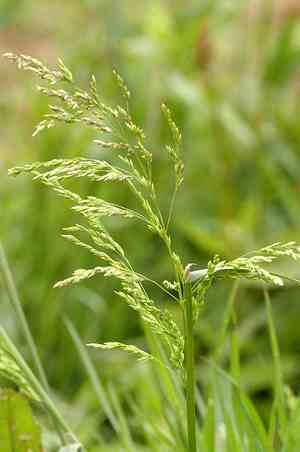
For canada bluegrass, the most favorable period for planting is during the vibrant growth phase of mid to late spring. Ensure placement in a sunny, adequately drained location to foster robust development. During transplantation, minimizing disruption to the root system facilitates a smoother adjustment.
What Preparations are Needed Before Transplanting Canada Bluegrass?
What is the Ideal Time for Transplanting Canada Bluegrass?
The perfect time for moving canada bluegrass is from the start of mid-spring to the end of late spring. This period allows canada bluegrass to develop roots before the summer heat, taking advantage of mild temperatures and increased rainfall. It's the best phase for growth, ensuring strong development. By transplanting during this window, you are cultivating canada bluegrass in its peak growth season, promoting a dense, vigorous stand that can better resist pests and diseases.
How Much Space Should You Leave Between Canada Bluegrass Plants?
Hello, gardening enthusiast! When preparing to rehome your canada bluegrass, remember to position them approximately 6-12 inches (15-30 cm) apart. This comfortable spacing helps them thrive without becoming too crowded!
What is the Best Soil Mix for Canada Bluegrass Transplanting?
For your canada bluegrass, you'll want to prepare a bed with soil that drains effectively. A small tip: incorporate some compost or a balanced slow-release fertilizer to give your canada bluegrass a nourishing start. Consider it a hearty meal for your plants!
Where Should You Relocate Your Canada Bluegrass?
Your canada bluegrass will thrive in a sunny location, where it can receive at least 6 hours of direct sunlight daily. However, don't worry if your garden has some partial shadeâthey are quite adaptable!
What Equipments Should You Prepare Before Transplantation Canada Bluegrass?
Shovel or Trowel
For excavating the plant and creating a new planting site.
Watering Can or Hose
To hydrate the plant prior to and following transplantation.
Gardening Gloves
To safeguard your hands while handling soil and plants.
Wheelbarrow or Garden Cart
To move the plant and soil effortlessly.
Gardening Fork
To loosen the earth surrounding the plant's root system.
Pruning Shears
To carefully trim any damaged roots or foliage.
Mulch
To assist in maintaining soil moisture and temperature post-planting.
Measuring Tape
To correctly space the transplant from other plants.
How Do You Remove Canada Bluegrass from the Soil?
How Do You Remove Canada Bluegrass from the Soil?
From Ground: Gently moisten the canada bluegrass to soften the soil. Use a shovel or fork to create space around the plant, and dig deeply to keep the root ball intact.From Pot: Hydrate the canada bluegrass to keep the roots moist. Tilt the pot and tap its sides to loosen the soil before carefully extracting the plant.From Seedling Tray: Water the tray to soften the soil. Use a trowel or your fingers to lift the canada bluegrass seedling out, ensuring the root ball is supported.
Step-by-Step Guide for Transplanting Canada Bluegrass
Preparation
Gather all necessary tools and water the canada bluegrass in its current spot to lessen transplant shock.
Removal From Original Location
Carefully remove the canada bluegrass without excessively disturbing the roots, using the appropriate method based on its current environment.
Prepare New Planting Site
Dig a hole that is twice as wide as the root ball and equally deep to ensure ample space for root expansion.
Placing the Plant
Position the canada bluegrass in the center of the new hole and spread out the roots evenly. Ensure the plant is at the same depth as it was in its previous location.
Backfill the Hole
Gently fill the hole with soil, without compacting it too much, to allow for proper root penetration and water drainage.
Water Generously
Thoroughly water the canada bluegrass to settle the soil around the roots and eliminate any air pockets.
Mulch
Apply a layer of mulch around the base of the canada bluegrass to conserve moisture and regulate soil temperature, avoiding direct contact with the plant's stem.
How Do You Care For Canada Bluegrass After Transplanting?
Initial Watering
Water your canada bluegrass deeply immediately after transplanting to help reduce transplant stress.
Subsequent Watering
Maintain consistent moisture levels for the first few weeks after transplanting, ensuring the soil does not dry out completely.
Monitoring
Observe your canada bluegrass for signs of transplant shock, which may include wilting or discolored leaves, and provide water as needed.
Pruning
Trim any dead or damaged foliage to help the canada bluegrass focus its energy on establishing new roots.
Troubleshooting Common Issues with Canada Bluegrass Transplantation.
What's the best time to transplant canada bluegrass?
For best results, transplant canada bluegrass from mid to late spring, allowing roots to establish before summer.
How far apart should I plant canada bluegrass?
Space canada bluegrass evenly, leaving 6-12 inches (15-30 cm) between plants to allow ample room for growth.
Why are my transplanted canada bluegrass wilting post-transplant?
Wilting may indicate shock. Ensure proper watering, avoid direct sun for a few days, and maintain soil moisture.
How deep should I plant canada bluegrass root balls?
Plant canada bluegrass root balls level with the soil surface; planting too deep can impede growth.
Can I transplant canada bluegrass during hot weather?
It's possible, but risky. If necessary, transplant on cloudy days or in the evening, and water thoroughly.
What soil is best for transplanting canada bluegrass?
Use well-draining soil rich in organic matter for canada bluegrass, allowing roots to establish without water pooling.
Should I fertilize canada bluegrass after transplanting?
Wait 4-6 weeks before fertilizing to avoid burning new roots. Then use a balanced fertilizer sparingly.
How often should I water canada bluegrass after transplanting?
Initially, water canada bluegrass daily to help roots settle. Then reduce frequency to when top inch of soil is dry.
What if canada bluegrass doesn't seem to grow after transplanting?
Be patient! Canada bluegrass may be establishing roots first. Maintain proper care and assess growth over a few weeks.
Is mulching beneficial for transplanted canada bluegrass?
Absolutely! Mulch conserves moisture, regulates soil temp, and reduces weeds. Apply a 2-3 inch (5-7.5 cm) layer around canada bluegrass.



