How to Transplant Totara?
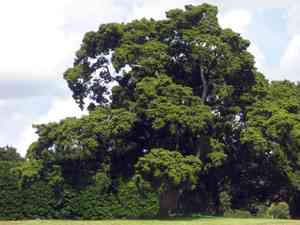
Relocate totara during the vibrant rejuvenation of spring through early summer to ensure the best root development. Select a site featuring soil that drains effectively and receives partial sunlight. Carefully transfer totara to its new position, making certain to disturb the roots as little as possible for a smooth adaptation.
What Preparations are Needed Before Transplanting Totara?
What is the Ideal Time for Transplanting Totara?
The best time for moving totara is during the rejuvenating months of spring or the initial weeks of early summer. This period offers mild weather, allowing totara to establish roots in favorable soil before summer's peak. Utilizing this window ensures your totara gains strength and resilience, building a strong foundation for growth. Remember, early planning will facilitate a successful transplant, promoting a smooth transition for totara.
How Much Space Should You Leave Between Totara Plants?
Begin by positioning totara saplings approximately 20-25 feet (6-7.6 meters) apart. This provides each plant ample room to develop without competing for nutrients. Keep in mind, patience and adequate spacing contribute to flourishing plants!
What is the Best Soil Mix for Totara Transplanting?
Prepare your garden bed with well-draining soil, ideally a sandy loam. Incorporate a slow-release granular fertilizer. This supplies totara with a good nutrient base, aiding quicker establishment and stronger growth.
Where Should You Relocate Your Totara?
Select a spot for your totara that receives full to partial sunlight for at least 6 hours daily. This plant thrives in sun but can endure some shade. Happy planting!
What Equipments Should You Prepare Before Transplantation Totara?
Gardening Gloves
To protect your hands from any injury while working in the garden.
Shovel or Spade
Either of these tools will be useful for excavating the plant from its original spot and in the new area where it will be replanted.
Gardening Trowel
Useful for smaller digging tasks and precise soil manipulation.
Bucket or Wheelbarrow
For moving the plant from one location to another without causing damage.
Pruning Shears
If the plant is mature and has several branches, you might need to trim it before transplanting to reduce stress on the plant.
Mulch
Helps in maintaining the moisture level in the soil after replanting.
Hose or Watering Can
Essential for hydrating the plant before and after transplantation.
How Do You Remove Totara from the Soil?
How Do You Remove Totara from the Soil?
From Ground: Start by lightly moistening the soil around your totara plant. This dampens the soil and simplifies the removal process. Using a shovel or spade, begin digging a wide circle around the plant, ensuring you are far enough away to avoid damaging the roots. Gradually work the shovel or spade beneath the root ball. After loosening the soil from around the roots, carefully lift the plant from the ground.From Pot: Water your totara plant thoroughly a few hours prior to the process. Turn the pot on its side, gently hold the plant by its stems or leaves, and tap the bottom of its container until the plant slides out. Avoid pulling the plant forcefully as it could harm the plant or its root system.From Seedling Tray: Water the totara seedlings well before transplanting. Using a small trowel or even your hand, scoop up as much of the root ball as possible. Be gentle during the process to minimize root damage.
Step-by-Step Guide for Transplanting Totara
Plan Ahead
Ensure the new site has a hole wide enough to accommodate the totara's root ball without crowding or bending. The hole should be just as deep as the root ball itself.
Prepare the Plant
If the totara is a mature plant, trim it back by approximately one-third. This lessens the plant's water demand.
Now Transplant
Place the plant in the hole. Make sure the plant is standing upright. Backfill the hole with native soil, gently tamping it down, then water thoroughly.
Mulching
Apply a layer of mulch around the plant, keeping it a few inches away from the stem to prevent rot. The mulch aids in retaining soil moisture and inhibiting weed growth.
How Do You Care For Totara After Transplanting?
Watering
Consistently keep the soil moist, but not waterlogged, for 2-3 weeks following the transplant.
Pruning
Avoid any significant pruning in the first year. Only remove dead or diseased branches to help the totara plant focus energy on root development.
Inspecting
Monitor the plant closely for a few weeks after transplant, especially if the weather is hot and dry or extremely cold. If signs of stress appear, take preventive measures.
Recovering
The totara may take some time to recover from the shock and begin growing, which is entirely normal. Provide gentle care and patience as it adjusts to its new location.
Troubleshooting Common Issues with Totara Transplantation.
When is the best time to transplant totara?
Totara should ideally be transplanted during seasons 1 to 4, when the weather is most favorable for root development.
How much space does totara need when being transplanted?
Totara requires ample room to grow. Make sure to space your transplant between 20 to 25 feet (6-7.6 meters) apart.
How do I prepare the soil for totara transplant?
Prepare a conducive environment by enriching the soil with compost. Totara enjoys well-drained, moist soil. Keep the pH neutral or slightly acidic.
How deep should I plant totara during transplantation?
The planting hole should be twice as wide and the same depth as totara's root ball. This gives roots room for expansion.
Do I need to water totara immediately after transplanting?
Definitely! Water totara thoroughly after transplanting. Regular watering is also crucial, but avoid waterlogging as it can harm the roots.
Should I prune totara after transplanting?
After transplanting, prune totara lightly to alleviate the stress on its roots. However, heavy pruning should wait until the plant establishes.
Can totara be transplanted in a pot? What size would I need?
Totara can certainly be transplanted into pots. Ensure the pot's depth is at least three times the root ball's height for optimal growth.
Why do the leaves of my totara turn yellow after transplanting?
Yellow leaves could indicate totara is receiving too much water, or it's stressed from transplanting. Keep monitoring and adjust care as necessary.
How long does totara take to establish after transplanting?
Totara usually exhibits new growth after 2-3 months post-transplanting. However, complete establishment may take 6 months to a year.
Is it necessary to use fertilizer after transplanting totara?
Yes, application of a balanced slow-release fertilizer helps totara recover and thrive post-transplant. However, always follow the recommended dosage.



