How to Transplant Common purslane?
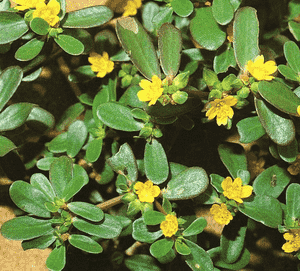
The ideal period for relocating common purslane is within the pleasant timeframe of mid to late spring. When selecting a site, confirm it gets abundant solar exposure and soil that drains effectively. A helpful suggestion: allow each specimen sufficient room to thrive and develop attractively.
What Preparations are Necessary Before Relocating Common Purslane?
What is the Optimal Period for Relocating Common Purslane?
The ideal season for relocating common purslane spans from mid to late spring, as warmer temperatures facilitate its development. Moving common purslane during this window ensures vigorous growth, vibrant coloration, and a robust plant for your garden.
How Much Space Should You Provide Between Common Purslane Plants?
When relocating common purslane, ensure ample room for growth by spacing them 6-12 inches (15-30 cm) apart. This will guarantee they have sufficient area to flourish and expand.
What is the Best Soil Blend for Common Purslane Relocation?
For common purslane, prepare a soil that drains well, possessing a loamy or sandy consistency. Prior to planting, incorporate some organic material, such as compost or aged manure, as a foundational fertilizer to supply vital nutrients.
Where Should You Replant Your Common Purslane?
Select a site for common purslane where it will receive full sun or a minimum of 6 hours of daily sunlight. They thrive in sunlight and will develop optimally when exposed to abundant light!
What Equipment Should You Prepare Before Relocating Common Purslane?
Gardening Gloves
To safeguard your hands while handling the soil and common purslane plant.
Shovel or Spade
For excavating holes for relocation and lifting the plant from its initial spot.
Soil Trowel
For precise digging and backfilling when relocating younger plants or sprouts.
Garden Pruner or Scissors
For trimming and shaping the plant, if required.
Watering Can or Hose
For hydrating the common purslane plant before and after relocation.
Organic Compost
To enrich the soil and supply essential nutrients to the common purslane plant.
Mulch
To aid in retaining soil moisture and regulating soil temperature post-relocation.
How Do You Extract Common Purslane from the Soil?
How Do You Extract Common Purslane from the Soil?
- From Ground:First, water the common purslane plant to moisten the soil, which facilitates removal. Then, dig a wide trench around the plant using a shovel or spade, ensuring the plant's root ball remains intact. Carefully work the spade beneath the root ball to lift the plant from its original position.- From Pot:Water the common purslane plant and gently tap the pot's sides to loosen the soil. Grasp the plant at its base and carefully slide the root ball out of the pot while supporting it with your other hand.- From Seedling Tray:Water the common purslane seedlings and use a soil trowel to gently dig around each seedling. Hold the seedling by its base and lift, ensuring the root system stays intact. If seedlings are too close, use garden pruners or scissors to trim excess growth before relocating.
Step-by-Step Guide for Relocating Common Purslane
Location Selection
Choose a spot with adequate sunlight and room for your common purslane plant to reach its mature size.
Prepare the Ground
Enhance the soil quality by incorporating organic compost to provide vital nutrients for the common purslane plant.
Excavate the Hole
Dig a hole that is twice the width and as deep as the common purslane plant's root ball. This allows ample space for roots to spread without crowding.
Position the Plant
Gently lower the common purslane plant into the hole, ensuring the top of the root ball is level with the surrounding soil surface.
Backfill the Hole
Carefully fill the hole with the excavated soil, taking care not to harm the roots or bury the common purslane plant too deeply.
Water Thoroughly
Gently water the common purslane plant immediately after relocation to help settle the soil around the roots and lessen transplant shock.
Mulch
Apply a layer of mulch around the plant's base to help retain moisture and regulate soil temperature.
How Do You Care For Common Purslane After Relocation?
Watering
Maintain consistent soil moisture for your common purslane plant, but avoid excessive watering as it can lead to root rot.
Weeding
Remove any unwanted plants growing near your common purslane plant to prevent competition for nutrients, water, and sunlight.
Monitoring
Keep a close watch on the common purslane plant for any indications of pests or diseases, and address them accordingly.
Pruning
As your common purslane plant develops, trim any dead or damaged leaves and branches to maintain plant health and encourage denser growth.
Fertilizing
Apply a balanced, slow-release fertilizer to your common purslane plant as needed to promote continuous growth and flowering.
Troubleshooting Common Issues with Common Purslane Relocation.
What is the optimal time to relocate common purslane?
The best time for relocating common purslane is from mid-spring to late-spring, as it provides ideal growth conditions.
How do I prepare common purslane's seedlings for relocation?
To prepare common purslane's seedlings for relocation, gradually acclimate them by placing them outdoors for brief periods daily, increasing the duration progressively.
What should be the ideal spacing for common purslane?
For optimal growth, space common purslane 6-12 inches (15-30 cm) apart, ensuring sufficient room for them to mature and receive proper sunlight.
What type of soil works best for relocating common purslane?
Common purslane thrives in well-draining, fertile soil with a blend of garden loam, compost, and sand for nutrient-rich, water-retentive properties.
How deep should I plant common purslane seedlings?
Plant common purslane seedlings at the same depth as their root balls during relocation. Ensure the root ball is fully covered by soil.
What's the correct watering method for relocating common purslane?
Water common purslane generously after relocation to settle the soil. Afterward, maintain consistent, yet moderate watering practices to prevent overwatering.
How much sunlight does common purslane require after relocation?
After relocation, common purslane needs full sun exposure or at least 6-8 hours of direct sunlight daily for healthy development.
Do I need to fertilize common purslane after relocation?
Yes, applying balanced liquid fertilizer every 2-3 weeks after relocating common purslane will encourage healthy growth and overall development.
Should I mulch around common purslane after relocation?
Applying organic mulch around common purslane helps retain moisture, suppress weeds, and regulate soil temperature â highly recommended for successful relocation.
How can I prevent relocation shock in common purslane?
Prevent relocation shock in common purslane by acclimating seedlings beforehand, providing adequate watering, fertilizing, and shielding them from harsh weather.



