How to Transplant American plum?
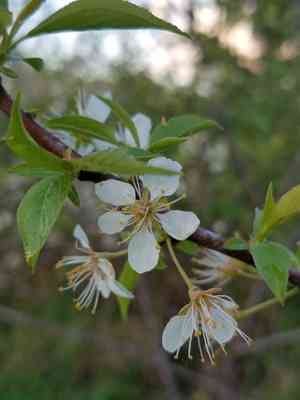
Relocating american plum is most effective in the gentle warmth of early to mid-summer, allowing the specimen to acclimate prior to colder periods. To foster robust development, position american plum in a brightly lit area with soil that drains efficiently, and provide consistent watering post-transplant to aid its integration.
What Preparations are Needed Before Transplanting American Plum?
What is the Ideal Time for Transplanting American Plum?
The height of summer warmth, typically early to mid-summer, offers the most favorable period for relocating american plum. This timing aligns with american plum's vigorous growth phase, where the soil's warmth promotes rapid root establishment. By performing this task when american plum is most receptive to change, you'll observe a significant boost in development and vitality. The sunny days of early to mid-summer are not only pleasant for us but perfect for american plum's successful transition to a new environment, setting the stage for thriving growth and future blooms.
How Much Space Should You Leave Between American Plum Plants?
Ensure each american plum is spaced approximately 10-20 feet (3-6 meters) apart. This provides ample room for growth without competition for light and nutrients! Novice tip: use a measuring tape to guarantee precise spacing.
What is the Best Soil Mix for American Plum Transplanting?
For optimal growth, american plum thrives in well-drained soil. You'll want to enrich your soil with organic compost or a balanced base fertilizer prior to planting. This preparation nourishes your plant and encourages robust development.
Where Should You Relocate Your American Plum?
The optimal location for your american plum is in full sun, meaning six or more hours of direct sunlight daily. Observe your garden throughout the day to identify a bright, open area. Don't worry, they can also endure partial shade.
What Equipments Should You Prepare Before Transplantation American Plum?
Gardening Gloves
To safeguard your hands while handling the roots and soil of the american plum.
Shovel or Spade
To assist in excavating around the plant's root ball and lifting it from its original spot.
Trowel
For more precise digging when moving the american plum from a pot or seedling tray.
Garden Fork
To help loosen the soil surrounding the american plum when extracting it from the ground.
Wheelbarrow or Garden Cart
To move the american plum from one place to another without causing harm to the plant.
Watering Can or Hose
To moisten the soil before and after the transplanting process.
Organic Mulch
To aid in maintaining soil moisture and temperature around the american plum post-transplant.
How Do You Remove American Plum from the Soil?
How Do You Remove American Plum from the Soil?
From Ground: First, hydrate the american plum plant to moisten the soil. Then, gently disturb the soil around the plant using a garden fork, being cautious of the root ball. Dig a wide trench around the plant with a shovel or spade; try to keep the root ball intact. Carefully work the spade beneath the root ball to lift the plant from its initial location.From Pot: Water the american plum to soften the soil. Invert the pot while supporting the american plum at its base and gently sway it to separate the plant and root ball from the container. For stubborn plants, you might use a trowel to help guide the plant out.From Seedling Tray: Press down on the soil around the american plum seedling using a slender object like a pencil. Gently lift it, taking care to hold the leaf and not the stem to prevent damage. Remember to preserve the integrity of the root ball during the process.
Step-by-Step Guide for Transplanting American Plum
Preparation
Excavate a hole in your chosen transplant site, ensuring it's twice as wide and deep as the american plum's root ball. Loosen the soil at the base of the hole using a garden fork.
Transplanting
Carefully position the american plum in the hole, making sure it's at the same depth as it was in its original spot. Backfill the hole with soil, gently pressing down to eliminate any air pockets.
Watering
Generously water the american plum after transplanting, ensuring the soil becomes moist but not waterlogged. Be gentle so as not to dislodge the newly transplanted american plum.
Mulching
Apply a layer of organic mulch around the american plum, leaving some space around the trunk to prevent rot and pest issues.
How Do You Care For American Plum After Transplanting?
Watering Consistency
Maintain consistent soil moisture for the initial few weeks following transplanting. The american plum needs to establish strong roots, so avoid allowing the soil to completely dry out.
Pruning
Trim any damaged or unnecessary branches to redirect the american plum's energy towards root and overall growth. However, do not over-prune as the plant is still adapting to the transplant.
Monitoring
Regularly inspect the american plum for indications of transplant shock, including leaf yellowing or wilting, and take appropriate actions if evident. Also, keep an eye out for pest or disease problems.
Troubleshooting Common Issues with American Plum Transplantation.
When is the best time to transplant my american plum?
The most favorable seasons for relocating your american plum are late fall and early winter.
How can I best prepare the soil before planting american plum?
It's advisable to incorporate organic compost or well-aged manure into the soil to enhance fertility before planting american plum.
What is the recommended distance to plant each american plum from each other?
To provide your american plum with sufficient room to grow, it's ideal to plant them approximately 10 to 20 feet (3 to 6 meters) apart.
How deep should the hole be dug for the american plum?
Ensure the hole is twice as wide and just as deep as american plum's root ball. This should typically be around 20 inches (51 cm).
What should I do if my transplanted american plum shows signs of stress, like wilting or yellowing leaves?
They may require water if they are experiencing transplant shock. Water deeply and regularly, but avoid overwatering as this can also harm the plant.
How much sun does a transplanted american plum require?
American plum prefers full sun to light shade, but it can tolerate a range of light conditions.
How can I ensure the american plum's root ball is positioned correctly?
The top of the american plum's root ball should be level with the ground surface. If the tree is planted too deeply, it may not root properly.
How do I water my newly transplanted american plum effectively?
Water your american plum thoroughly after transplanting to settle the soil, then every week for the first month, reducing frequency as the tree establishes itself.
Should I prune my american plum after transplanting?
Removing dead or damaged branches helps the american plum to concentrate resources on new root development, stimulating healthy growth after transplant.
What type of soil does a transplanted american plum prefer?
American plum thrives in well-draining soil. Avoid areas where water collects, as standing water can lead to root rot and other diseases.



