How to Transplant Cherry plum?
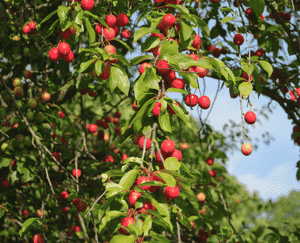
The ideal period for relocating cherry plum is in late spring or mid-summer, since the elevated temperatures foster rapid development. Select a spot that receives ample sunlight and possesses soil with good drainage. Cherry plum is quite adaptable, but incorporating organic material into your new planting area can provide additional benefits.
What Preparations are Needed Before Transplanting Cherry Plum?
What is the Ideal Time for Transplanting Cherry Plum?
The optimal period to relocate cherry plum is during the pleasant days of late spring through midsummer. This timeframe facilitates excellent root development and plant growth, ensuring a flourishing cherry plum in your garden.
How Much Space Should You Leave Between Cherry Plum Plants?
To provide your cherry plum with sufficient room to develop, it's advisable to position them approximately 15-25 feet (4.5-7.6 meters) apart. This spacing will allow their roots and branches to expand comfortably, leading to a robust and healthy plant.
What is the Best Soil Mix for Cherry Plum Transplanting?
Your cherry plum will thrive in well-draining, fertile soil with a slightly acidic to neutral pH level, ideally around 6.0-7.0. To prepare the soil, incorporate some high-quality compost or aged manure as a foundational fertilizer, supplying essential nutrients for growth.
Where Should You Relocate Your Cherry Plum?
Choose a site with full sun exposure or partial shade for your cherry plum. They require at least 6-8 hours of sunlight daily for proper growth and abundant flowering. Avoid planting them in an area that is completely shaded, as this can impede their development.
What Equipments Should You Prepare Before Transplantation Cherry Plum?
Gardening Gloves
To safeguard your hands while handling soil and the plant.
Shovel or Spade
For excavating holes and moving earth during the transplanting process.
Pruning Shears
To trim any damaged roots or branches.
Garden Trowel
For digging smaller holes and easier manipulation of the soil.
Watering Can or Hose
To hydrate the cherry plum plant before and after its relocation.
Mulch
To assist in retaining soil moisture post-transplanting.
Measuring Tape
To ensure correct spacing between plants during transplantation.
How Do You Remove Cherry Plum from the Soil?
How Do You Remove Cherry Plum from the Soil?
- From Ground:First, irrigate the cherry plum plant to moisten the soil. Next, excavate a wide trench around the plant using a shovel or spade, ensuring the plant's root ball remains intact. Carefully work the spade beneath the root ball to lift the plant from its original spot.- From Pot:Thoroughly water the cherry plum plant to help soften the soil and facilitate its removal. With your hand on the soil surface and your fingers encircling the plant's base, gently tilt the pot sideways and tap its bottom edge to loosen the root ball. Slide the plant out of the pot, taking care not to harm the roots.- From Seedling Tray:Utilize a garden trowel to gently loosen the soil surrounding the cherry plum seedling, being cautious not to damage the roots. Carefully lift the seedling from the tray by holding its stem or leaves, not the roots.
Step-by-Step Guide for Transplanting Cherry Plum
Preparation
Prepare the planting site by digging a hole that is twice as wide and slightly deeper than the cherry plum plant's root ball. Clear any weeds or grass from the surrounding area. Create a small mound of soil at the bottom of the hole so the plant sits at the same depth as it was in its original location.
Root Preparation
Gently loosen and spread the roots of the cherry plum plant if they are tightly bound, and trim away any damaged roots with pruning shears.
Placing the Plant
Position the cherry plum plant in the center of the hole, ensuring that it is straight and at the correct depth. Spread the roots out evenly over the mound of soil.
Backfilling
Fill the hole with soil, pressing lightly around the root ball to eliminate air pockets. Make sure the plant is firmly in place and remains at the proper depth.
Watering
Water the cherry plum plant thoroughly to settle the soil and establish good root-to-soil contact. Create a 2-3 inch thick layer of mulch around the plant, leaving some space around the base of the stem to prevent rot.
GAP Check
Ensure proper spacing between the cherry plum plant and any neighboring plants to avoid overcrowding.
How Do You Care For Cherry Plum After Transplanting?
Watering
Keep the soil around the cherry plum consistently moist, but not waterlogged, for the initial weeks following transplanting to aid in strong root establishment.
Pruning
Inspect the cherry plum plant for any damaged or diseased branches and remove them using pruning shears.
Fertilizing
Approximately one month after transplanting, apply a balanced, slow-release fertilizer around the base of the cherry plum plant to encourage healthy growth.
Pest and Disease Control
Watch for pests and diseases that might affect the cherry plum plant, and address them as needed using appropriate treatments.
Support
If the cherry plum plant requires support, install stakes or a trellis and carefully tie the plant to it, to encourage upward growth and prevent breakage.
Troubleshooting Common Issues with Cherry Plum Transplantation.
What is the best time to transplant cherry plum?
Late spring to mid-summer is the ideal period to transplant cherry plum as it provides the plant ample time to establish its root system.
How far apart should I space cherry plum when transplanting?
To ensure sufficient growing room, plant cherry plum 15-25 feet (4.6-7.6 meters) apart from other trees and structures.
How deep should the hole be for transplanting cherry plum?
Excavate a hole that is twice the width and as deep as the root ball. This offers ample space for root development.
Should I prepare the soil before transplanting cherry plum?
Yes, loosen and enrich the soil with compost and organic matter to enhance drainage, aeration, and nutrient content.
What should I do with the roots before transplanting cherry plum?
Prior to transplanting, gently untangle any circling roots and immerse the root ball in water for 60 minutes.
How do I position cherry plum correctly in the hole during transplant?
Place cherry plum in the hole so the root collar rests just above the soil level, with roots evenly spread out.
How should I fill the hole and secure cherry plum after transplanting?
Fill the hole halfway with soil, water it, then complete filling. Gently tamp down to eliminate air pockets.
How do I water cherry plum after transplanting?
Water thoroughly immediately after transplanting, then irrigate every 7-10 days, adjusting based on rainfall and soil moisture.
Is it necessary to mulch around cherry plum after transplanting?
Yes, applying 2-4 inches (5-10 cm) of mulch around cherry plum helps retain moisture, regulate soil temperature, and suppress weeds.
When should I start fertilizing cherry plum after transplanting?
Wait at least 6-8 weeks after transplanting before fertilizing cherry plum. Use a balanced, slow-release fertilizer to promote healthy growth.



