How to Transplant European plum?
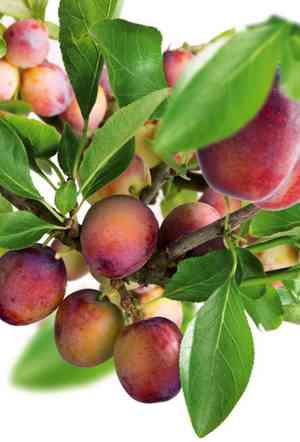
The most suitable period for relocating european plum is from late spring to midsummer, a delightful time when ground and atmospheric conditions are conducive to robust development. Choose a bright, adequately draining spot to guarantee a successful relocation. Adhere to particular guidelines as needed for a flourishing european plum.
What Preparations are Needed Before Transplanting European Plum?
What is the Ideal Time for Transplanting European Plum?
The optimal period to relocate your european plum is from late spring through mid-summer, as this promotes root growth and plant establishment. This timing guarantees robust, productive development for your perennial companion!
How Much Space Should You Leave Between European Plum Plants?
When moving your european plum, ensure each plant is positioned approximately 10-20 feet (3-6 meters) apart. This provides ample room for them to mature and reach their full potential!
What is the Best Soil Mix for European Plum Transplanting?
Your european plum will flourish in well-draining, loamy soil. Prepare the ground by enriching it with organic compost or aged manure. A balanced, slow-release fertilizer can also be added at this stage.
Where Should You Relocate Your European Plum?
Select a sunny location for your european plum that receives at least 6-8 hours of daily sunlight. This is crucial for proper growth and fruit development. Just ensure the spot is sheltered from strong winds to protect your plant!
What Equipments Should You Prepare Before Transplantation European Plum?
Gardening Gloves
To safeguard your hands while handling soil and the european plum plant.
Shovel or Spade
For excavating the hole in the ground where the european plum will be replanted.
Trowel
For extracting the european plum from its original spot and backfilling the hole around the plant after relocation.
Pruning Shears
To trim any damaged, dead, or diseased roots or branches on the european plum.
Watering Can or Hose
To irrigate the european plum once it has been moved.
Organic Compost
To enrich the planting hole with essential nutrients for the european plum.
Mulch
To aid in moisture retention and temperature regulation around the european plum after transplanting.
How Do You Remove European Plum from the Soil?
How Do You Remove European Plum from the Soil?
- From Ground:First, moisten the european plum plant to dampen the soil. Then, excavate a wide trench around the plant using a shovel or spade, ensuring the plant's root ball remains intact. Carefully work the spade beneath the root ball to lift the plant from its initial location.- From Pot:Water the european plum in its container to facilitate easier removal. Gently tilt the pot to one side while supporting the plant's base. Carefully slide the root ball out of the pot, keeping it as whole as possible. If the roots are tightly bound, gently loosen them to encourage better growth in the new spot.- From Seedling Tray:Dampen the soil around the seedling to help maintain the root ball when extracting it. Gently hold the seedling by its stem, and use a trowel or your fingers to scoop the seedling and its root ball out of the tray.
Step-by-Step Guide for Transplanting European Plum
Site Selection
Choose a location with adequate spacing that allows your european plum plant to grow to its mature size.
Hole Preparation
Using a shovel or spade, dig a hole that is twice the width of the root ball and equal in depth so that the european plum will be planted at its original soil level.
Enrich Soil
Add a generous amount of organic compost to the bottom of the hole and mix it with the soil to provide essential nutrients for the european plum.
Position european plum
Gently place the european plum root ball in the hole, ensuring the plant is at the same depth as it was in its original location.
Backfill
Fill in the hole around the european plum with the soil and organic compost mixture, gently firming the soil around the root ball to eliminate air pockets.
Water
Water the european plum thoroughly, soaking the root area to help settle the soil.
Mulch
Apply a 2-3 inch layer of mulch around the base of the european plum, leaving a small gap between the mulch and the plant's stem to prevent rot.
How Do You Care For European Plum After Transplanting?
Watering
Keep the soil around the european plum consistently moist, but not waterlogged, for the initial weeks after transplanting to aid in establishing strong roots.
Pruning
Remove any damaged, dead, or diseased branches with pruning shears, and trim the tips of healthy branches to encourage bushier growth.
Fertilization
After the first few weeks, apply a slow-release, balanced fertilizer around the european plum according to the package instructions to support its growth.
Pest and Disease Control
Regularly inspect the european plum for pests or diseases and address them promptly to maintain the plant's health.
Seasonal Care
Provide appropriate care and protection for the european plum during the dormant winter months, such as light pruning to maintain shape and prevent damage from heavy snow.
Troubleshooting Common Issues with European Plum Transplantation.
When is the best time to transplant european plum?
The optimal period to transplant european plum is late spring to mid-summer, allowing the plant to establish before winter.
What is the ideal spacing between european plum plants?
Ensure a spacing of 10-20 feet (3-6 meters) between european plum plants to provide adequate room for growth.
How deep should I dig the hole for european plum?
Dig a hole at least 2-3 times the width of the root ball and slightly deeper than its height.
What soil amendments should I use for transplanting european plum?
Incorporate compost, aged manure, or peat moss into the planting hole to enhance soil fertility and drainage.
How should I prepare european plum's root ball before transplanting?
Gently loosen and untangle the roots, removing any damaged or dead roots before placing in the planting hole.
How much do I need to water european plum after transplanting?
Water thoroughly, ensuring the soil is moist but not soggy. Water every 7-10 days for the first season.
What should I do if european plum appears stressed after transplanting?
Ensure proper watering and check for pests or diseases. A layer of mulch can also help maintain moisture.
How long does it take for european plum to establish after transplanting?
European plum usually takes 1-2 years to establish and may produce fruit in 3-5 years from transplanting.
Should I stake european plum after transplanting? If yes, how?
Yes, stake european plum for support during wind. Set stakes 12-18 inches (30-45 cm) deep and loosely tie the trunk.
How should I prune european plum after transplanting?
Prune european plum at planting to encourage a strong structure. Remove crossing branches and maintain an open center.



