How to Transplant Cherry laurel?
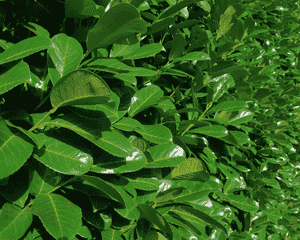
For optimal development, the most suitable period to relocate cherry laurel is during the early weeks of spring. Select a site featuring soil that drains effectively and receives either partial or complete sunlight. Handle the root mass with care during the transplanting process, and ensure consistent watering afterward.
What Preparations are Needed Before Transplanting Cherry Laurel?
What is the Ideal Time for Transplanting Cherry Laurel?
The optimal time to move cherry laurel is early spring, just as winter's cold subsides. This timing allows cherry laurel a full growing season to establish its root system, promoting robust growth. Your cherry laurel gains ample time to adapt to its new surroundings, thereby enhancing plant vitality and output.
How Much Space Should You Leave Between Cherry Laurel Plants?
When relocating cherry laurel, ensure a spacing of 6-8 feet (1.8-2.4 meters) between plants. This distance provides sufficient room for your plants to develop and spread. Do not be misled by their initial size!
What is the Best Soil Mix for Cherry Laurel Transplanting?
For a healthy beginning, prepare a rich, well-draining soil with a pH level between 6 and 7. Before planting cherry laurel, incorporate a balanced slow-release fertilizer, such as a 10-10-10 granular option, for an added nutrient boost.
Where Should You Relocate Your Cherry Laurel?
When selecting a site, remember that cherry laurel thrives in full sun to partial shade. A location receiving morning sun and afternoon shade is perfect. Ensure the chosen spot has adequate room for them to grow tall and wide.
What Equipments Should You Prepare Before Transplantation Cherry Laurel?
Gardening Gloves
To safeguard your hands while handling soil and cherry laurel.
Shovel or Spade
You'll need this tool to excavate the hole for cherry laurel's new location and to lift cherry laurel from its original spot.
Garden Shears
To trim any unnecessary branches and roots of cherry laurel prior to transplanting.
Watering Can or Hose
To ensure you can provide your cherry laurel plant with sufficient moisture after its relocation.
Wheelbarrow or Tarp
To assist in moving cherry laurel from its initial position to the new site.
How Do You Remove Cherry Laurel from the Soil?
How Do You Remove Cherry Laurel from the Soil?
From Ground: First, hydrate the cherry laurel plant to moisten the soil, which facilitates root extraction. Next, dig a wide trench around the plant using a shovel, making sure cherry laurel's root ball stays intact. Carefully work the spade beneath the root ball to lift the plant from its original spot.From Pot: Start by draining any excess water from the container. Turn the pot on its side and gently tap it to loosen the root ball. If the plant doesn't come out easily, you might need to run a knife along the pot's inner edge to help dislodge it.From Seedling Tray: Dampen the soil in the tray then carefully extract each cherry laurel seedling by gently separating the roots. Be sure to hold the seedlings by their leaves to prevent root damage.
Step-by-Step Guide for Transplanting Cherry Laurel
Preparation
Prepare the new planting site by digging a hole twice as wide and as deep as the cherry laurel's rootball.
Check Roots
Trim away any dead or overly long roots from the cherry laurel plant.
Placement
Position the cherry laurel plant in the hole, ensuring the top of its root ball is level with the surrounding ground surface.
Backfill
Refill the hole with the existing soil, gently firming it around the base of the cherry laurel plant.
Water
Thoroughly water the cherry laurel plant immediately after transplanting to help settle the soil and minimize transplant shock.
How Do You Care For Cherry Laurel After Transplanting?
Mulching
Apply a thick layer of organic mulch around the cherry laurel plant after transplanting, leaving some space around the stem to prevent rot.
Pruning
Lightly prune the cherry laurel plant after transplanting, removing any damaged or overcrowded branches to encourage new growth.
Watering
Ensure the cherry laurel is well-hydrated after transplanting, then water deeply once a week, adjusting based on rainfall and temperature.
Monitoring
Keep a close watch on your newly transplanted specimen, checking for any signs of disease, pests, or stress, and take necessary actions promptly.
Troubleshooting Common Issues with Cherry Laurel Transplantation.
When should I ideally carry out the transplantation of cherry laurel?
The optimal period to transplant your cherry laurel is at the very beginning of spring, which provides an ideal environment for relocation.
What's the most suitable distance to maintain between each cherry laurel during transplantation?
Maintain an appropriate gap of 6-8 feet (1.8-2.4 meters) between each cherry laurel to ensure they flourish without competing for resources.
What size of hole should I dig for transplanting cherry laurel?
Excavate a hole that is twice the width and the same depth as the root ball of your cherry laurel. This encourages root expansion.
What soil type is best for successful cherry laurel transplantation?
Cherry laurel prefers well-draining soil. Enrich it with organic matter to improve drainage and supply abundant nutrients, ensuring a successful transplant.
Does cherry laurel need watering right after transplantation?
Absolutely! Immediately after transplanting, thoroughly water your cherry laurel. This will help the soil settle around the roots and lessen transplant shock.
During transplantation, is pruning necessary for cherry laurel?
While not strictly essential, consider light pruning to remove any damaged or diseased branches. This will help the cherry laurel focus on root development.
How do I take care of the transplanted cherry laurel initially?
Monitor the soil moisture closely in the initial stages. Avoid allowing your cherry laurel to completely dry out or remain excessively soggy, as both can cause stress.
What pest pressures can affect the newly transplanted cherry laurel?
Cherry laurel can attract common pests such as aphids and caterpillars. If observed, use an environmentally friendly pesticide to minimize the impact on your plant.
How will I know if my transplanted cherry laurel isn't doing well?
Look for indicators like wilting, yellowing leaves, or stunted growth. These could signal transplanting problems such as root damage or disease.
Can I transplant cherry laurel which is too mature?
Relocating a mature cherry laurel can be risky due to its extensive root system. It's always best to transplant younger plant specimens.



