How to Transplant Chinese plum?
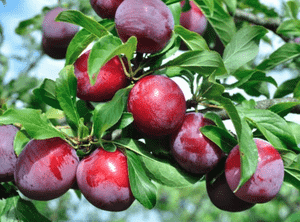
The optimal period for transplanting chinese plum is as winter transitions into early spring, ensuring vigorous root development. Select a location bathed in sunlight with soil that drains effectively. Execute the transfer meticulously to prevent undue strain on the fragile root system.
Necessary Preparations Before Relocating Chinese Plum?
When is the Best Time to Move Chinese Plum?
The perfect time for moving chinese plum is at the start of spring. During this revitalizing period, plants are emerging from dormancy, which aids root establishment and lessens transplant shock. Moving chinese plum at this point benefits from the cooler temperatures and increasing daylight, which are ideal for root growth without the strain of summer heat. As the soil begins to warm, chinese plum has an excellent chance to develop a strong root system before the arrival of hot summer days, ensuring a smooth transition and a promising growth season.
What Distance Should Be Maintained Between Chinese Plum Plants?
When moving your chinese plum, it's crucial to maintain a spacing of approximately 12-15 feet (3.7-4.6 meters) between each plant. This provides ample room for each to grow and flourish without competing for resources.
What is the Optimal Soil Blend for Chinese Plum Relocation?
To ensure a healthy chinese plum plant, begin with a loamy, well-draining soil. Incorporate a slow-release granular fertilizer at the base to supply the necessary nutrients for root development and strong growth.
Where Should You Replant Your Chinese Plum?
Select a garden location that receives full sun to partial shade. Chinese plum thrives with at least six hours of sunlight daily. An ideal spot would receive morning sun and afternoon shade.
What Tools Are Needed Before Moving Chinese Plum?
Gardening Gloves
To protect your hands while handling soil and plants.
Shovel or Spade
For digging a new hole and extracting the plant from its original spot.
Bucket
To transport your chinese plum plant and other implements.
Pruning Shears
To trim any dead or damaged roots.
Garden Hose or Watering Can
To hydrate the plant before and after its relocation.
Mulch
To safeguard the plant's root system post-transplant.
Gardening Scissors
For any minor trimming required.
A Wheelbarrow
For moving heavier soil and the chinese plum plant.
How to Extract Chinese Plum from the Ground?
How to Extract Chinese Plum from the Ground?
From Ground: Start by watering your chinese plum plant to moisten the soil, making extraction easier. Next, use a shovel or spade to cut a circle around the plant, typically about twice the size of the plant's root ball, ensuring the root ball stays intact. Carefully work the spade beneath the root ball and gently lift the plant from its initial position.From Pot: Carefully tilt the pot onto its side, then grasp the plant at its base and invert the pot. The chinese plum plant should slide out with its soil attached. If the plant resists, avoid forceful pulling to prevent root damage.From Seedling Tray: Gently push up from the bottom to remove the chinese plum plant with its soil. If the plant is stubborn, carefully ease each seedling out using a dibber or pencil, minimizing root disturbance.
Step-by-Step Guide for Moving Chinese Plum
Locating a Suitable Position
Find a spot in your garden that meets the previously mentioned sunlight and space requirements for your chinese plum plant.
Preparing the Plant
Water the chinese plum plant thoroughly in its current location a few hours or a day before moving it. This helps reduce stress on the plant during the process.
Excavating the Hole
Dig a hole at the new site that is twice the width of the root ball of your chinese plum plant.
Readying the Hole
Loosen the soil at the base and sides of the hole to facilitate easy root penetration.
Relocating
Position the chinese plum plant in the hole, ensuring the top of the root ball is level with the soil surface. Backfill the hole with soil, pressing it down gently to remove any air pockets.
Watering
Thoroughly water the plant immediately after relocation.
Mulching
Apply a layer of mulch around the plant, but not touching the stem, to retain moisture and suppress weeds.
How to Care for Chinese Plum After Relocation?
Watering
After moving, consistently water your chinese plum plant to keep the soil uniformly moist but not excessively wet. Remember to adjust your watering schedule based on weather changes, as too much water can cause root rot.
Pruning
Lightly prune your chinese plum plant after relocation to encourage new growth. Remember not to over-prune as the plant needs its leaves for photosynthesis.
Monitoring
Regularly check your chinese plum plant for any indications of transplant shock, such as wilting or yellowing leaves. If observed, ensure the plant receives adequate water and is shielded from harsh weather conditions.
Protection
Utilize a plant guard or fence to shield the newly moved chinese plum from pests or pets until the plant is fully established.
Resolving Common Issues with Chinese Plum Relocation.
When is the best time of year to move chinese plum?
The ideal time to move chinese plum is from early spring to late summer. This allows the plant ample time to adapt to its new location before winter.
What should be the spacing between chinese plum trees?
Maintain a distance of 12 to 15 feet (3.6 to 4.6 meters), providing each tree sufficient sunlight and airflow, promoting healthy development.
How deep should the hole be for moving chinese plum?
The hole should be twice as wide and the same depth as the root ball. This ensures that chinese plum roots can easily spread out.
What kind of soil is best for moving chinese plum?
Chinese plum prefers well-draining soil with a slightly acidic to neutral pH. If your soil is heavy clay or very sandy, amend it with organic matter to improve its texture and nutrient content.
How often should I water chinese plum after moving?
Water chinese plum thoroughly after moving, then regularly as the top 1inch (2.5cm) of soil dries. Avoid waterlogging as it can harm the roots.
How long will it take for chinese plum to settle after being moved?
Chinese plum might take a few weeks to several months to fully establish post-relocation. During this period, ensure it receives appropriate water, sunlight, and nutrients.
Why are the leaves of my moved chinese plum turning yellow?
Chinese plum's yellowing leaves could indicate overwatering or a lack of nutrients. Check soil moisture and adjust watering or fertilize as necessary.
Can I move chinese plum in the winter?
Moving chinese plum in winter is not advised. The plant may struggle with cold, potentially damaging its roots. Stick to the S1-S2 period for optimal results.
Should I prune chinese plum when moving?
Pruning chinese plum before moving isn't always essential but it helps. Removing some of the top growth can lessen stress on the plant and aid in root development.
Why is my moved chinese plum not producing fruit?
Chinese plum may not bear fruit immediately post-relocation due to stress. Patience, proper care, and ensuring the right growing conditions should lead to a good yield in subsequent seasons.



