How to Transplant Common chokecherry?
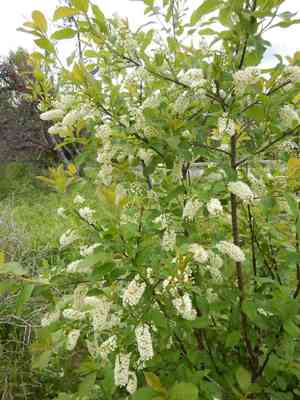
The ideal period for relocating common chokecherry spans from the end of spring to the middle of summer, a time of robust development. Select a site with ample sunlight or partial shade, ensuring the soil drains effectively. Should it be required, furnish young specimens with stabilization during their early developmental phases.
What Preparations are Needed Before Transplanting Common Chokecherry?
What is the Ideal Time for Transplanting Common Chokecherry?
The optimal period for relocating common chokecherry falls within the pleasant stretch from late spring to mid-summer. This timing promotes robust root establishment and minimizes stress, ensuring your common chokecherry flourishes beautifully!
How Much Space Should You Leave Between Common Chokecherry Plants?
For a thriving and content common chokecherry plant, provide ample room for development by spacing each one approximately 20-30 feet (6-9 meters) apart. This will facilitate optimal growth and prevent congestion.
What is the Best Soil Mix for Common Chokecherry Transplanting?
To ensure your common chokecherry prospers, prepare the soil with a well-draining and slightly acidic mixture. Incorporating a base fertilizer rich in phosphorus and potassium will also aid in fostering strong root development.
Where Should You Relocate Your Common Chokecherry?
Select a location for your common chokecherry that receives abundant sunlight, ideally full sun or partial shade. This will guarantee it obtains the necessary energy to grow vigorously and produce lovely blossoms.
What Equipments Should You Prepare Before Transplantation Common Chokecherry?
Gardening Gloves
To safeguard your hands while handling soil and plants.
Shovel or Garden Spade
For excavating the transplanting hole and assisting in the removal of the plant from its original spot.
Pruning Shears
To trim and cut away any damaged or lifeless branches.
Watering Can or Hose
To hydrate the plant before and after its relocation.
Tarp or Wheelbarrow
For moving the plant to its new site.
Organic Matter
To enhance soil quality and supply nutrients to the plant.
Stakes and Ties (optional)
To provide support for taller or top-heavy plants.
How Do You Remove Common Chokecherry from the Soil?
How Do You Remove Common Chokecherry from the Soil?
- From Ground:First, moisten the common chokecherry plant to dampen the soil. Next, excavate a wide trench around the plant using a shovel or spade, ensuring the plant's root ball remains intact. Carefully work the spade beneath the root ball to lift the plant from its initial position.- From Pot:Water the common chokecherry plant and gently loosen the soil around the pot's edges. Invert the pot while supporting the base of the plant stem with one hand, and carefully separate the pot from the root ball. Exercise caution to avoid damaging the roots during this process.- From Seedling Tray:Utilize a small tool or your fingers to carefully loosen the soil surrounding each common chokecherry seedling. Gently lift the seedling by grasping its leaves, not the stem, to prevent plant damage. Be careful not to disturb adjacent seedlings when extracting the desired plant.
Step-by-Step Guide for Transplanting Common Chokecherry
Site Preparation
Clear the transplanting area of any weeds, debris, or stones. Spread a layer of organic material, such as compost or well-rotted manure, over the planting zone and use a garden fork to incorporate it into the soil.
Digging the Hole
Use a shovel or garden spade to excavate a hole that is twice the width and the same depth as the common chokecherry's root ball. Keep the removed soil nearby for refilling the hole.
Placing the Plant
Gently lower the common chokecherry plant into the hole, ensuring the root ball is level with the surrounding soil surface. Spread the roots out within the hole so they are not constricted or tangled.
Backfilling the Hole
Return the excavated soil to the hole, covering the root ball and filling any voids. Firmly compact the soil around the plant to eliminate air pockets and stabilize the plant in its new location.
Watering
Thoroughly water the common chokecherry immediately after transplanting, ensuring the water penetrates the soil and reaches the plant's roots.
Support (if applicable)
For taller or top-heavy plants, secure the common chokecherry plant with stakes and ties to provide stability and prevent harm.
How Do You Care For Common Chokecherry After Transplanting?
Watering
Water the common chokecherry plant deeply and regularly during the initial weeks post-transplant to aid in establishing strong roots. Monitor soil moisture and adjust irrigation based on the plant's requirements.
Pruning
Periodically inspect the common chokecherry for damaged, dead, or diseased branches and prune them with pruning shears to maintain plant health.
Pest Control
Keep an eye out for common pests and address any infestations using appropriate pest management techniques.
Mulching
Apply a layer of organic mulch around the base of the common chokecherry to conserve moisture, regulate soil temperature, and suppress weeds.
Troubleshooting Common Issues with Common Chokecherry Transplantation.
What are the best months to transplant common chokecherry?
Late spring to mid-summer is the prime period for relocating common chokecherry, as they have a greater chance of flourishing.
What is the ideal spacing for common chokecherry transplantation?
Ensure a distance of 20-30 feet (6-9 meters) between each common chokecherry to provide ample room for healthy growth.
How deep should I dig the hole for common chokecherry transplantation?
Excavate the hole approximately twice the width and depth of the root ball or container, to allow sufficient space for roots.
How do I properly water common chokecherry after transplanting?
Water it thoroughly right after transplanting. Maintain moist soil but avoid over-watering to prevent root rot.
Can common chokecherry grow close to other trees or shrubs?
It's best to provide generous space, as they can compete for nutrients, water, and sunlight if planted too near.
Should I trim roots before transplanting common chokecherry?
Trim any damaged or dead roots, but refrain from cutting healthy roots, as this may impede the plant's growth.
What should I do to ensure a successful common chokecherry transplant?
Consider factors like season, appropriate spacing, watering, and soil fertility to guarantee a successful common chokecherry transplant.
Which type of soil is best for common chokecherry transplantation?
Common chokecherry prefers well-drained, slightly acidic to neutral soil. Enrich it with organic matter to enhance fertility.
What happens if common chokecherry is transplanted too deep?
Planting common chokecherry too deeply may lead to issues such as root rot, reduced oxygen, and stunted development.
Should I stake the transplanted common chokecherry?
Stake only if necessary, as common chokecherry generally doesn't require staking. Nevertheless, do so in high-wind areas for support.



