How to Transplant Chinese quince?
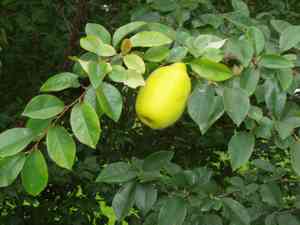
The ideal period for relocating chinese quince is amidst the mild temperatures of late spring through early summer. Choose a bright spot with soil that drains effectively to guarantee the robust growth of chinese quince. Exercise caution during handling to safeguard its fragile root structure.
What Preparations are Needed Before Transplanting Chinese Quince?
What is the Ideal Time for Transplanting Chinese Quince?
The optimal period to relocate chinese quince is from mid to late spring, or as the warmth of early summer begins. This timeframe typically offers the most favorable conditions for chinese quince roots to establish in their new environment, due to mild temperatures and consistent moisture. The warmth and extended daylight of the spring to early summer transition promote vigorous growth, while the soil is warm and manageable yet not excessively dry or hot, minimizing stress on chinese quince. Transplanting during this period optimizes root establishment before the full intensity of summer, ensuring a robust, healthy plant. Choosing this season for transplantation will provide your chinese quince the gentle boost it needs for a thriving start, enhancing its growth and vitality.
How Much Space Should You Leave Between Chinese Quince Plants?
When relocating chinese quince, proper spacing is vital for optimal development. Ideally, position each plant approximately 10-12 feet (3-3.7 meters) apart. This provides them ample room to flourish without overcrowding.
What is the Best Soil Mix for Chinese Quince Transplanting?
Chinese quince prefers soil that drains well and is loamy. To prepare the soil, begin by tilling or loosening the top layer. Then, incorporate a slow-release granular fertilizer. This will supply chinese quince with essential nutrients for good establishment.
Where Should You Relocate Your Chinese Quince?
For chinese quince to thrive, place your plant in a location that receives full sunlight. However, a spot with partial shade can also be suitable. The sun's energy will ensure chinese quince grows lush and strong.
What Equipments Should You Prepare Before Transplantation Chinese Quince?
Gardening Gloves
To safeguard your hands while handling soil and chinese quince.
Shovel or Spade
For digging and removing soil around chinese quince. Useful for both extracting the plant from its original spot and preparing the new planting hole.
Pruners
To trim any damaged or excessively long roots during the transplanting process.
Watering Can or Hose
To irrigate the chinese quince during and after its relocation.
Tarpaulin or Wheelbarrow
To move the chinese quince from its initial location to the new planting site.
Stakes
To support chinese quince after transplant and prevent it from leaning or falling over until it develops strong roots.
Mulch
To help maintain soil moisture around chinese quince after transplant.
How Do You Remove Chinese Quince from the Soil?
How Do You Remove Chinese Quince from the Soil?
From Ground: Start by watering the chinese quince to moisten the soil, making excavation easier. Use a shovel to dig a wide, shallow trench around the plant, ensuring the rootball remains intact. Gradually work the spade beneath the root ball, being careful not to harm the roots. Once the soil is sufficiently loosened, lift the plant from its original spot. If chinese quince is quite large, you might need assistance to lift it.From a Pot: Again, begin by watering the chinese quince to moisten the soil. Invert the pot and gently tap its bottom edge to dislodge the plant. Support the plant's base as you do this to avoid causing damage. Once the plant is out, you can carefully remove loose soil from around the roots.From a Seedling Tray: Water the chinese quince seedling and use a small tool or your fingers to carefully lift the seedling from the tray. Handle it by the leaves, not the stem, to prevent injury.
Step-by-Step Guide for Transplanting Chinese Quince
Prep Work
After extracting chinese quince from its initial location, gently shake or brush off excess soil from the roots. Use pruners to trim any damaged or overly long roots. Proper root care is vital for the survival of chinese quince after transplant.
Prepare Transplant Hole
Dig a hole at the new site, ensuring it is twice as wide and no deeper than the rootball's height. This will provide the plant's roots ample space to spread.
Planting
Carefully place the chinese quince in the hole, making sure the top of the rootball is level with the ground. Backfill the hole halfway with soil, then water thoroughly to eliminate any air pockets. After the water drains, fill the remainder of the hole with soil and water again.
Support Setup
Depending on the size of your plant, it may require stakes for support in the initial days after transplanting until its roots establish. Place the stakes in the ground and gently tie chinese quince for support.
How Do You Care For Chinese Quince After Transplanting?
Staking
Depending on the size and stability of chinese quince, you might need to stake the plant to provide support as it establishes its roots. Ensure not to tie the tree too tightly and adjust the ties as the plant grows to prevent damage.
Watering
Ensure the soil around chinese quince remains consistently moist, but not waterlogged, during the first few weeks after transplanting. This will aid in root establishment.
Pruning
Remove any broken or dead branches after transplanting to encourage new growth.
Mulching
Apply a layer of mulch around the base of the tree after transplanting. This helps in maintaining soil moisture and temperature, as well as deterring weed growth.
Troubleshooting Common Issues with Chinese Quince Transplantation.
When is the best time to transplant chinese quince?
The ideal period for relocating chinese quince is between late spring (S2) and early autumn (S4). This allows the plant time to establish roots before winter.
What are the spacing requirements for chinese quince?
Maintaining a distance of 10-12 feet (approximately 3-3.7 meters) between each chinese quince will provide them adequate space to thrive and allow optimal sunlight penetration.
How should I prepare the soil for chinese quince transplant?
Ensure the soil is well-drained and enrich it with organic matter. Check the pH level; chinese quince prefers a slightly acidic to neutral pH range of 6.0 to 7.0.
Should I water chinese quince immediately after transplanting?
Yes, you should. Hydrate the plant thoroughly right after transplanting to help rebalance disturbed roots; they'll recover quicker from the shock of their new location.
What can I do if the chinese quince has transplant shock?
First, assess its water needs and sunlight exposure. If the shock persists, consider using transplant fertilizers or anti-shock products to aid recovery.
Why are the leaves of my transplanted chinese quince turning yellow?
Yellow leaves might indicate overwatering, nutrient deficiency, or insufficient light. Adjust the care conditions based on these potential issues.
How deep should I plant chinese quince?
Dig a hole twice as wide and equally deep as the root ball. Ensure the plant settles at the same depth it was previously growing.
What about fertilizing chinese quince after transplanting?
After transplanting, wait 4 to 6 weeks before applying a balanced slow-release fertilizer. The plant needs time to adjust to its new environment first.
Can I transplant chinese quince in full sun?
Chinese quince thrives best in full sun to partial shade. However, during transplanting, provide some shelter to reduce potential transplant shock.
How can I ensure successful transplanting of chinese quince?
Care for the plant with proper spacing, watering, soil preparation, and post-transplant care. By doing this, and transplanting at the right season, you can ensure its successful relocation.



