How to Transplant Golden larch?
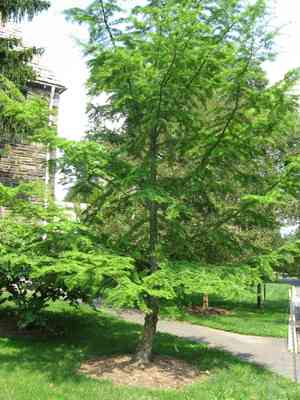
The most favorable period for relocating golden larch is at the onset of spring. Choose a bright area featuring soil that drains effectively. Should the site be susceptible to late freezes, offer protection. Verify that golden larch obtains steady hydration following its relocation.
What Preparations are Needed Before Transplanting Golden Larch?
What is the Ideal Time for Transplanting Golden Larch?
The optimal period for relocating golden larch is when winter's grip loosens and early to mid-spring's vitality emerges. This timing is crucial as it allows the golden larch's root system to establish in cool soil, benefiting from increasing daylight and warmer temperatures to stimulate new growth. A strong start during this phase leverages the season's natural cycles, fostering robust root development before summer's heat stress. This well-timed transplant ensures golden larch thrives, utilizing spring's energetic surge for peak growth.
How Much Space Should You Leave Between Golden Larch Plants?
When moving golden larch, remember to provide ample room. A good guideline is to maintain a distance of 10-15 feet (3-4.5 meters) between each plant. This guarantees they have sufficient space to develop without competing for resources.
What is the Best Soil Mix for Golden Larch Transplanting?
Before relocating, prepare the ground! Golden larch prefers soil that drains well, such as loamy or sandy types. Incorporating an all-purpose base fertilizer will supply necessary nutrients. Blend it with the existing soil to ensure even distribution.
Where Should You Relocate Your Golden Larch?
Placement is vital! Golden larch flourishes in areas receiving full sun to partial shade. If possible, select a garden spot that gets ample sunlight, especially in the morning. This will aid in the healthy development of your plant.
What Equipments Should You Prepare Before Transplantation Golden Larch?
Gardening Gloves
To safeguard your hands from potential thorns and rough soil while handling golden larch.
Shovel or Spade
Needed for excavating the plant from its original spot, and for creating a new cavity at the transplant site.
Pruning Shears
Used for trimming roots and branches (if necessary) when getting the golden larch ready for relocation.
Garden Trowel
Helpful for adjusting soil around the base of golden larch after it has been moved.
Watering Can/Hose
Essential for providing water to moisten the soil and keep the plant hydrated.
Burlap
This material can be used to keep the root ball intact when moving the plant, especially if it is large size.
How Do You Remove Golden Larch from the Soil?
How Do You Remove Golden Larch from the Soil?
From Ground: Begin by thoroughly watering the golden larch plant to moisten the soil. This facilitates easier digging of the root ball. Use a spade or shovel to carefully excavate around the plant, ensuring the root ball remains intact. Gradually work the spade beneath the root ball to lift the plant out.From Pot: First, water the golden larch plant to soften the soil. Invert the pot and gently tap it at various points to allow the plant to slide out. If a light tap isn't effective, you might need to use a knife to loosen the soil along the pot's edges. Avoid pulling the plant by its stem.From Seedling Tray: Water the seedlings, then use a spoon or small trowel to carefully lift the golden larch plant from the tray. Exercise extra caution with seedlings as they are more delicate.
Step-by-Step Guide for Transplanting Golden Larch
Inspect the Plant
Examine the golden larch plant thoroughly to confirm its health. Look for any indications of pests or diseases.
Prepare the Plant
Water the plant one day prior to your intended transplant. This will help reduce the shock of being moved.
Next Day Digging
On the day of transplantation, dig a hole in the new location large enough to accommodate the golden larch plant's root ball. The hole should be as deep as your root ball and twice its width.
Transplant
Gently place the golden larch plant into the hole. Ensure the top of the root ball is level with the ground surface. Fill the remaining space around the roots with soil, gently firming it into place.
Water
Once transplanted, thoroughly water the golden larch.
How Do You Care For Golden Larch After Transplanting?
Watering
Continue to keep the golden larch well-hydrated after transplanting, particularly for the initial couple of weeks. This aids the plant in recovering from transplant shock and adapting to its new environment.
Mulching
Applying a layer of mulch around the base of the golden larch can help retain soil moisture and suppress weed growth.
Pruning
Avoid extensive pruning immediately after transplanting. However, any clearly dead or damaged branches can be removed.
Monitoring
Closely observe the golden larch for a few weeks, watching for any signs of stress, such as wilting or browning leaves. These could indicate that the plant is not adjusting well to its new home.
Troubleshooting Common Issues with Golden Larch Transplantation.
When is the ideal time to transplant golden larch?
The optimal period to transplant golden larch is during S1-S2. This allows the plant to establish its root system before the active growth phase begins.
How much spacing should I keep between golden larch when planting?
To ensure optimal growth for golden larch, maintain a distance of approximately 10-15 feet (3-4.5 meters) between each plant.
What is the effect of not watering golden larch enough after transplant?
Insufficient watering can lead to wilting and negatively impact the overall health of golden larch. Always keep the transplanted soil moist, but not waterlogged.
How to prevent shock in golden larch post-transplant?
Gradually introduce golden larch to its new surroundings before transplanting, limit initial sun exposure, and ensure consistent watering.
What if golden larch is not performing well after transplanting?
Golden larch may require additional attention. Verify appropriate sunlight, ensure adequate hydration, and check for pests/diseases. Do not hesitate to seek expert advice.
Why do the leaves of golden larch start to wilt after transplanting?
Wilting could indicate transplant shock. Ensure golden larch is receiving proper care, sufficient water, and protection from environmental factors.
Can I transplant golden larch in a container?
Yes, you can. However, select a container that offers ample space for golden larch's root system to expand, and provides good drainage.
How deep should I plant golden larch after transplanting?
The depth should be roughly equivalent to the golden larch's root ball. Planting too shallow or too deep can hinder the plant's development.
What's the most optimal soil type for transplanting golden larch?
Golden larch thrives best in well-draining, fertile soil. Enhancing your soil with organic matter can improve its fertility and structure.
What should I do if my golden larch is growing too slow after transplanting?
Slow growth might suggest stress or a lack of nutrients. Ensure optimal care, consider using a balanced, slow-release fertilizer to boost golden larch's growth.



