How to Transplant Chinese wingnut?
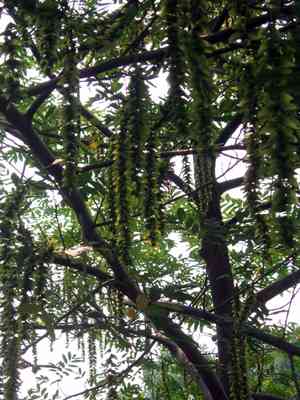
The most suitable period for transplanting chinese wingnut is the pleasant warmth of late spring, providing a combination of sufficient development time and temperate conditions. Preferably, choose a bright location with soil that drains effectively to foster robust development. Be aware that juvenile chinese wingnut exhibit greater flexibility and root more rapidly.
Preparations Required Before Relocating Chinese Wingnut
Optimal Period for Moving Chinese Wingnut?
The best time for establishing chinese wingnut is during the peak of its growth cycle, specifically mid-spring. This timeframe provides ideal conditions for root development before the intense summer heat. Moving chinese wingnut once spring weather is stable and frost risk has passed allows the plant to benefit from moderate temperatures and increasing daylight. This season promotes strong root growth and reduces stress, giving chinese wingnut the best start in its new spot. Choose this period to ensure your chinese wingnut flourishes with vigor!
Required Spacing Between Chinese Wingnut Plants?
When relocating your chinese wingnut, ensure a minimum of 10-15 feet (3-4.5 meters) between each young plant. This spacing allows them to develop and thrive without competing for nutrients and sunlight. Remember to use a measuring tape for accurate placement!
Best Soil Mixture for Chinese Wingnut Relocation?
Prior to moving your chinese wingnut, enrich the soil by incorporating ample well-decomposed compost or organic material. An initial fertilizer rich in nitrogen, phosphorus, and potassium would be perfect. This preparation will nourish your plant and support healthy development.
Where to Replant Your Chinese Wingnut?
Your chinese wingnut requires a sunny spot to flourish. Find a location that receives approximately six hours of sunlight daily, but with some afternoon shade to shield it from harsh, direct sun. An east or west-facing area in your garden would be ideal!
Equipment Needed Before Relocating Chinese Wingnut
Gardening Gloves
To safeguard your hands from dirt and sharp objects while handling the plant.
Trowel
A small, robust tool used for digging, leveling, or otherwise manipulating soil.
Shovel
Useful for excavating around your chinese wingnut plant's root ball in preparation for its removal.
Watering Can
For hydrating the plant before and after the relocation process.
Garden Fork
Helps to gently lift the plant from its current position without harming the root ball.
Wheelbarrow
For safely and securely transporting the plant to its new site.
Pruning Shears
Beneficial for trimming any diseased or dead parts of the plant before moving it.
How to Extract Chinese Wingnut from the Ground?
How to Extract Chinese Wingnut from the Ground?
From Ground: Start by watering the chinese wingnut plant to moisten the soil. Using a shovel, dig around the plant's base, remembering that its roots can spread as wide as its branches. Carefully lift the plant from its spot, taking care not to damage the main roots.From Pot: Begin by watering the plant to facilitate easier removal. Tilt the pot sideways, grip the base of the chinese wingnut plant, and gently ease it out. If the plant is stuck, tap the pot's sides to loosen the soil and roots.From Seedling Tray: If the chinese wingnut plant is a seedling, you can gently squeeze the bottom of its cell or invert the tray and tap it until the seedling emerges. Be cautious not to pull on the stem or leaves, as this could injure the plant.
Step-by-Step Guide for Relocating Chinese Wingnut
Preparation
Thoroughly water the chinese wingnut plant several hours before moving it. This helps the plant better endure the shock of relocation and also dampens the soil, making the plant easier to extract.
Digging
Excavate a hole in your chosen location. The hole should be twice the width of the root ball and equally deep. If you're replacing an existing plant with the chinese wingnut plant, ensure all remnants of the previous plant are removed, including roots and old soil.
Relocating
Carefully place the chinese wingnut into the hole. Adjust the plant until its uppermost roots are level with or slightly below the soil surface. Then, backfill the hole with garden soil, gently firming it down as you proceed.
Watering
After relocating, water the plant thoroughly to help the soil settle around the roots. Avoid overwatering; stop once you observe water beginning to pool on the surface.
Post-Relocation Care for Chinese Wingnut
Monitoring
Regularly observe your chinese wingnut plant for indications of stress, such as wilting or yellowing leaves. If these appear, check the soil moisture, as both over-watering and under-watering are common issues after relocation.
Pruning
You may trim the chinese wingnut plant to encourage new growth. However, avoid extensive pruning in the initial year as it can stress the recently relocated plant.
Mulching
Apply mulch around the base of your chinese wingnut, but ensure it's not piled against the trunk. Mulching helps retain moisture and inhibits weed growth.
Protection
Shield your newly relocated chinese wingnut plant from severe weather conditions. If cold weather is anticipated, cover the plant with a frost blanket.
Troubleshooting Common Issues with Chinese Wingnut Relocation.
When is the ideal time to move chinese wingnut?
The perfect time to relocate chinese wingnut is during the S2 season. This timing allows for optimal adjustment and development.
What distance should I maintain between each chinese wingnut when planting?
To ensure each chinese wingnut has sufficient room to grow, aim to keep a gap of approximately 10-15 feet (3-4.5 meters) between every plant.
What steps should I take before relocating chinese wingnut?
To prepare for moving chinese wingnut, first, confirm the plant is healthy and free of disease or pests. Then water the plant thoroughly a few hours prior to the move.
How deep should I plant chinese wingnut?
Plant chinese wingnut at the same depth it was growing in its previous spot. This can usually be identified by the soil line on the trunk.
What should I do if chinese wingnut leaves turn yellow after relocation?
Yellow leaves might indicate the plant is under stress. Ensure chinese wingnut receives adequate water and sunlight. If the issue persists, evaluating soil conditions may be necessary.
How long should I wait before watering the plant after relocating chinese wingnut?
Water chinese wingnut immediately after relocation. Continue regular watering until the plant shows signs of new growth, indicating it has established.
Why is my relocated chinese wingnut not growing?
Several factors could impact growth. Ensure chinese wingnut is getting enough sunlight, the soil conditions are appropriate, and the plant is not over or under-watered. Patience is crucial!
What are the ideal soil conditions for chinese wingnut?
Chinese wingnut prefers well-drained soil with a slightly acidic pH. Enriched organic matter in the soil helps boost the growth and resilience of these plants.
How to protect relocated chinese wingnut from pests and diseases?
Regularly inspect chinese wingnut for pest infestations and disease symptoms. Apply organic or chemical pesticides when needed. Proper spacing and airflow can decrease the likelihood of disease.
Can I relocate chinese wingnut in seasons other than S2?
While S2 is optimal, chinese wingnut can also be moved at other times. Avoid extreme weather conditions as it might stress the plant and hinder its growth.



