How to Transplant Common lungwort?
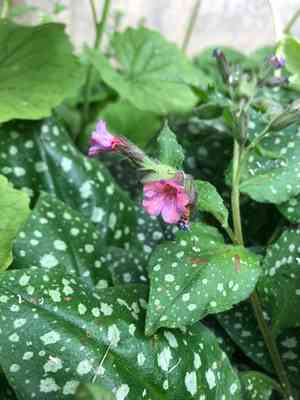
The ideal time to relocate common lungwort is from the end of spring into the beginning of summer, offering mild temperatures and a consistent setting. Choose a location with partial shade and soil that drains effectively to foster vigorous development. Should it be beneficial, grouping plants together can offer shared shade and reinforcement.
What Preparations are Needed Before Transplanting Common Lungwort?
What is the Ideal Time for Transplanting Common Lungwort?
The optimal period to relocate common lungwort is during the thriving core of late spring to early summer, enabling it to establish under favorable conditions. Moving common lungwort at this time ensures a smooth transition, as the warming ground and consistent moisture greatly aid root development. This perfectly aligns with common lungwort's growth cycle, promoting plant vitality. With a gentle reminder, this is when common lungwort can best adapt to new surroundings, setting the stage for a vibrant display next season!
How Much Space Should You Leave Between Common Lungwort Plants?
Begin by allocating sufficient room for your common lungwort plants. Ideally, for optimal growth, ensure they are spaced 1-1.5 feet (0.3-0.45 meters) apart. This will provide them with the perfect amount of space to flourish!
What is the Best Soil Mix for Common Lungwort Transplanting?
Common lungwort requires soil that drains well. Therefore, prepare the base with loamy or sandy soil. Additionally, enrich it with a quality organic fertilizer. This soil condition is a reliable way to guarantee your common lungwort plants thrive.
Where Should You Relocate Your Common Lungwort?
Regarding placement, common lungwort flourishes in partially shaded areas with filtered sunlight. Thus, selecting a spot that offers a good balance of sun and shade would be ideal for its growth journey.
What Equipments Should You Prepare Before Transplantation Common Lungwort?
Gardening Gloves
To safeguard your hands while handling soil and common lungwort.
Shovel or Spade
For excavating common lungwort from its original spot and also for preparing the new planting hole.
Pruning Shears
To trim any dead or excessive branches to encourage easier growth of common lungwort after relocation.
Garden Trowel
Smaller than a spade, it is useful for positioning the plant into its new location.
Watering Can
To gently hydrate the common lungwort during and after the transplanting process.
Mulch
To assist in retaining moisture around the transplant area and minimize potential weed growth.
How Do You Remove Common Lungwort from the Soil?
How Do You Remove Common Lungwort from the Soil?
From the Ground: Before extracting the common lungwort plant, ensure to water the surrounding ground to soften the soil and lessen root stress. Then, carefully dig around the plant, ideally starting a few inches from its base to avoid damaging the root ball. Make sure the hole is wide enough to encompass all roots. Use your trowel or spade to gently lift the plant, ensuring most roots remain intact.From a Pot: Water the common lungwort and allow it to settle. Then, place your hand at the plant's base, with the stem between your fingers. Carefully invert the pot and gently ease out the plant. Try to keep as much of the original soil as possible around the roots.From a Seedling Tray: For seedlings, ensure common lungwort has developed at least two sets of true leaves. Water the tray, then carefully tip it upside down or push the plant out from the bottom. When handling, touch only the leaves to minimize potential damage to the stem or roots.
Step-by-Step Guide for Transplanting Common Lungwort
Preparing New Site
Excavate a hole, twice the width of the common lungwort's root ball. The depth should be roughly equivalent to the root ball's height. If not, adjust as needed.
Placing Plant
Position the common lungwort in the hole, ensuring the top of the root ball is level with the surrounding soil surface. Backfill around the common lungwort with the excavated soil until three-quarters of the hole is covered.
Watering
Gently water the common lungwort, making sure water does not accumulate around the plant's base. Once water drains, continue backfilling the hole with soil.
Mulching
Distribute a layer of mulch around the base of the common lungwort. Be careful not to pile mulch against the stem.
Final Touches
Verify the common lungwort's proper orientation and make minor adjustments. Now, give your common lungwort a gentle but thorough watering.
How Do You Care For Common Lungwort After Transplanting?
Consistent Check
Regularly inspect the common lungwort to confirm it's adapting well to its new environment. Watch for any signs of stress such as wilting, yellowing, or drooping leaves.
pest and Disease Control
Keep an eye out for any indications of pests or diseases. If observed, identify the problem and seek advice from a local nursery or extension service.
Pruning
Trim off any dead or damaged foliage to help the common lungwort direct its energy towards developing new roots and leaves.
Troubleshooting Common Issues with Common Lungwort Transplantation.
What's the optimal time of the year to transplant common lungwort?
The best time to transplant common lungwort is during late summer to early autumn (S3-S4). This allows the plant time to establish roots before winter.
What is the ideal space requirement when transplanting common lungwort?
Provide each common lungwort with approximately 1 to 1.5 feet (30-45 cm) of space. This promotes healthy root and foliage growth without overcrowding.
Why are my transplanted common lungwort wilting?
If your common lungwort is wilting post-transplant, it may be due to transplant shock. Water the plant thoroughly and keep it out of direct sunlight for a few days to aid its recovery.
Should I prune common lungwort before transplanting?
Pruning is not typically required before transplanting common lungwort. However, removing any damaged or diseased leaves can redirect energy towards root and new growth.
Can I transplant common lungwort in any kind of soil?
Common lungwort prefer fertile, moist but well-drained soil. If your soil is not conducive, incorporate compost or organic material to improve the soil condition before transplanting.
What depth should I transplant common lungwort?
Transplant common lungwort so the crown of the plant is level with or slightly below the soil surface. This helps ensure the roots can establish properly.
How should I water common lungwort after transplanting?
Water common lungwort thoroughly immediately after transplanting. Afterwards, ensure it remains consistently moist but not waterlogged, as this can cause root rot.
Do I need to fertilize common lungwort after transplanting?
A slow-release granular fertilizer applied at the time of planting will nourish common lungwort and help it establish roots. Avoid high nitrogen fertilizers as they can burn the young roots.
Can I transplant common lungwort in full sun?
Common lungwort can tolerate a variety of light conditions, but they prefer partial shade. Full sun may require more frequent watering and can scorch the leaves.
What should I do if the leaves of my transplanted common lungwort turn yellow?
Yellow leaves may suggest overwatering, disease, or nutrient deficiency. Adjust watering habits and examine the plant for possible infections. A balanced fertilizer may help combat nutrient issues.



