How to Transplant Common pear?
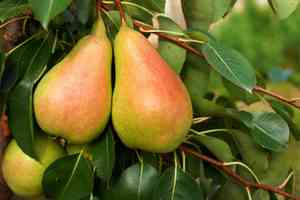
For relocating a common pear, select the optimal period from late spring through midsummer, when temperatures are consistently mild. Pick a site featuring soil that drains effectively and receives abundant sunlight. Carefully untangle the roots prior to transplanting to foster robust development.
Essential Preparations Before Relocating Common Pear?
Optimal Period for Transplanting Common Pear?
The ideal window for relocating common pear spans from late spring to mid-summer. This timing ensures robust root development, ample warmth, and sufficient nutrients, promoting successful establishment and abundant yields.
Required Spacing Between Common Pear Plants?
When transplanting common pear, an optimal spacing of 15-20 feet (4.6-6.1 meters) is recommended. This provides adequate room for healthy development and prevents overcrowding. Happy gardening!
Best Soil Mixture for Common Pear Relocation?
For common pear, select a well-draining, fertile loam or sandy loam. A pH range of 6.0-6.5 is suitable. Incorporate 2-3 inches (5-7.5 cm) of compost or aged manure to enrich the soil during preparation.
Selecting the New Location for Your Common Pear?
Choose a site that receives full sun (at least 6 hours of direct sunlight daily) for common pear. This supports vigorous growth and maximum fruit production. A location offering some shelter from strong winds is also advisable.
Necessary Equipment for Common Pear Transplantation?
Gardening Gloves
To safeguard your hands while handling soil and plants.
Shovel or Spade
For excavating holes and extracting plants from their initial spot.
Garden Trowel
For planting and digging smaller depressions.
Watering Can or Hose
To hydrate the plant before and after its relocation.
Pruning Shears
For trimming any dead or damaged stems.
Slow-Releasing Fertilizer
To encourage strong root growth in the new environment.
Mulch
To maintain moisture and regulate temperature around the plant.
Support Stakes
For stabilizing the plant during its initial growth phases.
Method for Extracting Common Pear from the Ground?
Method for Extracting Common Pear from the Ground?
- From Ground:First, thoroughly water the common pear plant to moisten the soil. Then, excavate a wide trench around the plant using a shovel or spade, ensuring the plant's root ball remains intact. Carefully work the spade beneath the root ball to lift the plant from its original position.- From Pot:Hydrate the common pear plant and gently tilt the pot on its side, tapping the pot until the plant slides out with the root ball undisturbed.- From Seedling Tray:Water the common pear seedling and use a small trowel or your fingers to lift the seedling, carefully grasping the base of the plant while supporting the root ball.
Detailed Guide for Transplanting Common Pear
Prepare the Plant
Water the common pear plant and remove any dead or damaged branches using pruning shears.
Dig a Hole
Use a shovel or spade to create a hole at least twice the size of the root ball in the chosen planting spot.
Amend the Soil
Incorporate slow-releasing fertilizer with the excavated soil to stimulate root development.
Place the Plant
Position the common pear plant's root ball in the hole, ensuring the top of the root ball is level with the surrounding ground.
Backfill the Hole
Gently refill the hole with the amended soil mixture, lightly tamping the soil around the plant to ensure proper contact with the root ball.
Water Thoroughly
Deeply water the common pear plant to settle the soil and eliminate air pockets.
Mulch
Apply a layer of mulch around the common pear plant to help retain moisture and regulate soil temperature.
Add Support
If necessary, insert support stakes around the plant to provide stability during its early growth stages.
Post-Transplantation Care for Common Pear?
Watering
Keep the soil around the common pear plant consistently moist, but not waterlogged, for the initial weeks after transplanting to encourage strong root establishment.
Pruning
Trim any dead or damaged branches to promote healthy growth.
Fertilizing
Apply a slow-releasing fertilizer around the common pear plant according to the manufacturer's instructions.
Monitor
Observe the common pear plant's overall health, checking for pests, disease symptoms, or any other emerging issues.
Adjust Support
Monitor the support stakes and adjust them as needed to ensure the plant remains stable during its growth.
Resolving Common Issues with Common Pear Transplantation.
When is the ideal time to transplant common pear?
The optimal period for transplanting common pear is late spring to mid-summer for best growth and establishment.
How much space should I allocate between common pear plants?
Allow 15-20 feet (4.5-6 meters) of space between each common pear plant to ensure proper growth and air circulation.
How deep should the hole be for transplanting common pear?
Dig a hole that's twice as wide and deep as the root ball to help common pear roots spread and grow comfortably.
What type of soil works best for transplanting common pear?
Common pear thrives in well-draining, rich, fertile soil. Providing a nutritious and aerated base gives the plant a healthy start.
Should I water the common pear immediately after transplanting?
Yes! Water common pear thoroughly after transplanting to help settle the soil, reduce air pockets, and establish the roots.
How often should I water the newly transplanted common pear?
Water common pear 1-2 times per week, providing about 2 inches (5 cm) of water, until the plant is well-established.
How can I prepare common pear's roots before transplanting?
Gently tease out roots and trim any dead or damaged ones to promote healthy root growth after transplanting.
Do I need to support my common pear plant after transplanting?
Depending on the size, consider staking common pear for added support and to encourage straight growth during establishment.
Will pruning help my common pear after transplanting?
Yes, after transplanting, lightly prune common pear to remove any dead, broken, or crossing branches for better growth.
What should I do if my transplanted common pear is showing signs of stress?
Ensure proper watering, watch for pests, and provide a balanced, slow-release fertilizer to support common pear's recovery.



