How to Transplant Coast live oak?
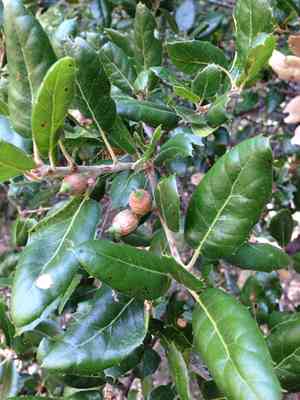
The most suitable time for transplanting coast live oak extends from the mild indications of late spring into the peak of early summer, a period of maximum growth. Select locations featuring soil that drains effectively and offers protection from strong gusts. Careful management of delicate root systems during the transfer process is beneficial.
Necessary Preparations Before Relocating Coast Live Oak?
Optimal Period for Relocating Coast Live Oak?
The best time for moving coast live oak is at the onset of summer's warmth, typically spanning late spring to early summer. This timing allows coast live oak to establish roots before the demands of hotter days. Relocating coast live oak during this gentle seasonal shift can lead to vigorous growth, giving the plant ample opportunity to adapt and flourish in new soil. Utilize this window for a smooth integration of coast live oak into your landscape, ensuring it receives the nurturing environment needed for successful development.
Required Spacing Between Coast Live Oak Plants?
When relocating coast live oak, provide each plant ample room to expand. A good guideline is to space each plant approximately 20-30 feet (6-9 meters) apart. This will facilitate proper root development and canopy spread.
Best Soil Blend for Coast Live Oak Relocation?
For coast live oak, prepare well-draining soil rich in organic matter. You can enrich your soil with compost or a balanced base fertilizer. This will aid the plant in establishing quickly and ensure healthy growth.
Where to Replant Your Coast Live Oak?
Select a spot that receives full to partial sunlight daily for coast live oak. Sufficient sunlight helps the plant grow strong and produce the beautiful foliage it's known for. Enjoy your planting!
Equipment to Prepare Before Relocating Coast Live Oak?
Gardening Spade
Crucial for excavating the coast live oak from its original spot and preparing the new hole.
Gardening Fork
Useful for loosening the soil around the root ball when extracting the plant.
Gardening Gloves
To safeguard your hands while working with soil and handling the plant.
Tarpaulin Sheet
To place the excavated coast live oak and its soil, preventing root damage and soil loss.
Wheelbarrow
For transporting the coast live oak to its new location.
Watering Can or Hose
For essential watering before and after relocation.
Mulch
To deter weed growth and help maintain soil moisture after relocation.
How to Extract Coast Live Oak from the Soil?
How to Extract Coast Live Oak from the Soil?
From Ground: Begin by lightly watering the coast live oak to moisten the soil. Then, using a gardening spade or fork, carefully dig a wide trench around the plant, ensuring the root ball remains intact. Gently work the spade or fork under the plant's roots to lift it from its spot. Place the coast live oak and its soil onto the tarpaulin sheet.From Pot: First, thoroughly water the coast live oak. Turn the pot sideways, hold the plant gently by its base, and tap the pot's rim against a hard surface to loosen it. Slide the plant out of the pot, keeping the root ball intact. If the plant is stuck, you might need to cut the pot away.From Seedling Tray: Water the tray, then invert it while holding your hand over the soil surface. Tap the tray's bottom to dislodge the coast live oak.
Step-by-Step Guide for Relocating Coast Live Oak
Prepare New Site
Dig a hole twice as wide and as deep as the coast live oak's root ball. Fill the bottom of the hole with some garden soil to prevent the coast live oak from sitting in a waterlogged area.
Moving the Plant
Load the plant onto the wheelbarrow, ensuring the root ball remains intact and well-supported. Transport the coast live oak to the new hole.
Planting
Carefully position the coast live oak in the hole, ensuring it's at the same depth as it was in its original location. Backfill the hole with the excavated soil, applying firm pressure around the plant to stabilize it.
Watering
Generously water the coast live oak after planting, ensuring the soil is thoroughly saturated but not waterlogged.
Mulching
Apply a layer of mulch around the plant, leaving a gap around the stem, to keep the soil moist and deter weed growth.
Post-Relocation Care for Coast Live Oak?
Watering
For the initial weeks after relocation, keep the soil around the coast live oak consistently moist but not waterlogged to aid root establishment. Regular watering is crucial for successful relocation.
Checking
Closely monitor the coast live oak after relocation. If it shows signs of wilting or leaf discoloration, it may need more water, or there could be an issue with the location or soil.
Pruning
If the coast live oak becomes excessively tall or wide, consider pruning it to maintain an appropriate size for its new location.
Addressing Common Issues with Coast Live Oak Relocation.
When is the best time of year to relocate coast live oak?
The optimal period to relocate coast live oak is in seasons 3-5 (typically late summer to early autumn), when the plant is in a dormant state.
What should be the ideal spacing when planting coast live oak?
For healthy growth and development, ensure you maintain a spacing of 20-30 feet (6-9 meters) between each coast live oak.
What soil conditions are best for relocating coast live oak?
Coast live oak thrives in well-draining soil with a slightly acidic to neutral pH. Ensure the planting area doesn't have excessively sandy or clayey soil.
How deep should the hole be when relocating coast live oak?
The hole should be twice as wide and as deep as the root ball. A depth of about 2 feet (60 cm) should be sufficient.
My coast live oak is wilting after relocation. What's the problem?
Wilting could indicate transplant shock. To minimize this, avoid relocating during extremely hot or cold weather, and keep the plant well-watered.
What should I do before relocating coast live oak?
Be sure to thoroughly water coast live oak a couple of days before relocating. Additionally, prune any dead or damaged roots before moving the plant.
How should I care for my coast live oak after relocation?
After relocating, water coast live oak deeply and keep the soil moderately moist, not drenched. Also, a layer of mulch can help conserve soil moisture.
What should I do if my coast live oak isn't growing after relocation?
Coast live oak can take some time to establish and show growth after relocation. Give it time, follow regular watering, and maintain optimal soil conditions.
How much water does my coast live oak need after being relocated?
Water coast live oak deeply right after relocating. Maintain moist soilânot saturated. The amount of water depends on your climate, but once a week is generally appropriate.
Why are the leaves of my relocated coast live oak turning yellow?
Yellow leaves could indicate overwatering, underwatering, or a nutrient deficiency. Observe the plant's condition, adjust watering, and consider a balanced, slow-release fertilizer if necessary.



