How to Transplant California scrub oak?
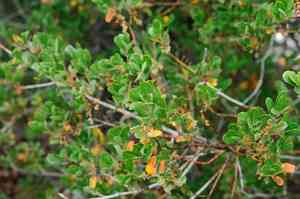
The most favorable period for relocating california scrub oak extends from the onset of early spring through the threshold of summer's heat, promoting vigorous development. Select a sunny spot with soil that drains effectively, apply mulch after the move, and provide consistent irrigation to aid in its adjustment.
What Preparations are Needed Before Transplanting California Scrub Oak?
What is the Ideal Time for Transplanting California Scrub Oak?
The optimal period for relocating california scrub oak spans from the onset of early spring to the gentle warmth of late spring. This timeframe allows california scrub oak to establish its root system in cool, moist soil, facilitating a smooth transition from dormancy. During this season, moderate temperatures support robust root development without the harsh stress of summer heat. Transplanting at this time benefits california scrub oak by aligning with its natural growth cycle, fostering strong development and minimizing transplant shock. By selecting this season, gardeners ensure california scrub oak receives the best possible start for vigorous growth throughout the year.
How Much Space Should You Leave Between California Scrub Oak Plants?
When planning the spacing for california scrub oak, aim to provide ample room for growth. A distance of 10-25 feet (3-7.6 meters) between plants is advisable. This spacing allows their root systems to expand and canopies to thrive, promoting overall plant health.
What is the Best Soil Mix for California Scrub Oak Transplanting?
For california scrub oak, well-draining soil is essential. Improve your garden bed by incorporating a blend of native soil and compost before planting. A balanced, slow-release fertilizer can aid root development. Remember to water the soil after adding these amendments!
Where Should You Relocate Your California Scrub Oak?
California scrub oak thrives in sunlight! Select a location where it can receive full sun exposure for most of the day. This will encourage vigorous growth and a healthy plant. Expert tip: observe your garden to find a sunny spot free from shade!
What Equipments Should You Prepare Before Transplantation California Scrub Oak?
Shovel or Spade
To excavate around and beneath the plant, ensuring the root ball remains intact during removal.
Watering Can or Hose
For pre-watering the plant before extraction and maintaining moisture around the transplanted area afterward.
Wheelbarrow or Garden Cart
To transport the plant and soil to and from the new planting site.
Gardening Gloves
To safeguard your hands while handling soil and the plant.
Pruning Shears
For trimming any damaged roots or branches.
Rooting Hormone (optional)
To help encourage new root growth in the transplanted specimen.
Mulch
To assist in regulating soil temperature and moisture levels after transplanting.
How Do You Remove California Scrub Oak from the Soil?
How Do You Remove California Scrub Oak from the Soil?
From Ground: Begin by thoroughly watering the california scrub oak. Next, dig a wide circle around the plant, approximately 18 to 24 inches from the stem, to ensure the root ball is removed completely. Gently slide the shovel beneath the root ball, and carefully use leverage to lift the plant free.From Pot: First, water the california scrub oak to loosen the roots. Turn the pot on its side and gently tap the bottom to dislodge the root mass. Grasp the base of the stem and carefully ease the plant out, ensuring the root ball stays intact.From Seedling Tray: Water the california scrub oak seedling thoroughly, then use a spoon or similar tool to carefully lift the seedling, including its entire soil and root ball, from the tray without compressing or disturbing the roots.
Step-by-Step Guide for Transplanting California Scrub Oak
Hole Preparation
Excavate a hole in the ground that is twice as wide and the same depth as the root ball of the california scrub oak.
Root Examination
Inspect the root ball of the california scrub oak, trimming any broken or dead roots and applying rooting hormone if desired.
Placing california scrub oak in Hole
Position the root ball of california scrub oak into the hole, ensuring the top of the root ball is level with the surrounding soil surface.
Backfilling
Carefully refill the hole with the excavated soil, gently tamping it down to remove air pockets.
Watering
Water the california scrub oak generously immediately after planting to settle the soil and eliminate air gaps around the roots.
Mulching
Apply a 2 to 3-inch layer of mulch around the base of the california scrub oak, keeping it away from the stem to prevent rot.
How Do You Care For California Scrub Oak After Transplanting?
Immediate Watering
Provide ample water directly after transplanting to aid california scrub oak's recovery and establishment.
Mulch Benefits
Maintain the mulch layer to conserve moisture and regulate soil temperature, which is vital for root establishment.
Pruning
Trim any broken or damaged branches to help the california scrub oak allocate resources to establishing new roots.
Regular Monitoring
Observe the california scrub oak regularly for signs of transplant shock, such as wilting or discolored leaves, and address them promptly.
Troubleshooting Common Issues with California Scrub Oak Transplantation.
What's the best season to transplant california scrub oak?
The ideal transplanting period for california scrub oak is from early to late spring, when the soil is warm and manageable.
How far apart should I space california scrub oak during transplanting?
Ensure each california scrub oak has sufficient space, ideally 10-25 feet (3-7.6 meters) apart, to accommodate their growth.
Why is my california scrub oak not thriving post-transplant?
This could be due to shock. Ensure it receives adequate water, has the correct soil pH, and is not in overly exposed, windy locations.
What soil conditions are best for transplanting california scrub oak?
Preferably transplant california scrub oak into well-drained soil with a pH suitable for oaks; test the soil before proceeding.
How much should I water california scrub oak after transplanting?
Water generously immediately after transplanting, then regularly to keep the soil consistently moist but not waterlogged.
Should I fertilize california scrub oak during transplantation?
Avoid immediate fertilization. Allow california scrub oak to establish itself first, then consider a mild, balanced fertilizer if necessary.
How do I know if california scrub oak is planted at the correct depth?
The root collar (where roots meet the trunk) should be just above the soil level to prevent rot.
How can I protect california scrub oak's roots during transplanting?
Minimize air exposure by transplanting quickly and keeping the root ball moist throughout the process.
Can I prune california scrub oak during transplanting?
Light pruning is acceptable to remove damaged or dead branches, but avoid heavy pruning until after establishment.
What's a sign of poor california scrub oak transplanting technique?
Wilting, yellowing leaves, or stunted growth may indicate transplant stress or improper planting methods.



