How to Transplant Japanese emperor oak?
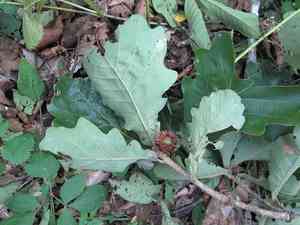
The optimal period for transplanting japanese emperor oak is as late spring transitions into early summer, offering prime conditions for root establishment. Select a location bathed in sunlight with soil that drains effectively. During the relocation process, exercise caution to safeguard the fragile root system.
What Preparations are Needed Before Transplanting Japanese Emperor Oak?
What is the Ideal Time for Transplanting Japanese Emperor Oak?
The peak period for successful japanese emperor oak transplanting is from late spring to early summer. This timeframe, characterized by mild temperatures, promotes root development before intense summer heat. Moving japanese emperor oak during this gentle seasonal shift provides the young plant with an optimal balance of stable warmth and active growth cycles, boosting its vigor. This timing naturally aligns with the environment's rhythm, allowing japanese emperor oak to benefit from increased daylight and revitalized ecosystems, setting the stage for robust development.
How Much Space Should You Leave Between Japanese Emperor Oak Plants?
When getting ready to plant your japanese emperor oak, ensure adequate room for its development. Ideally, aim to position each sapling approximately 6-8 feet (1.8-2.4 meters) apart. This provides the roots ample area to spread.
What is the Best Soil Mix for Japanese Emperor Oak Transplanting?
Your japanese emperor oak will flourish best in soil that drains well and is fertile. It's advisable to enrich the soil with compost or a slow-release granular fertilizer for optimal growth. Begin this preparation a couple of weeks prior to transplanting.
Where Should You Relocate Your Japanese Emperor Oak?
For optimal outcomes, try to locate a spot for your japanese emperor oak that receives full sun to partial shade. Ensure the chosen site gets at least 4-6 hours of direct sunlight daily. Happy gardening!
What Equipments Should You Prepare Before Transplantation Japanese Emperor Oak?
Gardening Gloves
To safeguard your hands while handling soil and japanese emperor oak.
Shovel or Spade
Useful for excavating holes in the garden during transplantation.
Watering Can or Hose
To thoroughly hydrate the plant during transplanting.
Garden Trowel
A small hand tool employed for digging, applying, smoothing, or relocating minor quantities of material.
Pruners or Pruning Saw
To trim the roots or branches of the plant if necessary.
Wheelbarrow
To move the japanese emperor oak from its initial spot to the new planting location.
How Do You Remove Japanese Emperor Oak from the Soil?
How Do You Remove Japanese Emperor Oak from the Soil?
From Ground: Water the japanese emperor oak thoroughly as this moistens the soil, making extraction easier. Dig around the perimeter of the japanese emperor oak using a spade or shovel, being careful not to harm any roots. Gently work the spade beneath the root ball, lifting the plant free.From Pot: First, water the potted japanese emperor oak well. Invert the pot and gently tap its rim while supporting the plant's stem to help release it. If the plant doesn't come out, do not force it. Gently squeeze the pot's sides to see if the plant loosens.From Seedling Tray: Water the trays thoroughly, then let them sit for a few minutes. Carefully lift out the seedling by lightly pressing down on the soil near the plug's edge. Avoid pulling the japanese emperor oak by its stem, as this could damage the plant.
Step-by-Step Guide for Transplanting Japanese Emperor Oak
Preparation
Prepare the new hole for japanese emperor oak to be 2 to 3 times wider than the root ball and equally deep. This aids in blending the native soil with the new soil.
Root Pruning
Root pruning minimizes transplant shock. Using sharp pruning shears, snip off damaged roots and shorten long roots to fit into the planting hole.
Placing the Plant
Position the japanese emperor oak in the center of the hole. The top of the plant's root ball should be level with or slightly above the surrounding soil.
Backfilling
Refill the planting hole with a mixture of garden soil and compost. Gently pat the soil around the root ball.
Watering
Thoroughly drench the planting area. This settles the soil around the plant and hydrates the roots.
How Do You Care For Japanese Emperor Oak After Transplanting?
Watering
Post-transplant care involves keeping the soil consistently moist, but not waterlogged. This encourages the roots of japanese emperor oak to grow and establish in their new environment.
Pruning
Pruning in the initial year after planting will help japanese emperor oak conserve energy, supporting root establishment.
Mulching
Apply 2-3 inches of organic mulch around the base of the japanese emperor oak, ensuring it doesn't touch the trunk. Mulch retains moisture and suppresses weeds.
Checking for Disease and Pests
Regularly inspect leaves for indications of disease or pests. Early detection and treatment will help maintain the health of your japanese emperor oak.
Troubleshooting Common Issues with Japanese Emperor Oak Transplantation.
When is the best time to transplant japanese emperor oak?
Autumn to early winter (S3-S4) is the ideal period for transplanting japanese emperor oak to ensure optimal growth.
What is the suitable spacing for japanese emperor oak during transplantation?
For healthy growth, ensure japanese emperor oak are spaced approximately 6-8 feet (1.8-2.4 meters) apart. This allows ample room for expansion.
How can I prepare the soil for japanese emperor oak transplantation?
Ensure the soil is well-drained, as japanese emperor oak prefers it. Enrich the planting area with compost or other organic matter, especially in poor soils.
How deep should the hole be when planting japanese emperor oak?
Dig a hole twice as wide as the root ball and equally deep. This provides the roots with space to spread and grow.
How much watering does japanese emperor oak require post-transplant?
After transplanting, water japanese emperor oak deeply and regularly. While establishing, it needs more consistent watering, but avoid saturating the soil.
Can I transplant japanese emperor oak in a pot?
Absolutely! Japanese emperor oak can be transplanted into a pot. The container should be large enough to accommodate the roots and allow for future growth.
Should I prune japanese emperor oak after transplanting?
Yes, but not immediately. Allow japanese emperor oak some time to establish. Later, pruning helps maintain size, promotes more vigorous growth, and removes any dead or diseased branches.
Can japanese emperor oak handle direct sunlight post transplantation?
Yes, but with caution. Japanese emperor oak prefers full sun to partial shade. However, protect the newly transplanted japanese emperor oak from intense sunlight until it acclimates.
Is fertilizing necessary after transplanting japanese emperor oak?
If the soil is rich in organic matter, additional fertilization might not be required. Otherwise, a balanced, slow-release fertilizer can be added to encourage growth.
What to do if my transplanted japanese emperor oak shows signs of distress?
Proper watering and light conditions are helpful. Any signs of distress should diminish as the plant adjusts. If symptoms persist, consult a horticultural expert.



