How to Transplant Shingle oak?
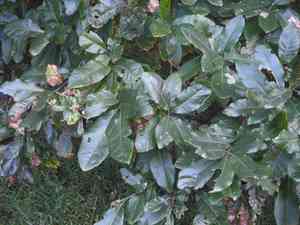
Relocate shingle oak during early spring, when the mild temperatures and damp earth facilitate root development. Select a bright, adequately draining location, and handle the root mass carefully to ensure a seamless acclimation.
What Preparations are Needed Before Transplanting Shingle Oak?
What is the Ideal Time for Transplanting Shingle Oak?
The best time to transplant shingle oak is during early to mid-spring, when its growth potential is highest. This timing allows shingle oak's roots to establish in the warming soil, taking advantage of spring's vigorous growth. Transplanting shingle oak at this point ensures maximum root development before summer's stresses, promoting robust health. A careful relocation of shingle oak now facilitates a smooth transition, encouraging lush growth and vitality, truly capturing the essence of spring renewal for your beloved perennial.
How Much Space Should You Leave Between Shingle Oak Plants?
For shingle oak, ample room for expansion is crucial. Aim for a spacing of approximately 30-40 feet (9-12 meters) between plants. This ensures shingle oak has sufficient area to achieve its full growth potential.
What is the Best Soil Mix for Shingle Oak Transplanting?
Shingle oak is adaptable, but prefers well-drained soil. Incorporate compost into your soil as a foundational fertilizer. This will supply essential nutrients and enhance the soil's structure.
Where Should You Relocate Your Shingle Oak?
Shingle oak thrives in full sun exposure but can also tolerate partial shade. Select a garden location that receives abundant sunlight for most of the day. This will ensure your shingle oak grows strong and healthy!
What Equipments Should You Prepare Before Transplantation Shingle Oak?
Gardening Shovel
To excavate the hole in the ground for transplanting the shingle oak.
Gardening Spade
To assist in the process of extracting the shingle oak from its original spot.
Gardening Gloves
To safeguard your hands during the transplanting procedure.
Watering Can
To irrigate the shingle oak both prior to and following transplantation.
Organic Mulch
To help regulate soil temperature and maintain moisture for the shingle oak after transplant.
How Do You Remove Shingle Oak from the Soil?
How Do You Remove Shingle Oak from the Soil?
From Ground: Water the shingle oak plant several hours before beginning the transplanting process. This will moisten the soil, making it easier to remove the plant from the ground. Dig a wide circle around the plant with a gardening spade, ensuring a significant distance from the main stem to avoid damaging the root system. Carefully work the spade beneath the root ball, lifting it from its original position.From Pot: Water the shingle oak a few hours before you plan to move it. Then, gently turn the pot on its side, holding the shingle oak stem with one hand and tapping the bottom of the pot with your other hand. This should loosen the plant’s roots, allowing you to ease it from the pot while keeping the root ball intact.From Seedling Tray: Water the shingle oak seedlings and allow the water to absorb thoroughly. Then, use a small fork or your fingers to gently separate each shingle oak seedling, taking care not to harm the delicate root system. Hold the seedlings by their leaves to prevent stem damage.
Step-by-Step Guide for Transplanting Shingle Oak
Digging the Hole
Begin by digging a hole that is twice as wide and as deep as the shingle oak's root ball.
Positioning the Plant
Carefully place your shingle oak into the hole. The top of the root ball should be level with or slightly above the surrounding soil surface.
Backfilling
Refill the hole with soil, firming it gently without compacting it too much, which could hinder root growth.
Watering
Thoroughly water your shingle oak after planting. The water will help the soil settle around the roots.
How Do You Care For Shingle Oak After Transplanting?
Watering
Keep the soil consistently moist, but not waterlogged, for several weeks after transplanting the shingle oak to encourage root establishment.
Mulching
Apply a layer of organic mulch around the shingle oak, ensuring it doesn't touch the stem, to regulate soil temperature and retain moisture.
Pruning
If you observe any dead or dying branches post-transplant, prune them to redirect the shingle oak's energy towards new growth.
Monitoring
Regularly inspect the shingle oak for signs of transplant shock, such as wilted leaves or discolored foliage, and adjust care as necessary.
Troubleshooting Common Issues with Shingle Oak Transplantation.
What is the best time of year to transplant shingle oak?
The optimal period to relocate shingle oak is between late winter and early spring. This allows it to establish before the summer heat.
What is the ideal distance to space shingle oak when transplanting?
You should provide each shingle oak with approximately 30-40 feet (9-12 meters) of space. This ensures adequate room for root expansion and canopy development.
What level of soil moisture should I maintain when transplanting shingle oak?
Maintain consistently moist (but not saturated) soil. Water thoroughly after planting and weekly, especially during dry spells, until your shingle oak is well established.
How deeply should I plant shingle oak when transplanting?
Plant shingle oak at the same depth it was in its original container. Planting too deep can lead to trunk rot and other detrimental conditions.
What type of soil does shingle oak prefer when being transplanted?
Shingle oak adapts well to various soil types but thrives in moist, well-drained soils that are slightly acidic to neutral.
Should I add fertilizer when transplanting shingle oak?
Fertilizer is not immediately necessary, but after a few weeks, a slow-release, balanced fertilizer can promote shingle oak's healthy growth.
My transplanted shingle oak is wilting; what should I do?
Wilting after transplant is common as the plant adjusts to its new environment. Keep the soil moist, but avoid over-watering. If wilting persists, consult a local nursery or arborist.
The leaves of my transplanted shingle oak are turning yellow. What might be the reason?
Yellow leaves may indicate over-watering or a nutrient deficiency. Adjust your watering routine and consider using a slow-release fertilizer.
How can I encourage the root growth of my transplanted shingle oak?
After planting, apply a 2-3 inch (5-7.5 cm) layer of mulch around the base of shingle oak, ensuring it doesn't touch the trunk. This conserves moisture and stimulates root growth.
What should I do if my transplanted shingle oak is not growing?
Ensure shingle oak is in a location with appropriate sunlight, receives adequate water, and is in suitable soil. If the plant still doesn't thrive, consult a local gardener or nursery.



