How to Transplant Turkey oak?
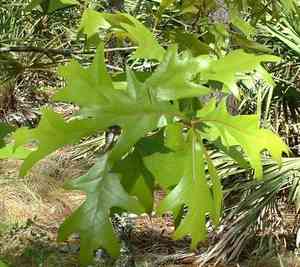
The optimal period for relocating turkey oak is amidst the vigorous development phase of mid-to-late spring or the commencement of early summer, facilitating effortless root integration. Select a brightly lit spot featuring soil that drains effectively. Should it be necessary, regulate the soil's dampness following transplantation to foster acclimatization.
Necessary Preparations Before Relocating Turkey Oak?
When is the Best Time to Move Turkey Oak?
The prime period for transplanting turkey oak is during the lively months of late spring, providing optimal temperatures and moisture for root development.
What Spacing is Recommended Between Turkey Oak Plants?
To allow turkey oak ample room to develop, aim for a separation of approximately 15-20 feet (4.5-6 meters) between each plant. This will enable the plant to expand and reach full maturity. While it may seem generous, it will prove beneficial over time.
What is the Optimal Soil Blend for Turkey Oak Transplantation?
Prior to moving turkey oak, prepare the site with soil that drains effectively. A loamy or sandy soil type is ideal. Incorporate some slow-release, granular fertilizer as a foundational nutrient source for the plant to ensure a strong start.
Where Should You Replant Your Turkey Oak?
Select a spot for turkey oak where it will receive direct sunlight for the majority of the day. This typically means six or more hours daily. This will supply the energy required for the plant to grow and thrive.
What Tools Should You Gather Before Transplanting Turkey Oak?
Gardening Gloves
To safeguard your hands while handling soil and turkey oak.
Spade
Used for excavating the hole in the ground, and also helpful for carefully extracting the turkey oak from its original spot without harming the root system.
Garden Trowel
A compact hand tool useful for digging smaller, more precise holes and for loosening the soil around the turkey turkey oak's base.
Watering Can
Needed to hydrate the turkey oak after it has been transplanted.
Pruning Shears
To trim any damaged roots or branches before moving the turkey oak.
Wheelbarrow
For transporting the turkey oak, especially if it is a large specimen.
Mulch
Applied to cover the top layer after transplantation to help retain soil moisture.
How Do You Extract Turkey Oak from the Ground?
How Do You Extract Turkey Oak from the Ground?
From Ground: First, thoroughly water the soil surrounding the turkey oak plant until it is moist but not saturated. Next, use a spade to dig a wide trench around the turkey oak, being careful to avoid the main root system to prevent unnecessary damage. Gently slide the spade beneath the root ball and carefully lift the plant from its initial location.From Pot: If the turkey oak is currently in a container, begin by watering the soil. Then, turn the pot on its side, grasp the turkey oak near its base, and gently pull and twist to remove the plant. It is crucial to handle the plant with care to prevent root trauma.From Seedling Tray: Water the seedling tray before beginning. Gently compress the plastic cell containing the turkey oak seedling below the soil surface to loosen it. Take care not to harm the seedling or roots during this process. Tilt the tray sideways and tap it lightly to help the turkey oak seedling slide out.
Step-by-Step Guide for Relocating Turkey Oak
Preparation
Ensure your new planting site is ready before you begin. It should be 2-3 times wider and as deep as the turkey oak's root ball. Place the excavated soil next to the hole.
Plant Removal
Follow the appropriate method from 'removal_process' to extract your turkey oak.
Inspect & Trim
Examine for any compromised or diseased roots and remove them.
Position turkey oak
Place your turkey oak in the center of the hole, ensuring it stands upright. The top of the root ball should be level with or slightly below the top of the hole.
Backfilling
Gradually refill the hole, compacting the soil around the root ball.
Watering
Water the turkey oak generously until all the soil is thoroughly saturated.
Mulching
Apply a layer of mulch around the plant, avoiding contact with the stem.
How Do You Care For Turkey Oak After Relocation?
Watering
Water the turkey oak consistently during the initial weeks, ensuring the soil remains damp but not waterlogged.
Pruning
Minor trimming of the turkey oak to remove any damaged or diseased branches helps direct the plant's energy towards root development.
Check Health
Regularly monitor the health of the turkey oak during the first few weeks. If you observe yellowing leaves or a declining plant, it may not be adapting well, and you might need to take additional actions.
Mulching
Replenish the mulch layer once it begins to break down to maintain soil moisture and inhibit weed growth.
Addressing Common Issues with Turkey Oak Transplantation.
When is the optimal time to transplant turkey oak?
The best period for transplanting turkey oak spans from late spring to mid-autumn, roughly corresponding to seasons S2-S4.
Why is my turkey oak wilting after being moved?
Transplant shock can occur, causing turkey oak to droop, due to abrupt environmental changes. Continue proper watering and care to aid recovery.
Should I prune turkey oak before moving it?
Yes, it's beneficial to prune turkey oak before transplanting. Remove any dead or weak branches, but avoid excessive pruning to prevent stress.
How much space should I allow between each turkey oak?
Turkey oak requires ample room to grow. Ideally, maintain a distance of approximately 15-20 feet (4.5-6 meters) between plants.
What should I do if my transplanted turkey oak shows no signs of growth?
Be patient! Turkey oak may take some time to establish in its new location. Continue watering and caring for the plant.
What kind of soil is suitable for turkey oak transplantation?
Turkey oak prefers well-drained, slightly acidic soil. However, it can tolerate various soil types including sandy, loamy, and clayey soils.
How deep should the hole be for transplanting turkey oak?
The hole should be twice as wide and the same depth as the root ball. This is typically around 10 inches (25 cm) for young turkey oak.
Should I water turkey oak immediately after transplanting?
Absolutely! Thorough watering is crucial after transplanting turkey oak. It helps establish roots in the new location and reduces transplant shock.
How do I safely uproot turkey oak for transplantation?
Dig wide and deep around the base of turkey oak. Be gentle to avoid damaging roots. Keeping a significant amount of soil around the roots can facilitate easier transplantation.
Is it necessary to add fertilizers during turkey oak's transplantation?
Yes, incorporating a slow-release, balanced fertilizer during transplantation can provide turkey oak with the nutrients it needs to thrive in its new location.



