How to Transplant Bur oak?
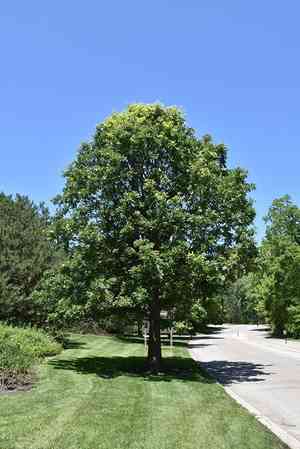
For bur oak, the period of mild temperatures from late spring to mid-summer provides ideal conditions for relocation, facilitating root development in its new environment. Select locations with good drainage and sufficient room for subsequent expansion, guaranteeing a smooth adaptation.
What Preparations are Needed Before Transplanting Bur Oak?
What is the Ideal Time for Transplanting Bur Oak?
The best time for relocating bur oak is in the vibrant late spring or early to mid-summer. This period, full of growth potential, ensures bur oak roots adjust easily to their new spot. Moving bur oak during this active growth phase allows the plant to establish quickly in the warming soil, providing a strong start before the colder winter. With warmth and increased daylight, bur oak thrives, boosting its chances for successful transplantation and future growth.
How Much Space Should You Leave Between Bur Oak Plants?
For transplanting bur oak, make sure to provide ample room for its development. An ideal spacing would be 30 to 40 feet (9 to 12 meters) apart. This gives bur oak sufficient space to flourish and expand over time.
What is the Best Soil Mix for Bur Oak Transplanting?
Bur oak prefers soil that drains well, is loamy, and slightly acidic. Consider enriching the planting hole with a base fertilizer rich in nitrogen. Ensure it's thoroughly mixed before transplantation. This will supply the nutrients bur oak needs for robust root development.
Where Should You Relocate Your Bur Oak?
Consider a location where bur oak will receive full sun or partial shade. This allows it to reach its full potential. Note that it tolerates varying light conditions. Pay attention to the movement of shadows!
What Equipments Should You Prepare Before Transplantation Bur Oak?
Gardening Gloves
To safeguard your hands while handling soil and the plant during the relocation process.
Shovel or Spade
Crucial for digging up the plant from its original spot and preparing the new planting site.
Gardening Trowel
A smaller digging tool useful for fine-tuning the size of the planting hole or removing the plant from a container.
Wheelbarrow
To move the plant bur oak from its initial location to the new one.
Bucket
For hydrating the plant after it has been transplanted.
Pruning Shears
To trim any damaged roots or branches of bur oak during the transplant process to encourage new growth.
How Do You Remove Bur Oak from the Soil?
How Do You Remove Bur Oak from the Soil?
From Ground: Before starting, water bur oak to ensure soil adheres to the roots and minimizes transplant shock. Dig a trench around the plant, making sure it's wide and deep enough to keep the root ball intact. Gradually dig beneath the root ball and gently lift bur oak from its spot.From Pot: Water the plant thoroughly to moisten the soil. Turn the pot on its side, hold the bur oak by its base, and gently tap the bottom of the pot until the plant and its root ball slide out. Handle with care to prevent damage to the root ball.From Seedling Tray: Ensure the seedling bur oak has at least 3-4 developed leaves and established roots. Gently hold the seedling by its leaves (never by its stem) and use a dibber or pencil to carefully push the seedling from below. Lift it out, aiming to keep as much of the root ball as possible.
Step-by-Step Guide for Transplanting Bur Oak
Preparation
Dig a hole in the new spot that is approximately twice as wide and as deep as the root ball of bur oak.
Positioning
Place the plant in the center of the hole, ensuring the top of the root ball is level with the surrounding ground.
Backfilling
Refill the hole with the excavated soil, making sure there are no air pockets around the roots.
Watering
Water bur oak thoroughly after transplanting, until the soil is completely saturated.
Mulching
Apply a 2-3 inch layer of organic mulch around bur oak, but not touching its stem, to retain moisture and suppress weeds.
How Do You Care For Bur Oak After Transplanting?
Watering
Keep the soil consistently moist (but not waterlogged) for the initial few weeks. This aids the plant in establishing its roots in the new location.
Pruning
Avoid any significant pruning for the first year. Only minor trimming of broken or diseased branches should be performed.
Monitoring
Closely observe bur oak, looking for any signs of transplant shock, such as wilting, yellowing, or leaf drop. If this occurs, ensure it receives ample water and consider adding a transplanting fertilizer rich in phosphorus to support root development.
Troubleshooting Common Issues with Bur Oak Transplantation.
When is the best time of year to transplant bur oak?
The ideal period for transplanting bur oak is during the later growing stages, S3-S5.
Is there an ideal space to maintain between bur oak while transplanting them?
Yes, when transplanting bur oak, ensure a distance of 30-40 feet (9-12 meters) between each plant.
Do I need to prune bur oak before transplanting?
Yes, lightly prune bur oak before transplanting. This helps reduce water loss and balances the root-to-shoot ratio.
Can I transplant bur oak in a pot first?
Absolutely! Bur oak can initially be transplanted into a pot. Ensure it's deep enough to accommodate growth.
What type of soil is suitable for bur oak when transplanting?
Bur oak prefers well-drained soil that is slightly acidic to neutral in pH. Avoid overly wet or dry soil conditions.
How much watering does bur oak require post-transplant?
Bur oak needs moderate watering after transplantation. Both overwatering and underwatering can cause stress and hinder growth.
How should I prepare the new location for bur oak?
Prepare the transplant site by digging a hole twice the size of bur oak's root ball. Fill it with nutrient-rich soil.
Is there any special care required for bur oak after transplantation?
After transplanting, ensure bur oak gets plenty of sunlight, water it appropriately, and keep it free from pests.
Can I transplant bur oak in any season?
Transplanting bur oak during the later growing stages (S3-S5) is recommended for optimal results. Avoid harsh winter conditions.
Why are my transplanted bur oak turning brown?
Browning could be due to transplant shock or improper care. Ensure adequate watering, sunlight, and check for pests/diseases.



