How to Transplant Water oak?
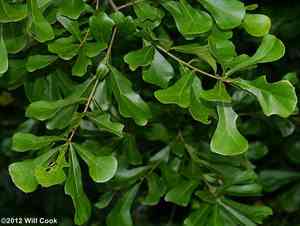
For water oak, the ideal period for relocation is in the spring awakening, as the temperate climate assists in root development. Select a site that receives abundant sunlight to some shade and features soil that drains effectively. Provide sufficient area for expansion, since water oak thrives when it has space to spread.
Essential Preparations Before Relocating Water Oak
Optimal Period for Moving Water Oak?
The ideal time for relocating water oak is during the spring season, which promotes vigorous growth after the move. This period offers mild temperatures and ample moisture, perfect for root establishment. Moving water oak now benefits from longer days and gentle weather, allowing roots to recover and expand before summer heat. Aligning relocation with this season leverages natural growth cycles, fostering robust development. Ensuring this timely transition encourages resilience and longevity in water oak, enhancing your landscape with magnificent foliage year after year.
Required Spacing Between Water Oak Plants?
When relocating water oak, aim for a spacing of approximately 30-40 feet (9-12 meters) between them. This provides sufficient room for their development and prevents competition for resources. Happy planting!
Best Soil Blend for Water Oak Relocation?
For water oak, a well-draining loamy soil is optimal. Before planting, consider enriching your soil with a foundational fertilizer such as a slow-release granular 10-10-10. This prepares the soil with ample nutrients, creating a welcoming environment for your new plant.
Where to Replant Your Water Oak?
Relocate water oak to a spot with partial to full sunlight. They thrive with plenty of sun! So, choose a bright, sunny area of your garden to ensure it grows healthily and robustly.
Equipment Needed Before Relocating Water Oak
Gardening Gloves
These are essential for protecting your hands from scratches or injuries that might occur while handling soil and the plant.
Spade or Shovel
A gardening tool necessary for digging a hole in the ground. The hole's width and depth should be twice the size of the water oak's root ball.
Wheelbarrow
A useful tool for moving the water oak from its original spot to the new planting location.
Pruning Shears
Helpful for trimming any damaged roots or branches of the water oak during the relocation process.
Watering Can
This is needed to thoroughly water the water oak before and after the relocation to ensure its healthy establishment.
Mulch
Organic material spread around the plant after relocation to help retain soil moisture and regulate its temperature.
How to Extract Water Oak from the Soil?
How to Extract Water Oak from the Soil?
From Ground: Begin by watering the water oak to moisten the soil. Then, start digging a wide trench around the plant using a spade or shovel, ensuring the water oak's root ball remains undisturbed. Carefully loosen the soil and work the spade beneath the root ball to lift the plant from its original position.From Pot: Water the water oak and gently tap the pot's sides to loosen the soil. Invert the pot and carefully slide the water oak out, making sure the root ball stays intact.From Seedling Tray: First, moisten the soil, then use a spoon or small gardening tool to carefully lift the water oak seedlings. Handle them by their leaves to avoid damaging the delicate stems and roots.
Step-by-Step Guide for Relocating Water Oak
Digging
Excavate a hole in the ground approximately twice the width and depth of the water oak's root ball. Loosen the soil at the bottom of the hole to facilitate root penetration.
Placing
Position the water oak in the center of the hole. The plant should be at the same depth as it was in its previous location. If it's too deep, add some soil back in.
Backfilling
Refill the hole with the excavated soil. Distribute the soil evenly and gently press around the base to stabilize the water oak.
Watering
Water the water oak generously after relocation, ensuring the water reaches the roots.
Mulching
Apply a layer of mulch around the plant's base to help maintain soil moisture.
Post-Relocation Care for Water Oak
Root Care
The roots of the water oak will require special attention in the weeks following relocation. Gentle, consistent watering is vital at this stage, as it encourages roots to grow into the surrounding soil and establish firmly.
Trimming
Any dead or withered leaves should be removed; this helps the water oak direct energy towards new growth.
Observation
Closely monitor the water oak during the initial weeks. Yellowing leaves, wilting, or slow growth can signal an issue that requires attention.
Addressing Common Issues with Water Oak Relocation.
What's the best time of year to move water oak?
The optimal period to relocate water oak is during late winter to early spring. Take advantage of the cooler temperatures and dormant growth during this time.
Why should water oak be spaced 30-40 feet (9-12 meters) apart during relocation?
Water oak requires a significant amount of space due to its extensive root system. Spacing them 30-40 feet (9-12 meters) apart ensures healthy development and prevents overcrowding.
Do I need to water water oak immediately after relocation and how often?
Yes, water oak should be watered immediately after relocation. Continue watering it regularly, roughly once a week, but adjust based on rainfall and soil conditions.
What type of soil is best when relocating water oak?
Water oak thrives in well-drained loamy soil. Enhance the planting hole with organic matter to improve soil structure and nutrient content, thereby promoting good plant health.
Why are the leaves of my relocated water oak turning yellow?
This could indicate water stress or a nutrient deficiency. Ensure the plant receives adequate water and consider applying a balanced fertilizer.
How deep should I dig the hole when relocating water oak?
The hole should be twice as wide and equal in depth to the root ball. This provides ample room for water oak's roots to spread and grow.
What should I do if the roots of water oak are circling the root ball?
Circling roots can constrict water oak and lead to stunted growth. Trim these roots and gently untangle the root ball before relocation to encourage outward growth.
Can water oak be relocated in a pot?
It's feasible, but remember that water oak is a large-growing tree, so it will eventually require a substantial container and then a suitable outdoor location.
Why isn't my relocated water oak growing?
Transplant shock might cause water oak to temporarily cease growth. Ensure proper watering and care, and allow it time to recover and adapt to its new environment.
How can I protect my relocated water oak from pests and diseases?
Regularly inspect water oak for signs of pests and diseases. Prune any infested branches and consider using organic pesticides if necessary. Healthy plants are less susceptible to pest attacks.



