How to Transplant Dwarf chinquapin oak?
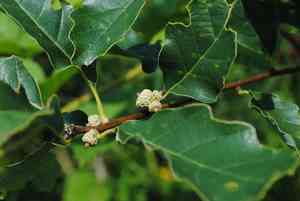
For dwarf chinquapin oak, the ideal period for transplanting extends from the onset of early spring through the peak of late spring. Choose bright locations featuring soil that drains effectively. Careful management of the root system during this phase guarantees successful establishment.
What Preparations are Needed Before Transplanting Dwarf Chinquapin Oak?
What is the Ideal Time for Transplanting Dwarf Chinquapin Oak?
The optimal period for relocating dwarf chinquapin oak is during the revitalization of early to mid-spring. This season provides an excellent combination of moderate temperatures and increased moisture, fostering strong root development and reducing transplant shock. Spring's consistent growth conditions allow dwarf chinquapin oak to establish itself successfully, promising a robust start in its new spot.
How Much Space Should You Leave Between Dwarf Chinquapin Oak Plants?
Greetings budding gardener! For your dwarf chinquapin oak, spacing is crucial. Aim to provide each sapling ample room to thrive - approximately 12-24 feet (3.7-7.3 meters) apart. This ensures each dwarf chinquapin oak can extend its branches and root system as it matures into a beautiful, full-grown tree.
What is the Best Soil Mix for Dwarf Chinquapin Oak Transplanting?
Happy planting! Your dwarf chinquapin oak will flourish in well-draining soil that is slightly acidic. Improve the earth with a balanced, slow-release fertilizer to give your sapling a beneficial boost. Starting with good soil guarantees your dwarf chinquapin oak receives all the necessary nutrients to prosper.
Where Should You Relocate Your Dwarf Chinquapin Oak?
Here's to sunny days! Select a location for your dwarf chinquapin oak where the sun shines generously. Full sunlight is perfect, as it promotes vigorous growth and a happy, healthy tree. A spot that receives at least 6-8 hours of direct sunshine will be a sun-kissed sanctuary for your plant.
What Equipments Should You Prepare Before Transplantation Dwarf Chinquapin Oak?
Gardening Gloves
To safeguard your hands while handling soil and the plant.
Shovel or Spade
To excavate the plant and the new planting site.
Watering Can or Hose
To hydrate the dwarf chinquapin oak prior to and following transplantation.
Wheelbarrow
To move the dwarf chinquapin oak from one place to another if necessary.
Pruning Shears
To trim any dead or damaged roots or branches before replanting.
Mulch
To aid in retaining soil moisture and regulating soil temperature after transplant.
Rooting Hormone (optional)
To stimulate root growth after relocation.
How Do You Remove Dwarf Chinquapin Oak from the Soil?
How Do You Remove Dwarf Chinquapin Oak from the Soil?
From Ground: First, thoroughly water the dwarf chinquapin oak to moisten the soil, which will facilitate digging and minimize root damage. Next, use a shovel or spade to dig a wide perimeter around the plant, being careful not to cut into the root ball. Gently work the shovel beneath the root mass and gradually lift the plant from the ground.From Pot: Water the dwarf chinquapin oak well beforehand, to allow the root ball to slide out more easily. Tilt the pot sideways and gently tap the bottom to loosen the root ball. Gradually ease the plant out, supporting the base and taking care not to pull on the stem.From Seedling Tray: Moisten the soil in the tray, then use a spoon or a dibber to carefully lift the seedlings by holding the leaves, not the stem. Ease the seedling out with the soil surrounding its roots to protect the root system.
Step-by-Step Guide for Transplanting Dwarf Chinquapin Oak
Preparation
Gather the tools and materials you'll need for the transplanting process. Wear your gardening gloves to protect your hands and prepare the new planting area by clearing any weeds or debris.
Plant Removal
Depending on where the dwarf chinquapin oak is currently growing, follow the corresponding removal procedure. Be gentle to minimize root shock and damage.
Transplant Hole
Dig a hole in the ground at the new location that is twice as wide and just as deep as the root ball of the dwarf chinquapin oak.
Placing the Plant
Carefully place the dwarf chinquapin oak in the hole, ensuring it sits at the same depth as it was originally growing. The top of the root ball should be level with the surrounding ground.
Refilling the Hole
Gently backfill the hole with soil, firming it around the root ball. Be careful not to bury the stem or trunk any deeper than it was previously. Water thoroughly to settle the soil.
Mulching
Apply a 2-3 inch layer of mulch around the base of the dwarf chinquapin oak, taking care not to let the mulch touch the trunk, to prevent rot and to conserve moisture.
Watering
Water the newly transplanted dwarf chinquapin oak generously immediately after planting, to help establish it in its new location.
How Do You Care For Dwarf Chinquapin Oak After Transplanting?
Watering
Continue to water the dwarf chinquapin oak deeply and regularly, especially during the first growing season, to help establish strong roots. Adjust frequency based on weather conditions.
Pruning
Prune any dead or damaged branches after transplanting to foster healthy growth and to shape the dwarf chinquapin oak as desired.
Monitoring
Keep an eye on the dwarf chinquapin oak for signs of transplant shock, such as wilted or discolored leaves, and act accordingly.
Staking
If the dwarf chinquapin oak is tall or in an exposed location, you may need to stake it for support until the root system is strong enough to anchor it.
Fertilizing
Hold off on fertilizing immediately after transplanting. Wait until the dwarf chinquapin oak has shown new growth, indicating it has started to establish itself.
Troubleshooting Common Issues with Dwarf Chinquapin Oak Transplantation.
When is the best time to transplant dwarf chinquapin oak?
Ideal for transplanting dwarf chinquapin oak is the season from early to late spring, allowing roots time to establish before winter.
What's the proper spacing for dwarf chinquapin oak?
Ensure to give dwarf chinquapin oak ample room to grow by spacing them 12-24 feet (3.6-7.3 meters) apart.
Why are my dwarf chinquapin oak leaves wilting after transplanting?
Wilting could be due to transplant shock. Water sufficiently and provide shade temporarily to help it recover.
How deep should I dig the hole for dwarf chinquapin oak?
The hole should be twice as wide as the root ball and the same depth to encourage spreading.
Can dwarf chinquapin oak be transplanted in summer?
Transplanting dwarf chinquapin oak in summer is not ideal due to the stress of heat and less optimal root growth.
What should I do if my dwarf chinquapin oak isn't thriving post-transplant?
Ensure proper watering, check for pests/diseases, and consider soil amendments to improve nutrient availability.
How often should I water dwarf chinquapin oak after transplanting?
Water deeply once a week if there's no rainfall, adjusting based on soil drainage and weather conditions.
Should I fertilize dwarf chinquapin oak after transplanting?
Wait to fertilize until dwarf chinquapin oak has established itself, usually after one growing season to avoid burning roots.
How to protect the transplanted dwarf chinquapin oak from wind?
Install a windbreak or stake young trees gently if in a particularly windy area.
Can I transplant dwarf chinquapin oak close to buildings?
It's best to transplant dwarf chinquapin oak at a distance due to its potential size, ensuring root growth won't disrupt foundations.



