How to Transplant Island live oak?
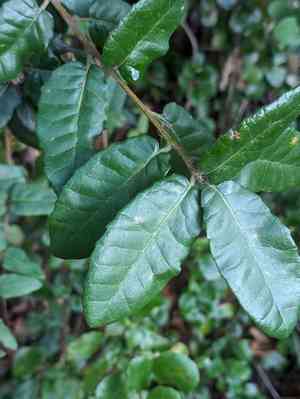
The ideal period for transplanting island live oak is during the mild weather of late spring through early summer, allowing for robust root development prior to autumn. Select a bright, adequately drained spot and ensure the soil remains hydrated following the transfer.
What Preparations are Needed Before Transplanting Island Live Oak?
What is the Ideal Time for Transplanting Island Live Oak?
The optimal period for relocating island live oak falls within the gentle embrace of late spring, extending into early summer. This timeframe, characterized by increasing daylight and mild temperatures, promotes root development, ensuring island live oak flourishes in its new setting. When moved during this season, island live oak benefits from the perfect balance of warm soil and cool evenings, a combination that accelerates root growth while minimizing transplant shock, paving the way for a strong and thriving future.
How Much Space Should You Leave Between Island Live Oak Plants?
Begin by allocating sufficient room for your island live oak. Aim for a spacing of 20-30 ft (6-9 m) to allow your island live oak to expand its branches and root system as it matures. This guarantees each island live oak has adequate space to thrive without becoming overcrowded.
What is the Best Soil Mix for Island Live Oak Transplanting?
Prepare the soil by making it rich and well-draining. You can incorporate some organic compost to supply nutrients. For the initial fertilization, a balanced slow-release fertilizer is appropriate – apply according to the product's instructions. Remember to water the soil after adding the fertilizer to help it reach the roots.
Where Should You Relocate Your Island Live Oak?
Select a site for your island live oak that receives full to partial sunlight. Island live oak performs best with abundant sunshine, at least 6 hours daily, but it can also endure some shade. Ensure your chosen location isn't overshadowed by taller plants or structures.
What Equipments Should You Prepare Before Transplantation Island Live Oak?
Shovel or Spade
To excavate the planting hole and extract the plant from its current spot.
Gardening Gloves
To safeguard your hands while handling soil and the plant.
Watering Can or Hose
To irrigate the island live oak at its new position.
Wheelbarrow or Garden Cart
To move the island live oak and soil, if necessary.
Pruning Shears
To trim any damaged roots or branches before transplanting.
Stakes and Tree Ties
To offer support for the island live oak once it has been replanted.
How Do You Remove Island Live Oak from the Soil?
How Do You Remove Island Live Oak from the Soil?
From Ground: Water the island live oak to moisten the soil around the root ball a day prior to transplanting. Dig a wide circumference around the plant to prevent root damage. Then, dig deeply beneath the plant to free the root ball with as much soil and root mass intact as possible.From Pot: Water the island live oak thoroughly. Tilt the pot sideways and gently tap the bottom and sides to loosen the root ball. Gradually ease the plant out by the base of the stem or by carefully inverting the pot.From Seedling Tray: Dampen the soil before extracting the young island live oak. Carefully work around each plant using a tool like a dibber or a small trowel to lift the seedling with its soil clump, taking care not to disturb the roots.
Step-by-Step Guide for Transplanting Island Live Oak
Timing
Select the appropriate time for transplanting. Early spring or fall are ideal periods for relocating island live oak, as the weather is cooler and moisture is typically more abundant.
Prepare the New Location
Dig a hole that is approximately twice as wide as the root ball of your island live oak and of equal depth.
Remove island live oak
Carefully extract the island live oak from its original spot using the suitable method from the 'removal_process' section.
Placement
Position the island live oak into the newly dug hole. Adjust the depth so that the top of the root ball is level with the surrounding ground surface.
Fill In
Backfill the hole with the excavated soil, gently tamping down around the root ball to eliminate air pockets.
Water Deeply
Water the island live oak to settle the soil around the root ball and provide moisture to the roots.
Support
If needed, stake the island live oak for additional support. Insert stakes outside the root ball area and use tree ties to secure the plant without causing harm.
How Do You Care For Island Live Oak After Transplanting?
Stabilization
Ensure the island live oak is firmly planted and upright. Adjust as necessary within the first few days following transplantation.
Mulching
Apply a layer of mulch around the base of the island live oak, but not touching the trunk, to help retain moisture and regulate soil temperature.
Regular Watering
Water the island live oak consistently to maintain even moisture, especially during the first year after transplanting as the roots establish.
Observation
Monitor the island live oak for signs of transplant shock such as wilting, leaf drop, or discoloration, and address any issues promptly.
Troubleshooting Common Issues with Island Live Oak Transplantation.
What's the ideal time to transplant island live oak saplings?
The perfect window for relocating island live oak is when the weather becomes milder, typically late spring to early summer.
How much space does island live oak need when planting?
To flourish, ensure island live oak has ample room, about 20-30 feet (6-9 meters) apart, to accommodate its future growth.
Why is my island live oak wilting after transplanting?
Wilting post-transplant may stem from root shock. Ensure proper irrigation and avoid excessive root disturbance during the move.
What should I consider before digging up island live oak for transplant?
Determine the root ball's width, aiming for a substantial portion to support the island live oak's stability and nutrient absorption after relocation.
How to mitigate transplant shock in island live oak?
Help island live oak settle by watering it thoroughly after transplant and keeping the soil moist without overwatering for several weeks.
How deep should I dig the new hole for island live oak?
The new hole for island live oak should be twice the root ball's width and the same depth to allow roots to spread naturally.
Should I amend the soil when transplanting island live oak?
Adding compost or aged manure to the hole can enhance nutrient content, aiding island live oak's initial establishment and growth.
When transplanting island live oak, how do I handle the roots?
Gently untangle the roots of island live oak if they are pot-bound. Otherwise, handle them minimally to prevent damage.
How do I choose the best location for transplanting island live oak?
Select a sunny spot with well-draining soil, protected from strong winds, and with sufficient space for island live oak's canopy and root development.
Is watering frequency different after transplanting island live oak?
Yes, island live oak requires consistent moisture after transplanting. Water deeply once a week, more if conditions are particularly dry or hot.



