How to Transplant Black oak?
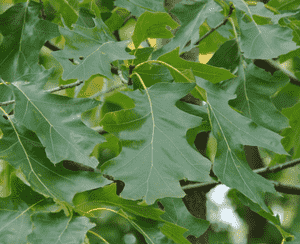
For black oak, the optimal time for relocation is in the early to mid-spring, when the ground is damp and temperatures are moderate. Select sites with good drainage and abundant sunshine to support robust development. Gently manage the root ball to encourage successful integration.
Preparations Required Before Relocating Black Oak
Optimal Timing for Black Oak Relocation?
The most favorable period for moving black oak is at the start of spring, right after the ground thaws. This timing offers black oak prime conditions for root establishment prior to summer's heat. Relocating black oak during this revitalizing season ensures the sapling's vital energy is directed towards developing a robust root system, crucial for its growth and endurance. A friendly reminder: this schedule aligns with nature's rhythm, providing black oak a gentle beginning in its new spot!
Required Spacing Between Black Oak Specimens?
When relocating black oak, ensure a 20-30 foot (6-9 meter) separation. This provides ample room for each plant to thrive without competing. It might seem like a lot, but your plants will benefit greatly in the long run!
Best Soil Blend for Black Oak Relocation?
Before relocating black oak, prepare a sturdy soil base. This plant flourishes best in well-draining soil, ideally slightly acidic to neutral. You might also want to enrich the soil with a nitrogen-rich base fertilizer to encourage growth. A little preliminary work makes a big difference!
Ideal Location for Your Black Oak?
Black oak enjoys soaking up direct sunlight, so choose a garden spot that receives at least six hours of daylight daily. Excessive shade can impede their development. So, find the sunniest areas and let your plant absorb those rays!
Equipment Needed Before Relocating Black Oak?
Gardening Gloves
To safeguard your hands when handling roots and soil.
Shovel or Spade
Essential for digging a hole for black oak at its new site and for extracting it from its original spot.
Watering Can
To provide moisture to the plant as needed at both its initial and new locations.
Mulch
Used to cover the soil surface and help maintain moisture levels.
Pruning Shears
Used to trim any damaged or unhealthy parts of black oak during the relocation process.
How to Extract Black Oak from the Ground?
How to Extract Black Oak from the Ground?
From Ground: First, hydrate the black oak plant to moisten the soil. Dig a wide trench around the black oak using a shovel or spade, ensuring the root ball remains intact. Carefully work the spade beneath the root ball to lift the plant.From pots: Be gentle when removing black oak from a container. Invert the pot while supporting the plant between your fingers. If the plant doesn't come out easily, you may need to gently press the pot's sides to loosen the soil.From seedling trays: Gently grasp the black oak at the stem's base and carefully push up from the cell's bottom to remove it. Ensure not to pull on the plant or harm the roots during this process.
Step-by-Step Guide for Relocating Black Oak
Preparation
Water the plant the day before relocation. This will facilitate removal and reduce stress on the plant during the process.
Digging
Excavate a hole twice the width of your black oak's root ball and of equal depth.
Placing the Plant
Position the black oak's root ball in the hole. The top of the root ball should be level with or slightly above the surrounding soil.
Backfilling
Refill the hole with soil, gently firming it around the root ball.
Watering
Thoroughly water the black oak after planting. As a general guideline, water until the area around the black oak becomes moist, but not excessively saturated.
Mulching
Apply a layer of mulch around the black oak to help retain moisture and suppress weeds.
Post-Relocation Care for Black Oak
Consistent Watering
For the initial weeks after relocation, water the black oak regularly, keeping the soil consistently moist but not waterlogged to ensure proper root system establishment.
Pruning
Trim half of the new growth achieved after relocation. This will encourage the plant to direct its energy towards developing a strong root system rather than above-ground parts.
Monitoring
Observe black oak over the subsequent weeks for signs of distress, such as yellowing leaves or stunted growth. Some stress is normal after relocation, but persistent issues may indicate a problem, so be prepared to act accordingly.
Addressing Common Issues with Black Oak Relocation.
When is the best time to relocate black oak?
The optimal period for relocating black oak is during the cooler seasons, specifically between early spring and late fall.
What is the appropriate distance when relocating multiple black oak?
Ensure a generous gap of approximately 20-30 feet (6-9 meters) between black oak to prevent overcrowding and nutrient competition.
What type of soil should I use when relocating black oak?
Black oak thrives best in well-drained acidic soil. Enrich the soil with compost to provide essential nutrients for optimal growth.
What action should I take if the relocated black oak shows signs of wilting?
Wilting could indicate insufficient watering. Aim to keep the soil moist, not waterlogged, especially in the first few weeks after relocation.
What size pit should I dig for relocating black oak?
The hole should be twice as wide and as deep as the black oak's root ball. Typically, this can be around 20 inches (50 cm) deep.
Why is the black oak turning yellow after being relocated?
Yellowing leaves may signal transplant shock or waterlogged roots. Ensure the black oak is properly drained and be patient as the plant recovers.
How do I prepare the black oak for relocation?
Thoroughly water the black oak a day before relocation. This helps keep the roots hydrated and adaptable to the relocation process.
What do I do if the black oak isnât showing any growth after being relocated?
Black oak may experience transplant shock, appearing dormant for a while. Maintain consistent care, and consider adding a slow-release fertilizer for a nutrient boost.
Should I prune the black oak when relocating?
Minor pruning is acceptable during relocation but avoid severe pruning. This can help the black oak focus its energy on establishing new roots.
How often should I water the relocated black oak?
Water the black oak immediately after relocation, then regularly for the first few weeks. Afterward, watering can be reduced, but the soil should never completely dry out.



