How to Transplant Common buckthorn?
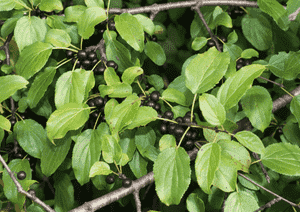
For common buckthorn, the ideal period for relocation is in the pleasant temperatures of late spring through midsummer. Select a site featuring soil that drains effectively and receives either partial or complete sunlight. Ensure sufficient watering following the transplant to aid in root establishment and to preserve soil hydration.
What Preparations are Needed Before Transplanting Common Buckthorn?
What is the Ideal Time for Transplanting Common Buckthorn?
The optimal period to relocate common buckthorn is from late spring through mid-summer. This timeframe encourages robust development and ensures common buckthorn flourishes in its new spot. Happy planting!
How Much Space Should You Leave Between Common Buckthorn Plants?
When moving common buckthorn, ensure ample room for growth. The recommended spacing for this plant is approximately 15-25 feet (4.5-7.6 meters) apart. This guarantees sufficient space for them to thrive without competing for resources.
What is the Best Soil Mix for Common Buckthorn Transplanting?
For successful common buckthorn transplantation, utilize well-draining soil with a loam or sandy loam texture. Incorporate organic matter, such as compost or aged manure, as a foundational fertilizer to supply nutrients for vigorous growth.
Where Should You Relocate Your Common Buckthorn?
To give common buckthorn the best chance to thrive, select a location that receives full sun or partial shade. Seek an area in your garden that gets 6-8 hours of sunlight daily, as this will promote healthy growth for this perennial plant.
What Equipments Should You Prepare Before Transplantation Common Buckthorn?
Gardening Gloves
To safeguard your hands while handling soil and the plant.
Shovel or Spade
For digging holes and trenches for relocation.
Trowel
To loosen and remove earth surrounding the root ball.
Pruning Shears
To trim any damaged or dead branches prior to transplanting.
Watering Can or Garden Hose
To hydrate the plant during and after the relocation process.
Gardening Fork
To assist in carefully lifting the plant from its original spot, especially if it's in the ground.
Wheelbarrow or Garden Cart
To move the plant from its initial location to the new planting site.
How Do You Remove Common Buckthorn from the Soil?
How Do You Remove Common Buckthorn from the Soil?
- From Ground:First, water the common buckthorn plant to moisten the soil. Then, excavate a wide trench around the plant using a shovel or spade, ensuring the plant's root ball remains intact. Carefully work the spade beneath the root ball to lift the plant from its original position. A gardening fork can also aid in lifting the plant if necessary.- From Pot:Water the common buckthorn plant to dampen the soil in the container. Gently tilt the pot on its side and carefully slide the plant out, making sure to keep the soil and root ball undisturbed. If the plant is too large or the pot too heavy, seek assistance for safe handling.- From Seedling Tray:Water the common buckthorn seedlings to moisten the soil. Use a trowel or your fingers to gently separate the individual seedlings from the tray, taking care not to harm the roots.
Step-by-Step Guide for Transplanting Common Buckthorn
Site Selection
Choose a spot with adequate sunlight and room for your common buckthorn plant to reach its mature size.
Digging the Hole
Excavate a hole twice as wide as the plant's root ball and equally deep, using a shovel or spade. Gently loosen the soil at the bottom and sides of the hole to encourage better root development.
Preparing the Plant
Trim any damaged or dead branches from the common buckthorn plant using pruning shears before relocating it.
Placing the Plant
Carefully position the common buckthorn plant into the hole, ensuring the root ball is level with the surrounding soil. Gently spread out the roots if they are circling or compacted.
Backfilling
Refill the hole with soil, gently pressing down to eliminate air pockets. Ensure the common buckthorn plant is firmly in place but avoid over-compacting the soil.
Watering
Gently water the common buckthorn plant using a watering can or garden hose, moistening the soil around the root ball. This will help the plant settle and establish roots in its new location.
How Do You Care For Common Buckthorn After Transplanting?
Watering
Keep the soil around the common buckthorn consistently damp, but not waterlogged, for the initial few weeks post-transplant to aid in strong root establishment.
Mulching
Apply a layer of organic mulch around the base of the common buckthorn plant to help retain moisture, regulate soil temperature, and suppress weeds.
Pruning
Periodically trim any damaged, dead, or diseased branches to promote healthy growth and maintain the plant's form.
Monitoring
Keep a close watch on the common buckthorn plant for any indications of stress, such as wilting, yellowing leaves, or pest infestation. Address any issues promptly to ensure the plant thrives in its new location.
Troubleshooting Common Issues with Common Buckthorn Transplantation.
When is the best time to transplant common buckthorn?
Relocate common buckthorn ideally during late spring or midsummer to foster optimal growth and well-being.
What's the proper spacing for transplanting common buckthorn?
Space common buckthorn plants approximately 15-25 feet (4.5-7.6 meters) apart to allow for adequate growth and air circulation.
How much sunlight does common buckthorn require after transplanting?
Provide common buckthorn with full sun or partial shade, ensuring at least 4-6 hours of direct sunlight daily.
What kind of soil should I use for transplanting common buckthorn?
Utilize well-draining, loamy, or sandy soil with a neutral to slightly alkaline pH for transplanting common buckthorn.
How deep should I plant common buckthorn during transplanting?
Plant common buckthorn about 10 inches (25 cm) deep, covering the roots but not burying the stem too deeply.
How much water does common buckthorn need after transplanting?
Water common buckthorn generously after transplanting, then provide consistent moisture without overwatering the plant.
What are common issues faced during common buckthorn transplanting?
Frequent problems include overwatering, insufficient sunlight, poor soil quality, and incorrect planting depth.
How can I improve the success rate of common buckthorn transplanting?
Ensure correct planting depth, healthy soil conditions, ample sunlight exposure, and good watering practices.
Should I fertilize common buckthorn after transplanting?
Fertilize common buckthorn lightly with a slow-release, balanced fertilizer after transplanting to support its growth.
How can I protect common buckthorn from pests after transplanting?
Monitor common buckthorn closely for pests, and apply insecticidal soap or neem oil if an infestation occurs.



