How to Transplant Indian hawthorn?
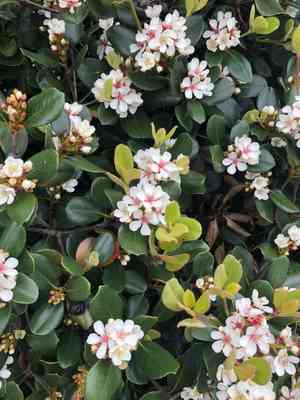
For relocating indian hawthorn, select a timeframe between early and mid-spring, allowing the plant to develop its root system prior to the summer's intense warmth. Verify the chosen spot offers soil with good drainage and receives partial to full sunlight. Exercise caution to prevent root injury during the transfer to ensure thriving development.
What Preparations are Needed Before Transplanting Indian Hawthorn?
What is the Ideal Time for Transplanting Indian Hawthorn?
The optimal period to relocate indian hawthorn is during the initial bloom of early to mid-spring. Moving indian hawthorn at this time allows the root system to establish itself thoroughly before the intense summer heat, thus fostering healthier development. A friendly reminder: always prepare your plant for this transition, as it significantly aids post-transplant recovery.
How Much Space Should You Leave Between Indian Hawthorn Plants?
For relocating your indian hawthorn, it's best to position them 3-5 feet (0.9-1.5 meters) apart. This will provide ample room for their growth and expansion.
What is the Best Soil Mix for Indian Hawthorn Transplanting?
To prepare the ground for your indian hawthorn, incorporate well-draining soil, such as loam or sandy loam, and add some compost or a slow-release granular fertilizer to supply nutrients.
Where Should You Relocate Your Indian Hawthorn?
Select a spot for your indian hawthorn that receives full sun to partial shade â at least 4-6 hours of daily sunlight is perfect for robust growth.
What Equipments Should You Prepare Before Transplantation Indian Hawthorn?
Gardening Gloves
To safeguard your hands while handling the plant and soil.
Shovels or Spades
An essential implement for excavating the soil to extract the plant and for preparing the new site.
Garden Trowel
This small hand tool will assist in digging out smaller plants, or those in containers.
Pruning Shears
These will be used to snip off any diseased, dead, or damaged portions of the plant prior to transplanting.
Watering Can or Hose
Crucial for hydrating the plant before and after the relocation process.
Wheelbarrow
For conveying the indian hawthorn from its original spot to the new transplant location.
How Do You Remove Indian Hawthorn from the Soil?
How Do You Remove Indian Hawthorn from the Soil?
From Ground: Start by watering the indian hawthorn plant to moisten the soil, which will facilitate the digging process. Carefully excavate a wide trench around the plant using a shovel or spade, ensuring not to harm the plant's root ball. Gently work the spade beneath the root ball and lift the plant from its initial position.From Pot: Hydrate the indian hawthorn plant before you begin. Then, turn the pot on its side and gently tap it to release the plant. If the plant doesn't come loose, you might need to carefully cut the pot from the sides to prevent root damage.From Seedling Tray: Dampen the soil with water and then carefully lift the indian hawthorn plant with a garden trowel, taking care not to injure the delicate root system.
Step-by-Step Guide for Transplanting Indian Hawthorn
Digging the Hole
Prepare a suitable cavity in the new location that is twice as wide and the same depth as the root ball.
Placing the Plant
Position the indian hawthorn into the hole, ensuring that the top of the root ball is level with the ground surface.
Filling the Hole
Backfill the cavity with soil, gently firming it around the base of the indian hawthorn.
Watering
Finally, provide the relocated indian hawthorn with a thorough watering and monitor its hydration level over the subsequent days.
How Do You Care For Indian Hawthorn After Transplanting?
Watering
Ensure the indian hawthorn receives adequate water after transplanting, but be careful not to overwater as this could lead to root rot. Maintain consistent soil moisture without allowing it to become waterlogged.
Pruning
Trim any damaged or diseased branches after transplanting to help the plant direct its energy towards establishing new roots.
Mulching
Apply a thin layer of organic mulch around the base of the indian hawthorn. This will aid in retaining moisture, controlling weeds, and regulating soil temperature.
Monitoring
Observe the indian hawthorn closely for the first few weeks. If you notice any wilting or yellowing leaves, it might indicate transplant shock, which can be managed with appropriate care.
Troubleshooting Common Issues with Indian Hawthorn Transplantation.
When's the best time to transplant indian hawthorn?
As winter transitions into the gentle embrace of spring, specifically early to mid-spring, is the ideal moment to relocate indian hawthorn.
What's the suitable space to maintain between each indian hawthorn while transplanting?
Allow each indian hawthorn ample room to thrive! Aim for a separation of 3-5 feet (approximately 1-1.5 meters) between each transplanted specimen.
How deep should I prepare the hole for transplanting indian hawthorn?
Excavate a hole that is twice the width of indian hawthorn's root ball and of equal depth. This provides the roots sufficient space to spread and grow.
Should I water indian hawthorn immediately after transplanting?
Absolutely. Following the relocation of indian hawthorn, thoroughly drench the surrounding soil. This helps settle the soil, eliminate air pockets, and ensure good root contact.
What's the suitable soil type required for transplanting indian hawthorn?
Indian hawthorn prefers well-draining soil. Enrich the soil with plenty of organic matter and ensure it's not too dense, as this could harm the indian hawthorn's root ball.
How much sunlight does indian hawthorn need after transplantation?
Indian hawthorn thrives in partial to full sun exposure. Too little light may result in sparse growth, and excessive light could cause leaf burn. Find that optimal balance.
How to care for indian hawthorn post-transplant?
Continue to water indian hawthorn regularly and monitor its development. For the initial year after transplanting, provide additional water during dry spells to mitigate transplantation shock.
What should I do if indian hawthorn shows signs of wilting after transplantation?
Don't be concerned! Some wilting is normal after transplant. Keep the soil moist but avoid overwatering. If wilting persists, the plant may be experiencing transplant shock.
How to treat indian hawthorn if it catches a disease after transplantation?
First, identify the ailment. Employ an appropriate fungicide or pest treatment, and remove affected foliage if necessary. A healthy indian hawthorn will typically recover with proper attention.
Can I use fertilizer during indian hawthorn transplantation?
Applying a balanced slow-release fertilizer during the transplantation process can bolster indian hawthorn's growth and foster a stronger root system. Just be careful to prevent root burn.



