How to Transplant Rhubarb?
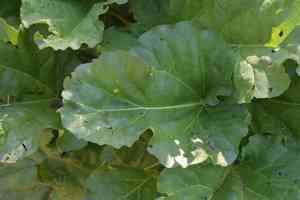
The optimal period for transplanting rhubarb is in mid-spring, as moderate temperatures facilitate root development without the strain of intense warmth. Select a site that receives ample sunlight and possesses good drainage. A helpful suggestion: verify the new area has sufficient space for rhubarb's robust expansion.
What Preparations are Needed Before Transplanting Rhubarb?
What is the Ideal Time for Transplanting Rhubarb?
The optimal period to relocate rhubarb is during the lively days of mid to late spring. This timeframe offers an ideal balance of cool weather and the onset of the growing season, ensuring rhubarb roots establish well before summer heat. Moving the plant at this time allows ample recovery and thriving in mild temperatures, promoting robust growth and a generous yield in future seasons. Remember, a successful transplant starts with careful attention and proper groundwork to guarantee your rhubarb's prosperity.
How Much Space Should You Leave Between Rhubarb Plants?
Prior to beginning, ensure rhubarb plants have sufficient room to flourish. Aim for a separation of approximately 4-5 feet (1.2-1.5 meters). This provides for significant growth and safeguards their overall health.
What is the Best Soil Mix for Rhubarb Transplanting?
For productive soil, combine well-drained garden soil with rich organic material and ensure the pH is between 6.0 and 6.8. Before planting rhubarb, incorporate a foundational fertilizer such as aged manure or compost to supply essential nutrients.
Where Should You Relocate Your Rhubarb?
Select a sunny location for your rhubarb, as it requires full sun exposure. However, light afternoon shade can also be beneficial, especially in warmer climates. Remember, appropriate light conditions foster stronger growth.
What Equipments Should You Prepare Before Transplantation Rhubarb?
Spade or Shovel
These tools are essential for excavating the rhubarb from its original spot and for preparing the new planting area.
Gardening Gloves
To safeguard your hands while handling soil and the plant.
Gardening Fork
To gently extract the rhubarb from its pot or seedling tray.
Watering Can
Required to hydrate the plant before and after its relocation.
Mulch
To shield the rhubarb and help maintain soil moisture after transplanting.
How Do You Remove Rhubarb from the Soil?
How Do You Remove Rhubarb from the Soil?
From Ground: Rhubarb is a deep-rooted plant. It's generally easiest to transplant young plants with smaller root systems. Begin by thoroughly watering the plant to make the soil more manageable, then carefully use a spade or shovel to dig around the plant, keeping as much of the root system intact as possible. Gently pry the plant out of the ground to prevent damage.From Pot: Water the rhubarb plant well before attempting to remove it from the pot to simplify the process. Turn the pot sideways and carefully extract the plant. If removal is difficult, use a gardening fork to gently loosen the plant from the pot. Try to keep the root ball as intact as possible.From Seedling Tray: Before removal, water the seedlings to minimize root disturbance. Pinch the base of the seedling and lift gently, taking care not to harm the stem, root, or leaves.
Step-by-Step Guide for Transplanting Rhubarb
Digging the Hole
Excavate a hole that is twice as wide and equally as deep as the rhubarb's root ball. This will provide ample room for the roots to spread and establish themselves in their new location.
Placing the Plant
Carefully position the rhubarb in the hole. Ensure the top of the root ball is level with the surrounding soil surface.
Filling the Hole
Backfill the hole with the same soil you removed. Gently firm the soil around the plant to eliminate any air pockets.
Watering the Plant
Thoroughly water the plant immediately after transplanting. This will help the plant settle into its new environment and aid in establishing good soil contact with the roots.
How Do You Care For Rhubarb After Transplanting?
Watering
Water the rhubarb plant generously right after transplanting, and continue to provide ample moisture in the following weeks to help establish strong roots. Avoid excessive watering, as this can lead to root rot.
Mulching
Apply a layer of mulch around the rhubarb to help retain moisture and suppress weed growth. This should be done after planting and can be reapplied annually.
Pruning
Remove any dead or yellowing leaves from the rhubarb plant after transplanting to prevent disease and encourage healthier growth.
Troubleshooting Common Issues with Rhubarb Transplantation.
What's the ideal time of year to transplant rhubarb?
The optimal period to transplant rhubarb is between late summer and early fall, or S2-S3 season.
What distance should I maintain between each rhubarb during transplantation?
Rhubarb needs room to grow, so maintain a spacing of around 4 to 5 feet (1.2 - 1.5 meters) between plants.
Can I transplant rhubarb into a pot instead of a garden?
Rhubarb can thrive in pots. Just ensure adequate drainage, sunlight, and to keep the recommended ideal plant spacing.
How deep to dig the hole for rhubarb transplant?
A hole thatâs around 10 inches (25 cms) deep will be plenty for rhubarb. It's perfect for its hearty roots.
Should I water rhubarb immediately after transplanting?
Yes, provide a good initial watering after you transplant rhubarb. This helps settle the soil around the plant's roots.
What type of soil does rhubarb prefer during transplantation?
Rhubarb prefers well-drained, fertile soil for transplantation. Adding compost to the plant hole can improve the fertility.
How much sunlight does rhubarb need after transplanting?
Rhubarb needs plenty of sunlight. Aim for a location that receives at least 6-8 hours of sunlight daily post-transplant.
Can transplanting rhubarb affect its growth?
If done properly, transplanting shouldn't affect rhubarb's growth. Ensure it's the right season and the plant is handled gently.
How to care for rhubarb after the transplant?
Water it regularly, maintain the soil fertility with compost, keep it in full sun, and protect it from harsh weather.
What are common problems to watch out for post-transplant?
Watch for signs of water stress (wilted, dry leaves), pests, and poor growth. Correct environmental conditions if these signs appear.



