How to Transplant Mistletoe cactus?
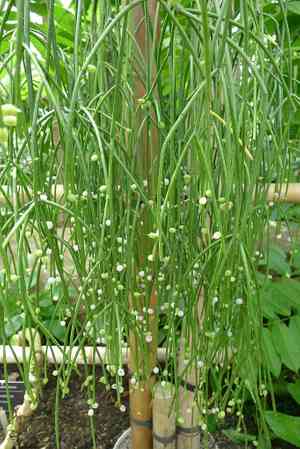
The ideal period for relocating mistletoe cactus spans from the end of spring to the close of summer, due to the favorable warm conditions and abundant solar exposure. Select a spot that receives ample, diffused illumination. Be sure to manage the cuttings with care to prevent harm, thereby guaranteeing a successful transfer!
What Preparations are Needed Before Transplanting Mistletoe Cactus?
What is the Ideal Time for Transplanting Mistletoe Cactus?
The period spanning from late spring to the close of summer is optimal for relocating mistletoe cactus. This timeframe provides mistletoe cactus with ample warmth and sunlight, crucial for robust root development. Moving mistletoe cactus during this season aids its adjustment and fosters prime growth. A timely transplant for mistletoe cactus leads to a healthy, flourishing specimen.
How Much Space Should You Leave Between Mistletoe Cactus Plants?
When relocating mistletoe cactus, allow approximately 10-15 cm (4-6 inches) of space between each plant. This spacing will offer sufficient room for their comfortable growth and expansion.
What is the Best Soil Mix for Mistletoe Cactus Transplanting?
For mistletoe cactus, a well-draining substrate such as a cactus potting mix or a peat-based blend with added perlite will perform best. To encourage vigorous growth, incorporate a slow-release fertilizer prior to transplanting.
Where Should You Relocate Your Mistletoe Cactus?
Select a spot for mistletoe cactus that receives bright, indirect illumination or filtered shade. Avoid exposing the plant to intense, direct sun, as this can lead to burning or discoloration.
What Equipments Should You Prepare Before Transplantation Mistletoe Cactus?
Gardening Gloves
Crucial for safeguarding your hands when handling soil and your mistletoe cactus plant.
Trowel
This small hand tool is perfect for excavating minor holes or clearing away dirt.
Spade
A larger implement for digging bigger holes or moving greater volumes of soil.
Pot
If your mistletoe cactus plant is too small for direct placement in the ground, it can initially be cultivated in a container.
Watering Can
Needed for hydrating the plant during and after the transplanting process.
Pruning Shears
These are necessary for trimming off any sections of the mistletoe cactus that may have sustained damage during removal.
How Do You Remove Mistletoe Cactus from the Soil?
How Do You Remove Mistletoe Cactus from the Soil?
From Ground: Begin by gently watering the mistletoe cactus plant to help loosen the surrounding soil. Use a spade to dig a wide trench around the plant, being careful to keep the root ball intact. Use the spade or your hands to carefully lift the plant from the ground.From Pot: Start by watering the mistletoe cactus, then turn the container sideways and gently tap it to dislodge the plant. Hold the base of the plant and carefully pull it out, supporting the root ball.From Seedling Tray: If your mistletoe cactus is a seedling in a tray, water it first. Then, invert the seedling tray, and gently tap until the seedlings slide out. Handle them carefully by their leaves to avoid damaging the roots.
Step-by-Step Guide for Transplanting Mistletoe Cactus
Preparation
Ensure the new site for your mistletoe cactus has been properly readied and the hole is of appropriate size for the root ball.
Transfer
Carefully position the mistletoe cactus into the new hole, ensuring it is at the same depth as it was in its previous location.
Filling In
Gently backfill the hole with soil, patting lightly to eliminate any air pockets.
Watering
Provide your mistletoe cactus with a generous amount of water after transplanting. This will help the soil settle and aid the plant in establishing itself.
Check
Monitor the plant for several days post-transplant. Look for any indications of transplant shock, such as wilting or leaf drop, and respond accordingly.
How Do You Care For Mistletoe Cactus After Transplanting?
Checking Regularly
Periodically inspect the mistletoe cactus for any signs of distress or illness, particularly in the weeks immediately following relocation.
Pruning
If necessary, trim twigs or branches of the mistletoe cactus only after the plant has recovered from transplant shock.
General Care
Continue with consistent watering, but also introduce a balanced, slow-release fertilizer to encourage healthy growth in the mistletoe cactus. Avoid excessive watering as this can lead to root rot.
Troubleshooting Common Issues with Mistletoe Cactus Transplantation.
When is the best time to transplant mistletoe cactus?
Ideally, you should relocate mistletoe cactus from late spring to late summer when the plant is most vigorous and conditions are optimal for root establishment.
What is the correct spacing when transplanting my mistletoe cactus?
Each mistletoe cactus should be positioned approximately 4-6 inches (10-15 cm) apart. This spacing allows ample room for growth and ensures good air circulation.
What kind of soil does mistletoe cactus prefer?
Mistletoe cactus thrives in a well-draining soil mixture. You can use a 50/50 blend of potting soil and perlite, or a specialized cactus potting mix. Avoid dense, moisture-retentive soils.
How deep should I plant mistletoe cactus during transplantation?
Replant the mistletoe cactus so it's at the same depth as it was in its previous container. It is crucial not to bury the stem too deeply to prevent decay.
How do I pre-water the mistletoe cactus before transplanting?
Thoroughly moisten the root ball of your mistletoe cactus a few hours prior to transplantation. This helps mitigate transplant shock and ensures hydration.
How soon should I water mistletoe cactus after transplanting?
It's best to wait a few days after relocating mistletoe cactus before watering. This practice allows the roots time to heal and adapt to their new surroundings.
Should I prune mistletoe cactus before transplanting?
Yes, trim any damaged or disease-affected parts of mistletoe cactus before transplanting, ensuring the plant can properly direct its energy towards new growth.
How should I handle mistletoe cactus during transplantation to avoid damage?
Gently remove mistletoe cactus from its current pot, handling it by the root ball and not the stems. This approach prevents accidental harm to the plant's structure.
Can transplantation stress affect my mistletoe cactus?
Yes, like any plant, mistletoe cactus can experience transplant shock. Symptoms may include wilting, yellowing, or dropped leaves. Provide appropriate care, and the plant should recover.
After transplanting, where should I place my mistletoe cactus for optimum growth?
Post-transplant, place mistletoe cactus in a shaded spot and gradually introduce it to more light. Remember, mistletoe cactus prefers bright but indirect light and high humidity conditions.



