How to Transplant Great laurel?
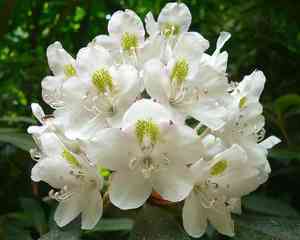
Springtime presents an ideal opportunity for transplanting great laurel, given that the moderate temperatures facilitate root integration. Select locations with partial shade and soil that is damp yet drains effectively. Exercising care during handling is essential to prevent disturbing its delicate root structure.
What Preparations are Needed Before Transplanting Great Laurel?
What is the Ideal Time for Transplanting Great Laurel?
The perfect time for relocating great laurel is early spring, as mild weather and damp soil encourage new root development. Choosing this season ensures a smooth transition and robust growth for great laurel, allowing it to integrate seamlessly into its new surroundings. This provides an opportune moment for transplanting, fostering healthier development and minimizing shock, all while you enjoy the pleasant, fresh spring air.
How Much Space Should You Leave Between Great Laurel Plants?
When moving great laurel, position each plant approximately 4-6 feet apart (1.2-1.8 meters). This provides ample room for root expansion, promoting healthy plant maturation! Aim to replicate a natural growing environment for optimal outcomes.
What is the Best Soil Mix for Great Laurel Transplanting?
Before planting great laurel, enrich your soil with organic material. This boosts fertility, leading to healthier plants. You might use a foundational fertilizer formulated for acid-loving plants, as great laurel prefers soil pH below 7.0 - just check the fertilizer packaging!
Where Should You Relocate Your Great Laurel?
Select a spot for your great laurel that receives ample light but avoids direct sun - ideally, partial shade. The afternoon sun can be too intense, especially during warmer months. Therefore, a location with morning sun and afternoon shade would be ideal.
What Equipments Should You Prepare Before Transplantation Great Laurel?
Garden Trowel
A small hand tool useful for digging minor holes and loosening the earth around your great laurel.
Gardening Gloves
To safeguard your hands while handling soil and the plant.
Garden Spade
A larger implement for excavating bigger holes to accommodate your great laurel plant.
Watering Can
For hydrating the plant both prior to and following transplantation.
Secateurs or Pruning Shears
Useful for trimming any dead or excess parts of great laurel before and after the transplant.
Garden Wheelbarrow or Heavy-Duty Garden Tarp
To move great laurel from its original spot to the new location.
Mulch
To help retain moisture in the soil after relocation.
How Do You Remove Great Laurel from the Soil?
How Do You Remove Great Laurel from the Soil?
From Ground: Start by watering your great laurel plant to moisten the soil, making it easier to excavate without harming the root ball. Use a garden spade to dig around the plant, ensuring the plant's root ball remains intact. Once the plant has been successfully unearthed, transport it to the new site using a wheelbarrow or tarp.From Pot: Begin by watering the great laurel plant. Then, gently tilt the pot on its side and slowly slide the plant out, being careful not to pull or damage the roots. Avoid directly handling the root ball as much as possible. Support the plant by its main stem and let the pot fall away.From Seedling Tray: Water the great laurel plant thoroughly. To extract the plant from its cell, push up from the bottom. Try to avoid pulling on the stems of the small plants to prevent damage. Once the plant is removed from its cell, handle it by the leaves or root ball, not by the stem.
Step-by-Step Guide for Transplanting Great Laurel
Digger Indents
Use your garden trowel to dig a hole in your garden that is twice the width and the same depth as the root ball of your great laurel.
Inspecting Roots
Quickly examine the root ball. If you notice any broken or torn roots, trim them back with your secateurs or pruning shears.
Placing Plant
Position your great laurel in the center of the hole you've just dug. The top of the root ball should be level with the top of the hole.
Backfilling
Begin filling in the hole, compacting the soil as you go. This will eliminate any air pockets.
Watering
Once your great laurel is settled in the hole and the hole is filled, use your watering can to thoroughly water the great laurel.
Mulching
As the final step, spread a 2-3 inch layer of mulch around your great laurel to help maintain soil moisture and temperature. Keep the mulch away from directly touching the stem.
How Do You Care For Great Laurel After Transplanting?
Watering
Ensure you water your great laurel plant regularly during dry spells or if you observe wilting. Excessive watering can lead to root diseases.
Pruning
Occasional trimming can keep your plant healthy and looking its best. Prune your great laurel in late winter or early spring.
Mulch Refreshment
Replenish the mulch around your great laurel plant periodically, but ensure it's not piled up against the stem.
Monitoring
Keep an eye on your great laurel for signs of stress after the transplant, such as wilting or yellowing leaves. If such symptoms persist, it may require additional care.
Troubleshooting Common Issues with Great Laurel Transplantation.
What's the best time to transplant great laurel?
Relocate great laurel during the cooler seasons, specifically late winter to early spring (S1-S3). This allows ample recovery time before summer heat.
How far apart should I space great laurel during transplanting?
It's best to space great laurel 4-6 feet (1.2-1.8 meters) apart. Adequate spacing prevents overcrowding, promoting optimal growth and health.
Whatâs the proper soil preparation for transplanting great laurel?
Loosen the soil and enrich it with organic matter. Great laurel thrives in well-drained, slightly acidic soil with abundant organic material.
How do I remove great laurel from its current location for transplanting?
Carefully dig around great laurel, ensuring you extract a substantial amount of soil along with the root ball. Avoid damaging roots during removal.
What size of a hole should I dig for transplanting great laurel?
Dig a hole twice as wide and as deep as the root ball. This provides the roots ample space to grow.
What's the right way to put great laurel in its new location?
Place great laurel in the hole, making sure the top of the root ball is level with or slightly above the surrounding soil surface.
How do I care for great laurel after transplanting?
Water great laurel promptly after transplanting. Keep the soil moist, but not waterlogged. Mulch around, but not on top of the root ball.
Can great laurel be transplanted in a pot?
Absolutely! Great laurel can flourish in pots too. Ensure the pot is large enough for the roots and has good drainage.
What if the leaves of my transplanted great laurel turn yellow?
Yellowing leaves could indicate water stress or nutrient deficiency. Adjust watering habits, provide shade from intense sun, and consider a balanced fertilizer.
Will great laurel bloom after transplanting?
Post-transplant bloom may be delayed as the great laurel adjusts to its new environment. With proper care, it'll bloom splendidly the following season.



