How to Transplant Smooth sumac?
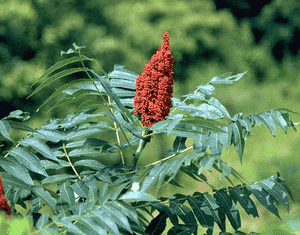
The ideal period for relocating smooth sumac is in the tranquil onset of early to mid-spring, as the plant emerges from its dormant state and can readily adapt. Select a location that receives full sun to partial shade and features soil with good drainage for optimal outcomes. Following the transplantation of smooth sumac, provide ample watering to foster the development of its root system.
What Preparations are Needed Before Transplanting Smooth Sumac?
What is the Ideal Time for Transplanting Smooth Sumac?
The best time to move smooth sumac is in early to mid-spring. This period offers smooth sumac an excellent start, aligning with its natural growth cycle for stronger establishment as warmer, wetter weather approaches. Planting smooth sumac then maximizes root development before summer, helping it thrive with minimal stress. A helpful hint: mild spring conditions allow for a smoother transition for smooth sumac, fostering robust health and vigor for a stunning garden display.
How Much Space Should You Leave Between Smooth Sumac Plants?
For smooth sumac, ensure ample room between plants. Ideally, each plant should be spaced approximately 5-6 feet (1.5-1.8 meters) apart. This provides sufficient area for the plant to grow and spread without interfering with neighboring specimens.
What is the Best Soil Mix for Smooth Sumac Transplanting?
Prepare the soil for smooth sumac with a balanced blend of sand, silt, and clay, also known as loamy soil. Before planting, enrich the ground with a slow-release, balanced base fertilizer. This not only supplies nutrients but also improves soil fertility.
Where Should You Relocate Your Smooth Sumac?
When selecting a new spot for your smooth sumac, remember it flourishes in full sun to partial shade. Therefore, choose a location that receives ample sunlight throughout the day. This helps smooth sumac develop its vibrant autumn colors.
What Equipments Should You Prepare Before Transplantation Smooth Sumac?
Hand Trowel
Useful for digging holes when relocating young plants or small specimens.
Spade
Essential for moving larger plants and creating bigger planting sites.
Gardening Gloves
To safeguard your hands while working with the soil and the smooth sumac plant.
Watering Can
To hydrate the smooth sumac plant both before and after its relocation.
Pruning Shears
To trim the smooth sumac plant if needed, which can lessen stress on the plant during the transplanting process.
Wheelbarrow or Plant Dolly
Helpful for transporting larger smooth sumac plants during relocation.
Mulch
To be applied after transplanting to help the soil retain moisture, prevent weed growth, and keep the roots cool.
How Do You Remove Smooth Sumac from the Soil?
How Do You Remove Smooth Sumac from the Soil?
From Ground: Start by watering the smooth sumac plant to soften the earth. Using a spade or trowel, dig a wide trench around the plant, considering its overall spread. Try to keep the entire root ball intact. Carefully work the spade or trowel beneath the root ball to lift the plant, ensuring minimal root damage.From Pot: Water the smooth sumac plant thoroughly, then tilt the pot on its side. Gently ease the plant out; ideally, the whole root ball should emerge intact. Avoid pulling on the stems or leaves, which can harm the plant.From Seedling Tray: Ensure the smooth sumac seedlings are well-hydrated, then squeeze the plastic tray to loosen them. Carefully remove the seedlings by holding their leaves (not their stems), and gently separate tangled roots.
Step-by-Step Guide for Transplanting Smooth Sumac
Preparation
Begin by thoroughly watering the smooth sumac to reduce its stress during the relocation process.
Digging
Excavate a hole in the new spot that is twice as wide and deep as the root ball of your smooth sumac plant. This hole size provides ample room for the roots to expand.
Transplanting
Gently place the smooth sumac plant into the hole. The top of the root ball should be level with the surrounding soil surface.
Backfilling
Refill the hole with soil, creating a slight mound at the top. Be sure to lightly compact the soil around the plant's base for support.
Watering
Water the smooth sumac thoroughly immediately after transplanting. Saturate the root zone to help settle the soil around the roots.
How Do You Care For Smooth Sumac After Transplanting?
Watering
The smooth sumac requires consistently moist soil for the initial two weeks following transplanting. This aids in establishing robust root growth.
Pruning
Consider light trimming after relocation to decrease the plant's water needs and encourage healthier development.
Mulching
Apply a layer of mulch around the base of the smooth sumac to help retain soil moisture and suppress weeds. Avoid piling mulch against the plant's stem to prevent rot.
Observation
Closely monitor the smooth sumac after transplantation, checking daily for signs of water stress or disease.
Managing pests
Watch for any pests or diseases that could impact the plant's growth and recovery, treating as necessary.
Fertilizing
Wait at least one month after transplanting before applying any fertilizers to prevent root burn.
Troubleshooting Common Issues with Smooth Sumac Transplantation.
When's the best time to transplant smooth sumac?
The optimal period for transplanting smooth sumac is typically between season 1 and season 2. This timeframe allows the plant sufficient time to establish roots before the harsh conditions of other seasons.
How much space should I provide when transplanting smooth sumac?
Give each smooth sumac a generous 5 to 6 feet (1.5 to 1.8 meters) of space when planting to ensure they have ample room to thrive.
Why are my newly transplanted smooth sumac wilting?
Wilting usually indicates stress. Ensure smooth sumac are adequately watered, but not excessively. Check the soil's moisture and adjust your watering schedule accordingly.
What should I do if my smooth sumac aren't growing after being transplanted?
Plants sometimes experience shock when relocated. Ensure your smooth sumac are in a spot that receives plenty of sunlight and that the soil drains well. Also, consider enriching your soil with organic matter to provide essential nutrients.
What's the ideal soil for transplanting smooth sumac?
Smooth sumac prefer well-draining, fertile soil. Add compost or well-rotted manure to enrich the soil and improve its structure for optimal growth.
Why are the leaves of my transplanted smooth sumac turning yellow?
Yellow leaves might signal overwatering, nutrient deficiency, or disease. Review your watering routine, enhance the soil with organic nutrients, and if the problem persists, consider consulting an expert for disease assessment.
Does smooth sumac require staking when transplanted?
Smooth sumac is quite robust and generally doesn't need staking. However, if planted in particularly windy areas, a stake can help prevent the plant from leaning or becoming uprooted.
Does smooth sumac benefit from a layer of mulch after transplanting?
Yes, mulch will help retain soil moisture, suppress weed growth, and release nutrients into the soil as it decomposes. Apply 2-3 inches (5-7.6 cm) of organic mulch around the plant, but not touching the stem to avoid potential rot.
How frequently should the transplanted smooth sumac be watered?
For the first few weeks after transplanting, ensure the soil remains consistently moist, but not waterlogged. Afterward, watering can be reduced to when the top inch (2.5 cm) of soil is dry.
Any specific advice for handling smooth sumac during the transplant?
During the transplant, avoid damaging the roots of smooth sumac and try to keep as much of the original soil around them as possible. This reduces transplant shock and promotes quicker recovery.



