How to Transplant Curly dock?
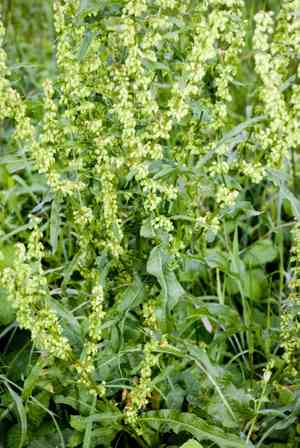
The optimal period for relocating curly dock spans from mid-spring through mid-summer, as this species flourishes during these warm, brightly lit months. Curly dock favors soil that drains effectively and a spot exposed to ample sunlight. Ensure consistent watering following transplantation to guarantee the plant's successful integration.
What Preparations are Needed Before Transplanting Curly Dock?
What is the Ideal Time for Transplanting Curly Dock?
The optimal period for relocating curly dock falls between mid-spring and mid-summer. This timeframe allows the perennials ample opportunity to establish robust root systems, promoting vigorous growth and resilience. Your curly dock will flourish, we assure you!
How Much Space Should You Leave Between Curly Dock Plants?
When moving curly dock, ensure each plant is positioned approximately 2-3 feet (60-90 cm) apart. This spacing provides sufficient room for growth and the development of strong root structures.
What is the Best Soil Mix for Curly Dock Transplanting?
For curly dock, opt for well-draining soil with a pH ranging from slightly acidic to neutral. Incorporating a balanced, slow-release fertilizer, such as 10-10-10 (N-P-K), into the soil prior to transplanting will support healthy development.
Where Should You Relocate Your Curly Dock?
Select a garden spot that offers curly dock partial to full sunlight for optimal growth. While this plant can endure dappled shade, it thrives with at least 4-6 hours of direct sun exposure daily.
What Equipments Should You Prepare Before Transplantation Curly Dock?
Gardening Gloves
To safeguard your hands while handling soil and plants.
Shovel or Spade
For digging holes in the ground and carefully extracting the plant from its initial spot.
Garden Trowel
To create a more precise cavity for the curly dock in its new location.
Watering Can or Hose
To moisten the soil before relocation and hydrate the plant afterward.
Compost or Organic Matter
To enrich the soil in the new planting area, fostering healthier development.
Mulch
To aid in retaining soil moisture and inhibiting weed growth around the curly dock plant.
How Do You Remove Curly Dock from the Soil?
How Do You Remove Curly Dock from the Soil?
- From Ground:First, hydrate the curly dock plant to moisten the soil. Next, excavate a wide trench around the plant using a shovel or spade, ensuring the plant's root ball remains intact. Carefully work the spade beneath the root ball to lift the plant from its original position.- From Pot:Begin by watering the curly dock plant in its current container. Then, gently tilt the pot sideways and use your fingers to carefully ease the curly dock plant and its root ball out of the pot, minimizing root disturbance.- From Seedling Tray:Water the curly dock seedling tray to dampen the soil. Gently grasp the curly dock seedling by its leaves (avoiding the stem) and use a small trowel or your fingers to carefully lift the seedling and its root ball from the tray.
Step-by-Step Guide for Transplanting Curly Dock
Site Selection
Choose a location with adequate space for your curly dock plant to reach its mature size. Consider proximity to other plants, as curly dock can release substances that hinder the growth of nearby vegetation.
Soil Preparation
Improve the soil at the transplant site with organic material, such as compost or aged manure, to enrich the soil and enhance drainage for the curly dock plant.
Digging the Hole
Excavate a hole in the transplant area with a garden trowel or shovel, making it slightly larger than the curly dock plant's root ball.
Placement
Carefully position the curly dock plant into the hole, at the same depth it was previously planted. Gently spread out the roots to encourage outward expansion.
Filling the Hole
Backfill the hole with soil, gently pressing it down around the curly dock plant to eliminate any air pockets. Water the plant thoroughly to help settle the soil.
Mulching
Apply a 2-3 inch layer of mulch around the base of the curly dock plant, maintaining a small gap from the stem to prevent rot or pest infestation.
Label
Create a label with the name curly dock and the complete transplanting date for plant records and as a reminder if you have an extensive garden.
Clean-Up
Properly clean and store your transplanting tools to keep them in good condition for future use.
How Do You Care For Curly Dock After Transplanting?
Watering
Maintain consistent moisture in the soil around the curly dock, avoiding sogginess, for the initial weeks post-transplant to aid in root establishment.
Periodic Fertilization
Annually apply additional compost or organic matter to the soil surrounding the curly dock plant to supply nutrients for ongoing growth.
Weed Control
Regularly inspect the area around the curly dock plant and remove any present weeds to prevent competition for nutrients and water.
Pruning
Remove any dead leaves, stalks, or branches from the curly dock plant as needed to ensure good air circulation and promote healthy new growth.
Monitor for Pests and Disease
Watch for any pests or signs of disease and address them promptly to maintain the health and vitality of your curly dock plant.
Troubleshooting Common Issues with Curly Dock Transplantation.
When is the best time to transplant curly dock?
The optimal period for relocating curly dock is between mid-spring and mid-summer. This timeframe offers ideal growing conditions.
What's the appropriate spacing for transplanting curly dock?
When moving curly dock, allow 2-3 feet (60-90 cm) of space between each plant, ensuring ample room for growth.
How deep should the planting hole be for curly dock?
Excavate a hole slightly deeper than the root ball's size, providing sufficient space for curly dock's roots to spread.
What should I look for when choosing curly dock seedlings?
Select robust curly dock seedlings with strong root systems, adequate hydration, and no indications of diseases or pests.
How to water curly dock seedlings after transplanting?
Thoroughly water curly dock seedlings to settle the soil around the roots, ensuring consistent moisture during the initial weeks.
Do curly dock plants need any support during transplanting?
Curly dock typically doesn't require extra support; however, staking taller plants can enhance stability.
What soil type is best for transplanting curly dock?
Curly dock thrives in well-draining, loamy soil rich in organic matter. Avoid heavy clay soils or excessively wet areas.
Should I prune curly dock seedlings before transplanting?
Trim any damaged or unhealthy growth from curly dock seedlings prior to transplanting, fostering healthy and vigorous development.
Can I use compost when transplanting curly dock?
Applying compost as a top dressing after relocating curly dock enhances soil nutrients and aids in water retention.
How should I acclimate curly dock to the transplant site?
Gradually expose curly dock to the conditions of the new site over a week, increasing sun exposure and reducing watering frequency.



