How to Transplant Buckler-leaved sorrel?
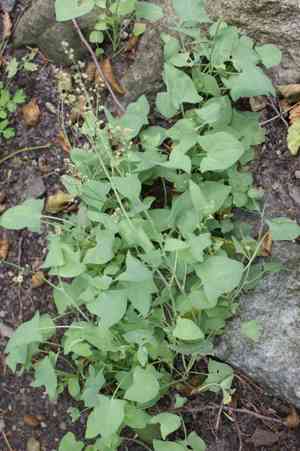
For buckler-leaved sorrel, the period when the ground becomes active in early to late spring, or during autumn's gentle influence from mid to late season, is ideal. Select a location bathed in sunlight with soil that drains effectively. Careful handling during relocation guarantees root protection and successful establishment.
Essential Preparations Before Relocating Buckler-leaved Sorrel?
Optimal Period for Moving Buckler-leaved Sorrel?
The ideal period for transplanting buckler-leaved sorrel spans from the onset of early spring to the conclusion of late spring, or from the crispness of mid-fall through to the end of late fall. Moving buckler-leaved sorrel during these specific times leverages the mild temperatures and balanced natural moisture, facilitating a smooth establishment in its new spot. By selecting these prime windows, you protect buckler-leaved sorrel from summer's heat and winter's cold, setting the stage for robust growth.
Required Spacing Between Buckler-leaved Sorrel Plants?
Prior to transplanting buckler-leaved sorrel, ensure each plant is positioned roughly 12-18 inches (30-46 cm) apart. This provides buckler-leaved sorrel ample room to develop and thrive.
Best Soil Blend for Buckler-leaved Sorrel Relocation?
For optimal buckler-leaved sorrel health, prepare soil that drains well and is rich in organic material. Incorporate a balanced, slow-release fertilizer to give buckler-leaved sorrel a strong initial boost.
Preferred Location for Your Buckler-leaved Sorrel?
Select a sunny area in your garden for buckler-leaved sorrel, as they flourish with abundant sunlight. A site receiving at least 6 hours of direct sun is perfect for these perennial plants.
Equipment Needed Before Transplanting Buckler-leaved Sorrel?
Gardening Gloves
To safeguard your hands while handling soil and the plant.
Spade or Shovel
For excavating the buckler-leaved sorrel and preparing its new planting site.
Watering Can or Hose
To hydrate the buckler-leaved sorrel before and after its move.
Secateurs or Pruning Shears
To trim any damaged roots or foliage.
Wheelbarrow or Plant Trolley
To transport the buckler-leaved sorrel if relocation distance is significant.
Garden Fork
To loosen the soil at the intended planting spot.
Mulch
To help maintain soil moisture around the new location.
How to Extract Buckler-leaved Sorrel from the Ground?
How to Extract Buckler-leaved Sorrel from the Ground?
From Ground: Start by watering buckler-leaved sorrel to dampen the soil. Use a spade or shovel to dig around the plant, creating a wide circle to avoid cutting into the root ball. Carefully pry beneath the root ball to lift buckler-leaved sorrel from its original spot.From Pot: Water buckler-leaved sorrel to facilitate removal. Invert the pot and tap the base while supporting the plant. If it resists, gently loosen the soil around the rim with a trowel and attempt to slide the plant out.From Seedling Tray: Water the soil first. Use a spoon or a dibber to carefully lift each buckler-leaved sorrel from its cell, taking care not to harm the roots.
Detailed Steps for Transplanting Buckler-leaved Sorrel
Preparation
Thoroughly water buckler-leaved sorrel the day before transplanting to ensure its roots are well-hydrated.
Digging Up
Use the spade or shovel to carefully dig around and under buckler-leaved sorrel, preserving as much of the root ball as possible.
Transplant Hole
Prepare the new hole to be twice the width of the root ball and of equal depth, ensuring buckler-leaved sorrel sits at its previous growing level.
Transplanting
Position buckler-leaved sorrel in the center of the new hole and adjust its orientation for optimal display.
Root Placement
Spread the roots outwards if they are pot-bound or tangled, trimming any that are broken or excessively long.
Refilling Hole
Gently fill the hole with soil, pressing down around the roots to eliminate air pockets without compacting the soil too much.
Watering In
Water buckler-leaved sorrel generously immediately after transplanting to settle the soil and hydrate the plant.
Mulching
Apply a layer of mulch around the base of buckler-leaved sorrel, avoiding direct contact with the stem, to conserve moisture.
Post-Transplant Care for Buckler-leaved Sorrel?
Monitoring
Regularly inspect buckler-leaved sorrel, especially during the initial weeks, to confirm it's adapting well to its new environment.
Watering
Maintain consistent soil moisture around buckler-leaved sorrel, but prevent overwatering, which can lead to root rot.
Mulching
Replenish the mulch layer as needed to retain soil moisture and inhibit weed growth.
Support
Provide a stake or plant support if buckler-leaved sorrel is tall or susceptible to wind damage, to help it remain upright.
Pruning
Remove any dead or damaged foliage to redirect buckler-leaved sorrel's energy towards root development and new growth.
Resolving Common Issues with Buckler-leaved Sorrel Transplantation.
When is the best time to move buckler-leaved sorrel?
The ideal transplanting periods are early to late spring or mid to late fall, allowing buckler-leaved sorrel to adjust.
How deep should I plant buckler-leaved sorrel?
Excavate a hole as deep as the root ball and twice its width to provide ample root space.
Why are my buckler-leaved sorrel seedlings wilting after transplant?
Wilting may indicate transplant shock. Keep the soil moist and offer shade for a few days post-transplant.
What spacing is needed between each buckler-leaved sorrel plant?
Position plants approximately 12-18 inches (30-45 cm) apart. This ensures sufficient room for growth and air circulation.
Should I water buckler-leaved sorrel immediately after transplanting?
Yes, water gently to settle the soil around the roots and eliminate air pockets, which can harm the plant.
Is mulching around buckler-leaved sorrel necessary after transplanting?
Mulching aids in moisture retention, soil temperature regulation, and weed reduction. Apply organic mulch sparingly around the base.
What signs of distress should I look for in buckler-leaved sorrel after transplanting?
Yellowing leaves, stunted growth, wilting, or leaf drop can signal distress, possibly from shock or improper care.
How do I harden off buckler-leaved sorrel before transplanting?
Gradually expose buckler-leaved sorrel to outdoor conditions over a week, increasing daily duration to minimize transplant shock.
Why are my buckler-leaved sorrel leaves browning at the edges post-transplant?
Brown edges might suggest water stress, either too much or too little, or potentially soil or fertilizer burn.
Can I fertilize buckler-leaved sorrel immediately after transplanting?
Wait 4-6 weeks before fertilizing to prevent root burn. Allow buckler-leaved sorrel to establish itself in its new location first.



