How to Transplant Rue?
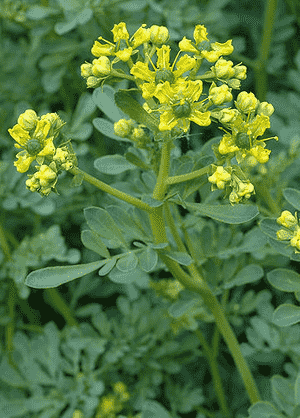
Relocate rue during the pleasant weather of late spring through mid-summer to ensure thriving development. Select a bright spot with soil that drains effectively for the best outcome. Bear in mind, a light touch is crucial when managing its fragile root system during the transfer.
What Preparations are Needed Before Transplanting Rue?
What is the Ideal Time for Transplanting Rue?
Moving rue from late spring through mid-summer provides the perfect mix of warmth and moisture. This timing allows rue to establish robustly and grow vigorously. Simply put, transplanting rue during this period leverages natural cycles, giving the plant ample time to strengthen before the harsh winter.
How Much Space Should You Leave Between Rue Plants?
For rue, the optimal transplant spacing is 12-15 inches (30-38 cm) apart. This ensures comfortable growth for your plants and sufficient room for root expansion. Happy planting!
What is the Best Soil Mix for Rue Transplanting?
To prepare the soil for rue, select well-draining soil and incorporate an organic, slow-release fertilizer. This will foster a healthy environment for your plant, promoting strong root development and sustained growth.
Where Should You Relocate Your Rue?
To ensure rue thrives, transplant it to a location with full sun to partial shade. Aim for a spot where it will receive 6-8 hours of sunlight daily for optimal results. Keep up the great work!
What Equipments Should You Prepare Before Transplantation Rue?
Gardening Gloves
To safeguard your hands while handling soil and rue.
Shovel or Spade
For digging the planting hole and extracting the plant from its original spot.
Trowel
Used for precise digging and planting, especially for smaller or potted plants.
Pruning Shears
To trim any dead or damaged roots or foliage.
Watering Can or Hose
For hydrating and moistening the soil before and after transplanting.
Mulch
To aid in moisture retention, weed suppression, and maintaining consistent soil temperature.
How Do You Remove Rue from the Soil?
How Do You Remove Rue from the Soil?
From Ground: First, water the rue plant to moisten the soil. Next, dig a wide trench around the plant using a shovel or spade, ensuring the plant's root ball stays intact. Carefully work the spade beneath the root ball to lift the plant from its initial location.From Pot: Gently lay the rue pot on its side and tap the edges to loosen the plant. If necessary, use a trowel to assist in removing the plant while supporting the root ball. Be gentle and careful to minimize damage during the process.From Seedling Tray: Water the seedling tray to dampen the soil. Use a trowel or similar tool to carefully lift each rue seedling, keeping as much of the root system and attached soil intact as possible.
Step-by-Step Guide for Transplanting Rue
Carefully Handle Roots
Keep the roots of the rue plant moist and well-supported throughout the transplant process. Limit direct contact and excessive handling of the root system to prevent shock or damage.
Hole Preparation
Dig a hole in your chosen spot that is twice as wide and slightly deeper than the rootball. Enhance the planting hole with compost, aged manure, or organic matter to improve the soil's water retention and fertility.
Placement
Gently lower the rue plant into the hole, ensuring the root ball is level with the surrounding ground. Spread out the roots without breaking them during the process.
Backfill
Refill the planting hole with the excavated soil, and lightly compact it to remove air pockets and secure the plant.
Watering
Water the rue plant thoroughly after transplanting to settle the soil and encourage root establishment.
Mulching
Apply a layer of organic mulch around the base of the plant. This will help retain moisture, suppress weeds, and maintain a stable soil temperature.
How Do You Care For Rue After Transplanting?
Watering
Keep the soil around the rue consistently moist but not waterlogged for the initial weeks post-transplant to help establish strong roots. Monitor the plant's hydration needs and adjust as it matures.
Foliage Care
Prune any dead or damaged foliage after transplanting to encourage healthy new growth. Regularly check for and address pests or diseases as needed.
Feeding
Utilize a slow-release fertilizer or mix compost into the soil to provide a steady supply of nutrients for the rue plant's growth and development.
Support
Some rue plants may require staking or other support structures, especially during strong winds or storms. Monitor the plant's progress and add support as necessary.
Patience
Be patient when transplanting rue as the plant might experience a period of slow growth or minor shock due to the process. With proper care and attention, it should recover and continue to grow in its new location.
Troubleshooting Common Issues with Rue Transplantation.
What's the best time of year to transplant rue?
Late spring to mid-summer is the ideal period to transplant rue, when weather conditions are milder.
How much space should we leave between rue plants while transplanting?
Leave a distance of approximately 12-15 inches (30-38 cm) between each rue plant. It ensures good growth.
What should I do if rue leaves start to yellow after transplanting?
Yellowing leaves may indicate over-watering or poor drainage. Test the soil to ensure it's well-draining and adjust your irrigation routine if necessary.
What is the ideal depth for rue when transplanting?
Rue should generally sit at the same soil level it was previously growing at. Avoid planting too deep.
What type of soil should I use while transplanting rue?
Rue prefers well-draining, sandy or gravelly soil with a pH range of 6.0-8.0. Amend the soil as necessary before transplanting.
Why is rue wilting after transplanting?
Wilting indicates transplant shock or under-watering. Make sure to deeply water the plant just after transplanting and avoid exposure to extreme conditions.
Should I prune rue prior to transplanting?
Minimal pruning can help reduce the strain on rue's roots during transplant, ensuring that the foliage doesn't disproportionately outweigh the root system.
What sun exposure does rue require after transplant?
Rue is a sun-loving plant. Choose a location with full sun for the successful transplanting of rue.
How should I water rue after transplanting?
Water rue deeply immediately after transplanting. Follow up with moderate watering until the plant establishes itself.
What to do if rue doesn't flower after transplanting?
If rue doesn't flower post-transplant, it might need more sun or a change in soil nutrients. Consider soil testing and appropriate soil amendments.



