How to Transplant Goat willow?
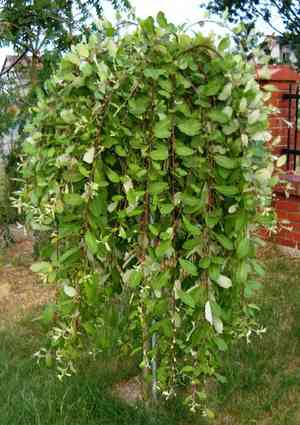
Relocating goat willow flourishes in early spring, as this period of revitalized development guarantees superior root integration. Choose a sunny location featuring soil that drains effectively. Should you be shifting an established bush, preserve its root ball undisturbed for a seamless transfer.
What Preparations are Needed Before Transplanting Goat Willow?
What is the Ideal Time for Transplanting Goat Willow?
The optimal period for relocating goat willow is the spring season. During this time of rejuvenation, the mild climate and increased moisture encourage vigorous root development. This favorable timing ensures that goat willow establishes itself in its new spot with the best prospects for thriving, utilizing the season's gentle conditions which are beneficial for plant growth and resilience. Friendly advice: leverage spring's nurturing embrace to give your goat willow a head start!
How Much Space Should You Leave Between Goat Willow Plants?
When planning your garden, aim to leave ample room, approximately 5-10 feet (1.5-3 meters), between each goat willow plant. This will guarantee they have sufficient space to flourish optimally. It also benefits their health, as overcrowding can facilitate the spread of diseases.
What is the Best Soil Mix for Goat Willow Transplanting?
For the goat willow plant to grow successfully, it's best to use a loamy soil type. This soil type retains moisture while also draining effectively. Before transplanting, enrich the soil with a foundational fertilizer rich in essential nutrients. This will provide an excellent beginning for your new plants!
Where Should You Relocate Your Goat Willow?
The ideal location for your goat willow plant is one that receives abundant sunlight. However, it can also endure a variety of conditions - from full sun to partial shade. So, whether it's a bright or a slightly shaded spot, goat willow will perform adequately.
What Equipments Should You Prepare Before Transplantation Goat Willow?
Gardening Gloves
To safeguard your hands while handling soil and the plant.
Garden Shovel
To excavate holes in the ground for accommodating the goat willow plant.
Pruning Shears
To trim any damaged or lifeless branches from the goat willow plant either before or after relocation.
Watering Can
To hydrate the plant once it has been moved.
Wheelbarrow
To move the goat willow plant from its initial position to the new one.
Mulch
Used to assist newly transplanted goat willow in maintaining consistent soil moisture levels.
How Do You Remove Goat Willow from the Soil?
How Do You Remove Goat Willow from the Soil?
From Ground: Start by carefully digging around the plant using a garden shovel. It's crucial to maintain a safe distance from the plant to prevent harming the root ball. Once you've dug a sufficiently wide trench, gently work the shovel beneath and lift the root ball from the ground.From Pot: If the goat willow plant is in a container, begin by watering to moisten the soil. Turn the pot on its side, apply gentle pressure, and ease the plant out. If it's stuck, you might need to tap the pot's rim until the plant is free.From Seedling Tray: For young plants, ensure the soil is moist first. Then, carefully extract the goat willow seedling by holding onto the leaves rather than the stem or roots to avoid any damage.
Step-by-Step Guide for Transplanting Goat Willow
Check The Size
Assess the root ball's dimensions and excavate a hole in the new site that is twice as wide and equally deep as the root ball.
Positioning
Place the goat willow plant into the hole, ensuring it sits at the same depth as it did in its original spot. It's vital to confirm that the plant's crown (where roots meet stem) is level with or slightly above the surrounding soil.
Backfill
Gradually refill the hole with the original soil, gently firming it around the root ball to eliminate any air pockets.
Water
Water thoroughly after planting, making sure all roots are in contact with moist soil.
Mulching
Apply a layer of mulch (approximately 2-3 inches thick) around the plant, leaving a small space near the stem to prevent rot.
How Do You Care For Goat Willow After Transplanting?
Regular Watering
Maintain consistent soil moisture, especially during the initial weeks post-transplant, to help the goat willow plant establish new roots, but avoid waterlogging.
Pruning
Trim any damaged or dead branches after transplanting to encourage fresh growth.
Monitor Growth
Closely observe the goat willow plant's growth and development. Yellowing leaves might indicate that adjustments are needed in its care.
Protect From Weather
Initially shield the newly transplanted goat willow plant from harsh weather conditions like strong winds or intense sun while it adapts to its new location.
Troubleshooting Common Issues with Goat Willow Transplantation.
When is the best time to transplant goat willow?
The optimal period to transplant goat willow is during S1-S3. This timing allows the plant to establish its root system before its active growth season.
How far apart should I space goat willow when transplanting?
Ideally, position each goat willow with a separation of 5-10 feet (1.5-3 meters). This spacing provides each plant ample room for root and branch expansion.
What kind of soil is best for transplanting goat willow?
Goat willow thrives in soil that drains well. It prefers a pH range from acidic to neutral. If your soil is naturally heavy or sandy, enrich it with organic matter.
How deep should I plant goat willow when transplanting?
Plant goat willow to the same depth it was in its previous spot. Planting too deep could suffocate the plant, while planting too shallow can lead to drying out.
Do I need to water goat willow immediately after transplanting?
Yes, watering goat willow after transplanting is essential. It helps settle the soil around the roots, reducing transplant shock and promoting quicker recovery.
How much sunlight does goat willow need after transplanting?
Goat willow requires full to partial sunlight. Aim for at least six hours of direct sun daily. Ensure its new site can meet this requirement before transplanting.
Should I take any extra precautions while transplanting goat willow in summer?
Relocating goat willow during the peak of summer could stress it. If you must transplant at this time, do so in the early morning or late evening to avoid the hottest part of the day.
Do I need to prune goat willow before transplanting?
Light pruning can help goat willow cope with transplantation by reducing water loss. Remove any damaged or diseased branches, but avoid extensive pruning.
What should I do if goat willow shows signs of stress after transplanting?
If goat willow exhibits signs of stress, check its watering levels and sun exposure. If both are adequate, consider if the plant might be root-bound or in unsuitable soil.
How long does it take for goat willow to establish after transplanting?
Typically, goat willow will take several weeks to establish itself following transplantation. Keep it moderately watered and refrain from heavy fertilizing during this period.



