How to Transplant Coastal plain willow?
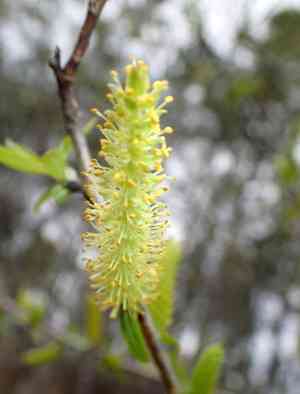
The ideal period for transplanting coastal plain willow is in the spring, as nature revives. Select a bright spot with damp ground. To ensure the best development, acknowledge coastal plain willow's need for room and provide consistent watering following its relocation.
Essential Preparations Before Relocating Coastal Plain Willow
Optimal Timing for Transplanting Coastal Plain Willow
The prime period for moving coastal plain willow is during spring's awakening, as moderate temperatures and damp soil encourage root development. This ideal timing ensures a robust beginning, enhancing coastal plain willow's survival and vitality. Shifting coastal plain willow under these conditions promises a smooth transition, allowing it to flourish amidst the natural surge of spring growth. Seize this opportunity for your coastal plain willow to absorb the season's nourishing essence.
Recommended Spacing Between Coastal Plain Willow Plants
For coastal plain willow, aim to maintain a distance of approximately 3-5 feet (0.9-1.5 meters) between each specimen. This provides ample room for them to expand and thrive without excessive competition for resources.
Ideal Soil Blend for Coastal Plain Willow Transplantation
Prepare your soil by incorporating a foundational fertilizer, ideally organic compost or well-rotted manure. Coastal plain willow tends to perform well in a broad spectrum of soil types, but a slightly acidic to neutral pH is most favorable.
Selecting a New Site for Your Coastal Plain Willow
Choose a location that receives abundant sunlight, as coastal plain willow thrives in bright conditions! However, it should also offer some dappled shade during the hottest part of the day to shield it from intense heat.
Tools Required for Coastal Plain Willow Transplantation
Gardening Gloves
To safeguard your hands while handling the plant and working with the soil.
Shovel/Spade
Crucial for excavating the planting hole and for extracting the plant from its original spot.
Pruning Scissors
These are utilized for trimming any dead or superfluous branches before the transplanting process.
Watering Can
To hydrate the plant both before and after relocation, helping to alleviate transplant shock.
Mulch
To apply a layer around the newly transplanted plant to aid in retaining soil moisture.
Stakes
Optional, to offer support to the plant in its new setting, particularly if it's a young coastal plain willow specimen.
Method for Extracting Coastal Plain Willow from the Ground
Method for Extracting Coastal Plain Willow from the Ground
From Ground: Start by watering the coastal plain willow plant to facilitate removal and minimize root damage. Once the soil is thoroughly moist, dig a trench around the plant with a shovel or spade, deep enough to get beneath the main root system. Gently lift the plant from the ground, ensuring the root system remains intact.From Pot: Water the coastal plain willow plant, then tilt the pot sideways, tapping the bottom gently to slide the plant out with its root ball. Avoid pulling the plant by its stem to prevent unnecessary harm.From Seedling Tray: If the coastal plain willow is in a seedling tray, place fingers on either side of the seedling, with the stem between your fingers, and gently push up from the bottom to extract it.
Step-by-Step Guide for Transplanting Coastal Plain Willow
Preparation
Begin by watering the coastal plain willow plant in its current location.
Digging
Excavate a hole at the new site, ensuring it's twice the width and the same depth as the root ball.
Placing the Plant
Carefully position the coastal plain willow plant in the hole, making sure it sits at the same ground level as it did originally.
Backfilling
Refill the hole with soil, gently pressing down to eliminate any air pockets.
Watering
Water the plant immediately after transplanting to aid in its establishment.
Mulching
Spread an even layer of mulch around the base of the coastal plain willow, leaving sufficient space from the stem to prevent rotting.
Staking
If needed, provide support using stakes until the coastal plain willow becomes well-established.
Post-Transplant Care for Coastal Plain Willow
Watering
Ensure consistent moisture for the coastal plain willow, especially during the initial weeks until new root growth is observed, but avoid waterlogging the soil.
Pruning
Trim any damaged or overly sprawling branches to help the coastal plain willow direct its energy towards developing new roots.
Pest Control
Early detection of any pests or diseases will ensure your coastal plain willow does not suffer any setbacks in its new environment.
Staking
If initially staked, the stakes can be removed once the coastal plain willow plant appears stable and its trunk has strengthened.
Resolving Common Issues with Coastal Plain Willow Transplantation.
When is the best time to transplant coastal plain willow?
The ideal period to transplant coastal plain willow spans from early spring to early summer (S1-S3).
What is the recommended spacing during transplantation of coastal plain willow?
For optimal growth, maintain a distance of 3-5 feet (0.9-1.5 meters) between each plant.
Why are my transplanted coastal plain willow leaves turning yellow?
Yellowing leaves may indicate overwatering or inadequate drainage. Inspect the soil and reduce watering if it's excessively soggy.
How to prepare the soil for coastal plain willow transplantation?
Ensure your soil drains well. The best soil for coastal plain willow is a blend of clay, silt, and sand. You can also add compost for an extra nutrient boost.
How deep should I plant the coastal plain willow during transplantation?
Dig a hole that is twice the width of the root ball and the same depth. This positions the top of the root ball level with the soil's surface.
Why is my transplanted coastal plain willow wilting and dropping leaves?
Wilting or leaf drop might be due to transplant shock. Keep the plant well-hydrated and shield it from extreme temperatures and wind.
How to water coastal plain willow after transplanting?
Coastal plain willow prefers moist soil. Water thoroughly after transplanting, then continue to water regularly, especially during dry spells.
Can I use fertilizer while transplanting coastal plain willow?
Yes, an all-purpose slow-release fertilizer can be applied when transplanting coastal plain willow. It helps stimulate initial growth.
What if my coastal plain willow doesn't show growth after transplanting?
Patience is crucial after transplantation. If no growth is observed after several weeks, verify the planting depth, sunlight exposure, soil type, and watering regimen.
How to choose the perfect location for transplanting coastal plain willow?
Coastal plain willow thrives in full sunlight to partial shade. Select a spot with good drainage and sufficient space to accommodate the plant's mature size.



