How to Transplant Woodland sage?
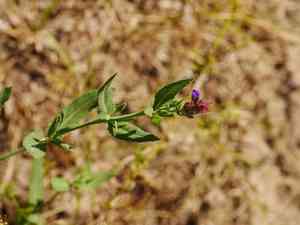
For optimal results, woodland sage should be relocated in the period spanning late spring to early summer, a time when the ground is adequately warmed and the vegetation is vigorously developing. Select a site that benefits from either full sunlight or partial shading. During the transplanting process, carefully loosen the root ball and provide ample watering to foster robust settling.
What Preparations are Needed Before Transplanting Woodland Sage?
What is the Ideal Time for Transplanting Woodland Sage?
Relocating woodland sage between mid-spring and early summer is optimal, as it allows these robust plants to develop strong root systems prior to winter. Choosing this period ensures vigorous growth!
How Much Space Should You Leave Between Woodland Sage Plants?
For woodland sage, a recommended spacing is approximately 18-24 inches (45-61 cm) apart. This distance provides ample room for their development and flourishing.
What is the Best Soil Mix for Woodland Sage Transplanting?
Prepare the soil for woodland sage using well-draining, loamy earth, enriched with organic matter. Incorporating a balanced, slow-release fertilizer or compost will give them an excellent start.
Where Should You Relocate Your Woodland Sage?
Choose a site for your woodland sage where they can receive full sun to partial shade. Ideally, the plants should get at least 4-6 hours of daily sunlight for best growth.
What Equipments Should You Prepare Before Transplantation Woodland Sage?
Gardening Gloves
To safeguard your hands while handling soil and plants.
Shovel or Spade
For excavating the woodland sage plant from the ground or removing it from its container.
Garden Trowel
To assist in digging the planting hole for the woodland sage.
Garden Fork
To aerate the soil in the transplanting area and aid drainage.
Watering Can or Hose
To hydrate the plant before and after relocation.
Compost or Organic Fertilizer
To blend with the soil before planting, promoting better plant development.
Mulch
To cover the soil around the plant post-transplant, maintaining moisture and inhibiting weeds.
How Do You Remove Woodland Sage from the Soil?
How Do You Remove Woodland Sage from the Soil?
- From Ground:First, moisten the woodland sage plant's soil. Then, dig a wide trench around the plant with a shovel or spade, ensuring the root ball remains intact. Carefully work the spade beneath the root ball to lift the plant from its original spot.- From Pot:Gently tilt the woodland sage plant's pot sideways and slowly slide the plant, soil, and root ball out. Be careful not to harm the roots.- From Seedling Tray:Carefully extract the woodland sage seedling from its tray by pressing the soil below it and lifting it with roots and soil still attached. Hold the seedling by its leaves, not the stem, to prevent damage.
Step-by-Step Guide for Transplanting Woodland Sage
Site Preparation
Ready the transplant area by loosening the soil with a garden fork to the depth of the plant's root ball, adding organic matter like compost or organic fertilizer if needed.
Digging the Hole
Excavate a hole with the garden trowel approximately twice the width of the woodland sage's root ball and equally deep.
Placing the Plant
Carefully position the woodland sage plant in the hole, ensuring the top of the root ball is level with the surrounding ground.
Filling the Hole
Gently backfill the hole with the removed soil, making sure the plant stays upright, and press firmly around the plant's base to eliminate air pockets.
Watering
Thoroughly water the woodland sage plant to help it settle into its new location and remove any remaining air pockets.
Mulching
Apply a layer of mulch around the plant's base to help retain moisture and suppress weed growth.
How Do You Care For Woodland Sage After Transplanting?
Watering
Water the woodland sage plant regularly, keeping the soil consistently moist but not waterlogged, especially during the initial weeks post-transplant.
Pruning
Trim the woodland sage plant to remove any dead or damaged foliage and help it maintain a neat form.
Fertilizing
Apply an all-purpose garden fertilizer to the area around the plant at the recommended rate on the packaging. Follow instructions for optimal nourishment of the woodland sage.
Monitoring
Watch for pests or signs of disease on the woodland sage plant, applying appropriate treatments if necessary.
Support
If the woodland sage plant grows tall or becomes top-heavy, provide support to prevent it from toppling or breaking, using stakes or a plant cage if required.
Troubleshooting Common Issues with Woodland Sage Transplantation.
What's the best time to transplant woodland sage?
The ideal period for transplanting woodland sage is mid-spring to early summer, when conditions are mild and consistent.
What should be the spacing between woodland sage plants?
Ensure woodland sage plants are spaced 18-24 inches (45-60 cm) apart for optimal growth and air circulation.
How deep should the planting hole be for transplanting woodland sage?
Dig a hole twice as wide and just as deep as the root ball, allowing the plant to settle comfortably.
How should I prepare the soil for woodland sage transplanting?
Before transplanting, loosen the soil and incorporate some organic compost to supply woodland sage with essential nutrients.
What kind of sunlight does woodland sage require after transplanting?
Woodland sage thrives in full sun to partial shade. Ensure your chosen spot receives at least 4-6 hours of daily sunlight.
How to properly water woodland sage after transplanting?
Water woodland sage deeply and consistently after transplanting to establish roots, then water moderately based on weather conditions.
How long does it take for woodland sage to establish after transplanting?
Be patient; woodland sage needs a few weeks to settle into its new location and develop a healthy root system.
Why are my transplanted woodland sage leaves turning yellow?
Yellow leaves post-transplant may indicate over-watering or poor drainage. Adjust your irrigation schedule accordingly.
How do I protect the woodland sage during the transplanting process?
Carefully remove the root ball and avoid damaging roots. Water well before and after transplanting to minimize stress.
When can I expect to see blooms on my transplanted woodland sage?
Expect woodland sage to flower in the first growing season after transplant, with the most vibrant blooms during late spring and summer.



