How to Transplant Peruvian peppertree?
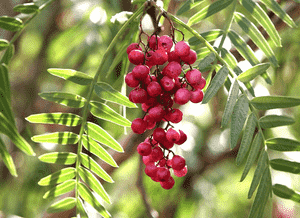
Relocate peruvian peppertree at the onset of autumn to facilitate robust root development prior to its winter rest. Select a bright spot with soil that drains effectively. Secure juvenile trees with stakes after their relocation to ensure steadiness.
What Preparations are Needed Before Transplanting Peruvian Peppertree?
What is the Ideal Time for Transplanting Peruvian Peppertree?
The best time for relocating peruvian peppertree is early to mid-autumn, providing a gentle climate for root development without extreme temperatures. Moving peruvian peppertree during this period allows the plant ample time to establish a strong root system before the vigor of spring growth. This timing ensures successful adaptation by utilizing cooler, typically moist soil conditions, fostering an environment conducive to new growth. By transplanting in the mild embrace of fall, peruvian peppertree benefits from a supportive transition, promoting resilience and vitality in its new spot.
How Much Space Should You Leave Between Peruvian Peppertree Plants?
When arranging your garden for peruvian peppertree, ensure a spacing of approximately 6-7 feet (1.8-2.1 meters) between each plant. This guarantees sufficient room for them to grow and thrive without becoming overcrowded.
What is the Best Soil Mix for Peruvian Peppertree Transplanting?
Prepare the soil for peruvian peppertree by selecting a well-draining soil type, ideally sandy or loamy. Before planting, enrich the soil with a slow-release granular fertilizer to provide the plant with a nutritious start.
Where Should You Relocate Your Peruvian Peppertree?
For optimal development, locate a sunny position for peruvian peppertree. These plants thrive in sunlight, so a spot with full sun exposure for most of the day would be perfect. Remember, more sun encourages more growth!
What Equipments Should You Prepare Before Transplantation Peruvian Peppertree?
Gardening Gloves
To safeguard your hands while handling soil and peruvian peppertree.
Shovel or Spade
To excavate a hole for the new transplant site, and to carefully extract the plant from its original spot, keeping the root ball intact.
Trowel
For enhanced precision during smaller digging tasks.
Watering Can
To keep the plant adequately hydrated at both its former and new locations.
Mulch
To retain soil moisture, inhibit weed growth, and regulate soil temperature.
Gardening Shears
To trim off dead or damaged branches from peruvian peppertree.
How Do You Remove Peruvian Peppertree from the Soil?
How Do You Remove Peruvian Peppertree from the Soil?
From Ground: First, hydrate the peruvian peppertree plant to moisten the soil. Next, dig a wide trench around the plant using a shovel or spade, ensuring the plant's root ball remains undisturbed. Gradually work the spade beneath the root ball to lift the plant from its initial position.From a Pot or Container: Begin by thoroughly watering the peruvian peppertree. Then, tilt the pot sideways and gently tap the rim on a firm surface to loosen the soil and roots. Afterward, carefully extract the plant from the pot while keeping the root ball intact.From a Seedling Tray: Water the peruvian peppertree seedlings first. Use a small trowel or your fingers to dig out the seedling, taking as much soil as possible with it to protect the roots.
Step-by-Step Guide for Transplanting Peruvian Peppertree
Preparation
Position peruvian peppertree at the new site and prepare the planting hole as deep and twice as wide as the plant's root ball.
Place the Plant
Next, set peruvian peppertree in the hole, ensuring the top of the root ball is level with the surrounding soil. Avoid planting it too deeply.
Backfill
Gently refill the hole, firming the soil around the root ball. Be careful not to harm the roots.
Water
Water peruvian peppertree immediately after transplanting, saturating the soil around it for proper establishment.
Mulching
Apply a layer of mulch around the base of peruvian peppertree to maintain soil moisture and temperature.
How Do You Care For Peruvian Peppertree After Transplanting?
Pruning
Remove any dead or damaged branches from peruvian peppertree after transplanting to direct the plant's energy towards root development.
Watering
Ensure regular watering; peruvian peppertree needs ample moisture, especially in the initial weeks post-transplant, but confirm the ground drains well.
Avoid Over-watering
Excessive watering can lead to root rot. To determine if peruvian peppertree requires water, check the soil a few inches below the surface with your finger. If it's dry, it's time to water.
Be Observant
Monitor peruvian peppertree after transplanting. Signs of transplant shock include wilting, yellowing leaves, and leaf drop. If these appear, it might indicate a need for more or less water, or an issue with the transplanting process.
Troubleshooting Common Issues with Peruvian Peppertree Transplantation.
What's the best time for transplanting the peruvian peppertree?
The optimal period to transplant peruvian peppertree is late summer to early fall (Season 7 to Season 8). This helps the plant settle before the cold weather arrives.
How far apart should peruvian peppertree be spaced during transplantation?
To ensure healthy growth of peruvian peppertree, it's advisable to maintain a spacing of approximately 6-7 feet (1.8-2.1 meters) between plants. This guarantees adequate sunlight for each specimen.
What are the considerations for the transplanting hole?
Ensure the hole is twice as wide and equal in depth to the root ball of the peruvian peppertree. This allows the roots to spread and establish comfortably.
How should I handle the peruvian peppertree's root ball during transplantation?
Handle the root ball gently to prevent damage. If the roots are circling, you can slightly separate them to encourage subsequent growth.
Can you explain the role of water in the process of transplantation?
Water is essential both before and after transplanting. Pre-water the peruvian peppertree and the planting hole. Post-transplanting, water generously but avoid waterlogging the plant.
Do I need to prune the peruvian peppertree during transplantation?
Pruning is not required during transplantation. However, removing dead or diseased branches helps the peruvian peppertree focus its energy on establishing root systems.
Can the quality of soil affect the transplantation process?
Absolutely! Peruvian peppertree thrives in well-draining soil. Enrich the soil with compost or organic matter to boost nutrient content and facilitate successful transplantation.
What impact does weather have on planting peruvian peppertree?
Smooth transplantation of peruvian peppertree largely depends on weather. Mild, overcast, non-windy days are ideal, as these conditions reduce evaporation and plant stress.
How should I care for peruvian peppertree post-transplantation?
Keep the soil consistently moist but not saturated. Avoid fertilizing immediately; instead, wait a few weeks. Regularly check for any signs of stress or disease.
Is staking necessary for peruvian peppertree after transplanting?
While not mandatory, staking helps peruvian peppertree maintain stability, especially in windy areas or when the plant is tall. Remove the stake once the plant is established.



