How to Transplant False christmas cactus?
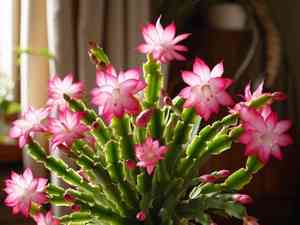
The optimal period for relocating false christmas cactus is from mid-spring to late spring or mid-autumn to late autumn, since the plant thrives in cooler weather and more consistent ground environments. Ensure you select a spot featuring soil that drains effectively, sufficient light exposure, and shelter from strong gusts.
What Preparations are Needed Before Transplanting False Christmas Cactus?
What is the Ideal Time for Transplanting False Christmas Cactus?
The optimal period to relocate false christmas cactus is from mid-spring to late-spring or mid-fall to late-fall, allowing the plant sufficient time to establish its root system. Moving it during these times promotes growth and improved bloom performance, creating a lovely display in your garden.
How Much Space Should You Leave Between False Christmas Cactus Plants?
When moving false christmas cactus, ensure adequate room for growth by spacing them 1-2 feet (30-60 cm) apart. This spacing guarantees each plant receives enough light and air circulation to flourish.
What is the Best Soil Mix for False Christmas Cactus Transplanting?
For false christmas cactus, select a well-draining soil, ideally a blend of organic matter, peat moss, and perlite. Before planting, incorporate a balanced (10-10-10) slow-release fertilizer to supply vital nutrients for healthy development.
Where Should You Relocate Your False Christmas Cactus?
Locate a spot in your garden for false christmas cactus that receives bright but indirect sunlight. Avoid direct sun exposure, as it can scorch the foliage. An area with morning sun and afternoon shade would be perfect for your new plant.
What Equipments Should You Prepare Before Transplantation False Christmas Cactus?
Gardening Gloves
To safeguard your hands while handling soil and the plant.
Shovel or Trowel
For digging holes and lifting the false christmas cactus from its original spot.
Pruning Shears
To trim any damaged or unhealthy roots prior to transplanting.
Watering Can
To moisten the soil and keep the false christmas cactus hydrated before, during, and after relocation.
Organic Compost or Slow-Release Fertilizer
To enrich and nourish the soil within the planting hole.
How Do You Remove False Christmas Cactus from the Soil?
How Do You Remove False Christmas Cactus from the Soil?
- From Ground:First, water the false christmas cactus to moisten the soil. Then, excavate a wide trench around the plant using a shovel or spade, ensuring the plant's root ball remains intact. Carefully work the spade beneath the root ball to lift the plant from its initial location.- From Pot:Water the false christmas cactus to dampen the soil. Turn the pot on its side and gently tap the rim against a firm surface to loosen the soil and release the root ball. Carefully ease the plant out of the pot while supporting the root ball with one hand.- From Seedling Tray:If starting the false christmas cactus from seedlings, moisten the soil first. Using a small trowel or spatula, slide it under the seedling's root system and lift it from the tray, taking care not to harm the roots.
Step-by-Step Guide for Transplanting False Christmas Cactus
Preparation
Choose an overcast and cool day for transplanting to minimize stress on the false christmas cactus.
Soil Preparation
Amend the planting area with organic compost or slow-release fertilizer to create a nutrient-rich environment for the false christmas cactus to thrive in.
Dig a Hole
Using your shovel or trowel, excavate a planting hole twice as wide and deep as the root ball.
Lower the Plant
Carefully place the false christmas cactus into the hole, ensuring its crown remains level with the ground surface.
Fill in Soil
Gradually backfill the hole with soil, gently firming it with your hands to eliminate any air pockets.
Watering
Water the plant immediately after transplanting, ensuring the soil is thoroughly saturated to aid in establishing strong roots.
How Do You Care For False Christmas Cactus After Transplanting?
Watering
Monitor soil moisture and irrigate the false christmas cactus as needed, ensuring consistency and preventing the soil from drying out completely.
Fertilization
Apply a balanced slow-release fertilizer or organic compost to maintain nutrient levels one month after transplant.
Pruning
Remove any unhealthy or damaged branches to encourage vigorous growth.
Pest and Disease Control
Watch for pests or diseases affecting the false christmas cactus and treat them as necessary using organic or chemical solutions.
Mulching
Apply a layer of organic mulch around the base of the false christmas cactus to retain soil moisture and suppress weeds.
Troubleshooting Common Issues with False Christmas Cactus Transplantation.
What is the best time to transplant false christmas cactus?
Relocate false christmas cactus during mid to late spring, or mid to late fall for optimal growth and establishment.
What is the ideal spacing for transplanting false christmas cactus?
Ensure a spacing of 1-2 feet (30-60 cm) between each false christmas cactus to provide ample room for growth.
What should I consider while selecting a pot for false christmas cactus?
Choose a pot with drainage holes, slightly larger than the root ball to accommodate false christmas cactus's expanding roots.
What type of soil is suitable for transplanting false christmas cactus?
Well-draining soil with a slightly acidic pH (6-7) is ideal for relocating false christmas cactus.
How do I prepare the soil for transplanting false christmas cactus?
Combine equal parts of potting soil, perlite, and organic matter, to create a well-draining, nutrient-rich soil mix.
How much should I water false christmas cactus after transplanting?
Water false christmas cactus thoroughly until water drains from the bottom of the pot, ensuring all roots receive sufficient moisture.
How can I help false christmas cactus adapt to its new environment?
Place false christmas cactus in bright, indirect light, avoiding full sun, and maintain consistent temperatures around 65-75°F (18-24°C).
What are the potential issues during false christmas cactus's transplanting process?
Overwatering, insufficient drainage, incorrect soil mix, or extreme temperatures can lead to transplant stress or failure.
How can I tell if false christmas cactus is suffering from transplant shock?
Transplant shock symptoms include wilted or yellow leaves, dropping foliage, slowed growth, or a change in leaf texture.
How can I prevent damage to false christmas cactus's roots during transplanting?
Handle false christmas cactus gently, being careful not to break or damage the roots, and ensure they're properly covered with soil.



