How to Transplant Satin pothos?
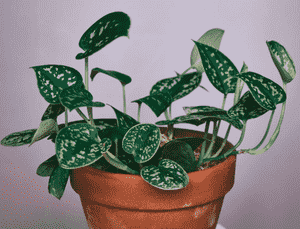
To successfully relocate satin pothos, the ideal period is from mid to late spring, allowing the plant to acclimate more effectively during its warm, vigorous growth phase. Select a site with good drainage and ample shade to replicate its native environment. Exercise caution during the transfer process to prevent damage to the root system. Enjoy your transplanting!
Essential Preparations Before Relocating Satin Pothos
Optimal Period for Transplanting Satin Pothos?
The ideal period for moving your beloved satin pothos spans from mid to late spring. Replanting during this flourishing time allows your satin pothos to establish itself before the intense summer heat. It provides ample time for the roots to absorb nutrients and anchor firmly. So, let's give satin pothos a new home this spring for a vibrant display of foliage under the summer sun. Who wouldn't desire that for their precious satin pothos? Believe us, it's worth the effort!
Required Spacing Between Satin Pothos Plants?
When transplanting satin pothos, ensure each plant has sufficient room to grow and showcase its beautiful leaves by maintaining a 2-3 feet (60-90 cm) gap between them. This guarantees they have ample space to flourish and spread their foliage.
Best Soil Blend for Satin Pothos Transplantation?
For satin pothos, it's best to use a well-draining soil mixture rich in organic matter. Incorporating a slow-release, balanced granular fertilizer at the base will help supply the necessary nutrients for growth throughout the season.
Where to Replant Your Satin Pothos?
Select a spot where your satin pothos will receive bright, indirect sunlight, such as near an east or north-facing window. This ensures they get the perfect amount of light without exposure to harsh, direct sun, which could harm the leaves.
Necessary Equipment for Satin Pothos Transplantation?
Gardening Gloves
These will safeguard your hands while handling soil and plants.
Shovel or Spade
Required for excavating the transplant hole and lifting the plant from its original spot.
Pruning Shears
May be necessary to trim any dead or damaged roots prior to transplanting.
Watering Can
For moistening the plant and soil before and after the relocation.
Transport Container
Depending on the size of satin pothos, a bucket, wheelbarrow, or tarp might be useful for moving it from its initial location to the new one.
How to Extract Satin Pothos from the Soil?
How to Extract Satin Pothos from the Soil?
From Ground: Hydrate the satin pothos plant to saturate the soil. This facilitates easier digging and reduces stress on the plant. Use a shovel or spade to dig a wide circle around the plant, deep enough to keep the entire root ball intact. Gently work the spade under the root ball to lift the plant from its original position. From Pot: If satin pothos is in a pot, water it thoroughly a few hours before transplanting. Invert the pot and gently tap its bottom to loosen the root ball, then carefully pull the plant out. From Seedling Tray: First, water the tray to ease the removal of the satin pothos seedling. Push the base of the seedling cell to pop the seedling out. If it's stuck, run a butter knife around the edge of the cell to loosen it. Be sure to handle the seedling by its leaves, not by the stem or roots.
Step-by-Step Guide for Transplanting Satin Pothos
Preparation
Ensure you water satin pothos thoroughly one to two hours before transplanting. This guarantees the plant is well-hydrated, making the process less stressful.
Digging the Hole
Measure the width and depth of the satin pothos's root ball. Then, excavate a hole at the new site that is twice as wide and equally deep as the root ball.
Transplant Preparation
Carefully place satin pothos in the hole and gently spread out its roots. Adjust the hole's depth if needed so the top of the root ball is level with or slightly above the surrounding soil.
Final Transplant
Backfill the hole with the excavated soil, gently firming it around the root ball. Ensure the plant is upright, then water it thoroughly. Watering helps settle the soil around the roots and eliminates air pockets.
Post-Transplant Care for Satin Pothos
Watering
Water satin pothos thoroughly after transplanting and continue regular watering over the next few weeks. Aim to keep the soil consistently moist, but not waterlogged.
Mulching
Apply a 2-3 inch layer of organic mulch around the base of satin pothos, but not directly against the stem. Mulch helps the soil retain moisture and regulate its temperature.
Pruning
It's common for satin pothos to shed a few leaves after transplanting due to shock. Prune any dying foliage to maintain plant health and encourage new growth.
Monitoring
Observe your plant for signs of transplant shock, such as yellowing or drooping leaves. If satin pothos still shows stress after a week, consult an experienced gardener or your local nursery.
Addressing Common Issues with Satin Pothos Transplantation.
When is the best time of year to transplant satin pothos?
Aim to transplant satin pothos from the heart of spring to the beginning of summer, specifically mid-spring to late spring.
How much space should I leave between satin pothos when transplanting?
Ensure that each satin pothos has ample personal space to thrive. An ideal spacing is approximately 2-3 feet (60-90 cm).
What type of soil is best for transplanting satin pothos?
Satin pothos prefer well-draining soil. Choose a soil mix that includes peat moss and perlite, both of which aid in drainage.
How deep should I plant satin pothos when transplanting?
Dig a hole just deep enough for the satin pothos's root ball. The top of the root ball should be level with the soil surface.
Do I need to water satin pothos immediately after transplanting?
Absolutely. Water satin pothos thoroughly right after transplanting to help it settle. However, avoid waterlogging to prevent root rot.
Why do my transplanted satin pothos have wilting leaves?
Don't worry! Wilting after transplanting can occur due to shock. Keep the plant well-watered, in good light, and it should recover.
How do I help satin pothos recover from transplant shock?
Ensure satin pothos receives adequate light but not direct sunlight. Keep it well-watered but avoid overwatering. A warm environment can also be beneficial.
Why are my transplanted satin pothos leaves turning yellow?
Yellowing leaves can indicate overwatering or poor drainage. Check the soil condition and correct it if it feels waterlogged.
What should I do if my satin pothos isnât thriving after transplanting?
Examine the light, water, and soil conditions. Adjust as necessary. If problems persist, consult a plant expert or local nursery.
Should I prune satin pothos before or after transplanting?
Pruning satin pothos before transplanting can reduce stress on the plant. However, avoid aggressive pruning; a light trim is sufficient.



